Digital vs Physical Games: What You Actually Lose When You Go All-Digital

Reese Dunn
February 26, 2026
More and more of gaming is digital: downloads, subscriptions, and storefronts that never ship a disc. Convenience is real—no clutter, no switching discs, instant access. But going all-digital means giving up something. Here’s what you actually lose when there’s no disc or cartridge on the shelf.
Ownership and Long-Term Access
When you buy a physical game, you own a copy. You can install it, lend it, sell it, or play it years later as long as you have the disc and hardware. Digital purchases are usually licenses. The store can revoke access, change terms, or shut down. We’ve already seen digital stores close and games become unavailable; on older platforms, servers have been turned off and games have been delisted. Physical doesn’t guarantee forever—discs rot, consoles die—but it gives you a tangible backup that isn’t tied to a company’s continued goodwill. For games you care about keeping for decades, physical still has an edge.
Resale and Sharing
You can’t sell or lend a digital game the way you can a disc. That’s by design: publishers and platforms want to capture every play, not have one copy circulate. For players, it means no recouping cost when you’re done, and no easily lending a game to a friend. Physical resale also puts downward pressure on prices; the secondhand market gives budget-conscious players a way in. All-digital removes that. You’re locked into the platform’s pricing and policies. If a game goes on sale after you bought it at full price, or gets pulled from the store, you have no recourse.
Collecting, Display, and the Tangible Thing
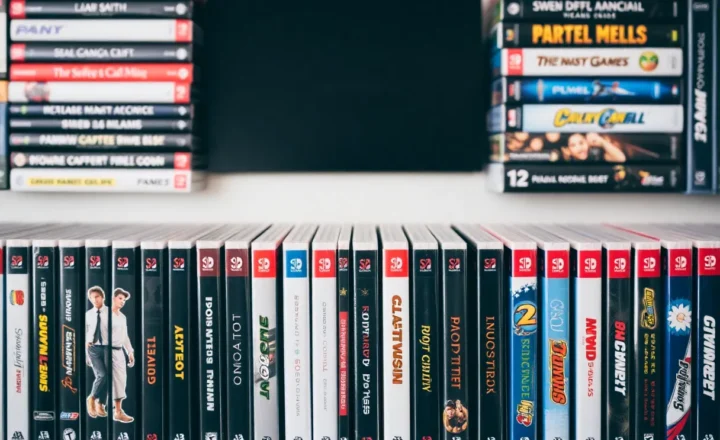
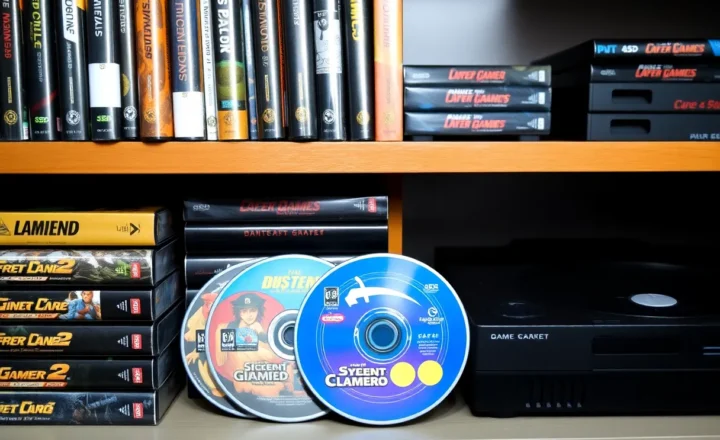
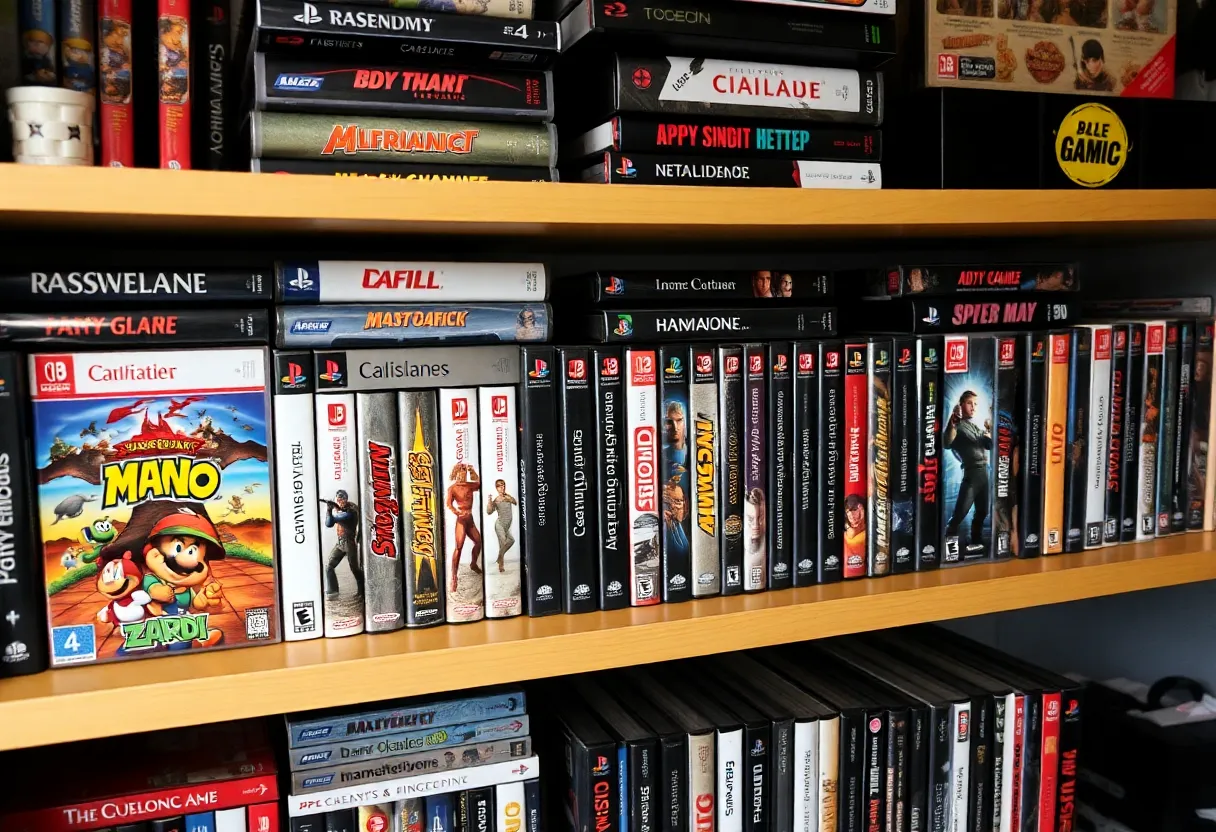
Some people like having a shelf of games—the art, the manuals, the sense of a library. Physical editions often come with extras: maps, artbooks, steelbooks. Digital libraries are invisible until you open the launcher. That might not matter to everyone, but for collectors and anyone who enjoys the object itself, all-digital is a loss. There’s also the ritual of putting in a disc, swapping carts, or browsing a shelf. Small thing, but it’s part of how many people relate to games.
Bandwidth, Storage, and Dependencies
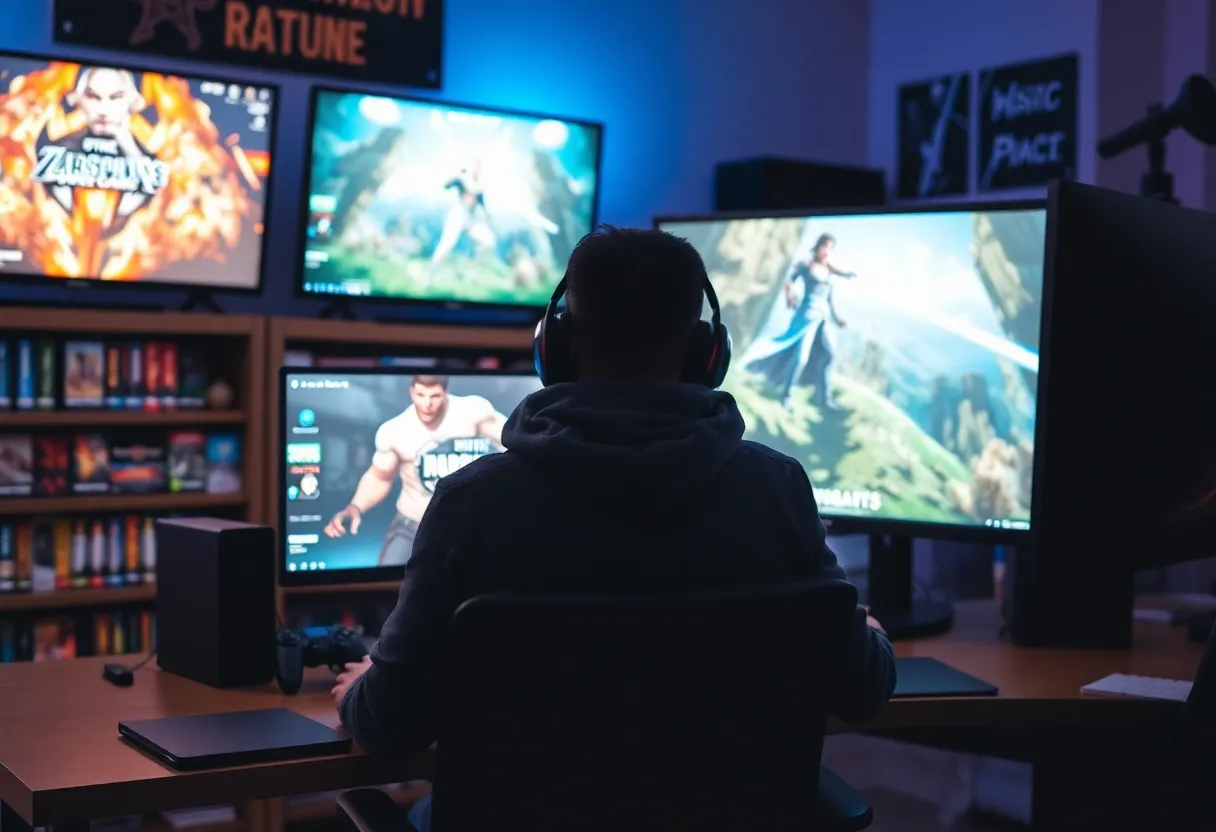
Digital games can be huge. Downloading 50–100 GB for a single title is normal. If your internet is slow or capped, or the servers are slow on launch day, that’s a real cost. You also depend on the platform being up: if the store or authentication is down, you might not be able to play even “your” game. Physical discs don’t always solve this—many now require a large day-one patch—but the disc at least gets you part of the way there. Going all-digital means you’re fully dependent on connectivity and platform availability.
When Digital Wins Anyway
Digital has real advantages: no clutter, no lost or scratched discs, often cheaper sales, and instant access across devices in some ecosystems. For many players, especially on PC where physical PC games are largely gone, the trade-off is already made. The question isn’t “physical or digital?” for everyone—it’s “what am I giving up, and do I care?” If you don’t resell, don’t collect, and trust the platform to stick around, all-digital can be the right call. If you want to own, share, or keep access for the long haul, physical—where it still exists—still has value. Knowing what you lose is the first step to deciding whether it’s worth it.