The Case for Hot-Swappable Keyboard Switches in 2026

Owen Finch
March 7, 2026
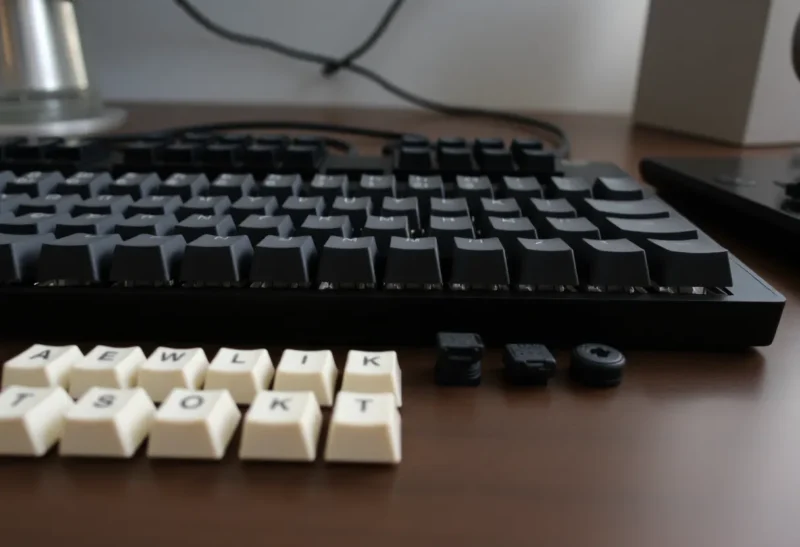
If you’re shopping for a mechanical keyboard in 2026, you’ll see two camps: boards with soldered switches and boards with hot-swap sockets. Soldered keyboards are often a bit cheaper and have a long history in the enthusiast world. Hot-swap boards let you pull out one switch and plug in another in seconds, no soldering iron required. For most people—especially if you’re not sure what switch type you like—hot-swap is the better default. Here’s why.
You Don’t Know What You Like Until You Try It
Switch preference is deeply personal. Linear, tactile, and clicky each have a different feel; within those families, spring weight, travel, and sound vary wildly. Reading descriptions or watching sound tests helps, but the only way to know if you’ll enjoy a switch day in and day out is to type on it. With a soldered board, your first choice is effectively permanent unless you’re willing to desolder dozens of switches. With hot-swap, you can buy a small set of a different switch, pop a few keys in, and test drive them. If you don’t like them, you swap back. No commitment, no damage to the board.
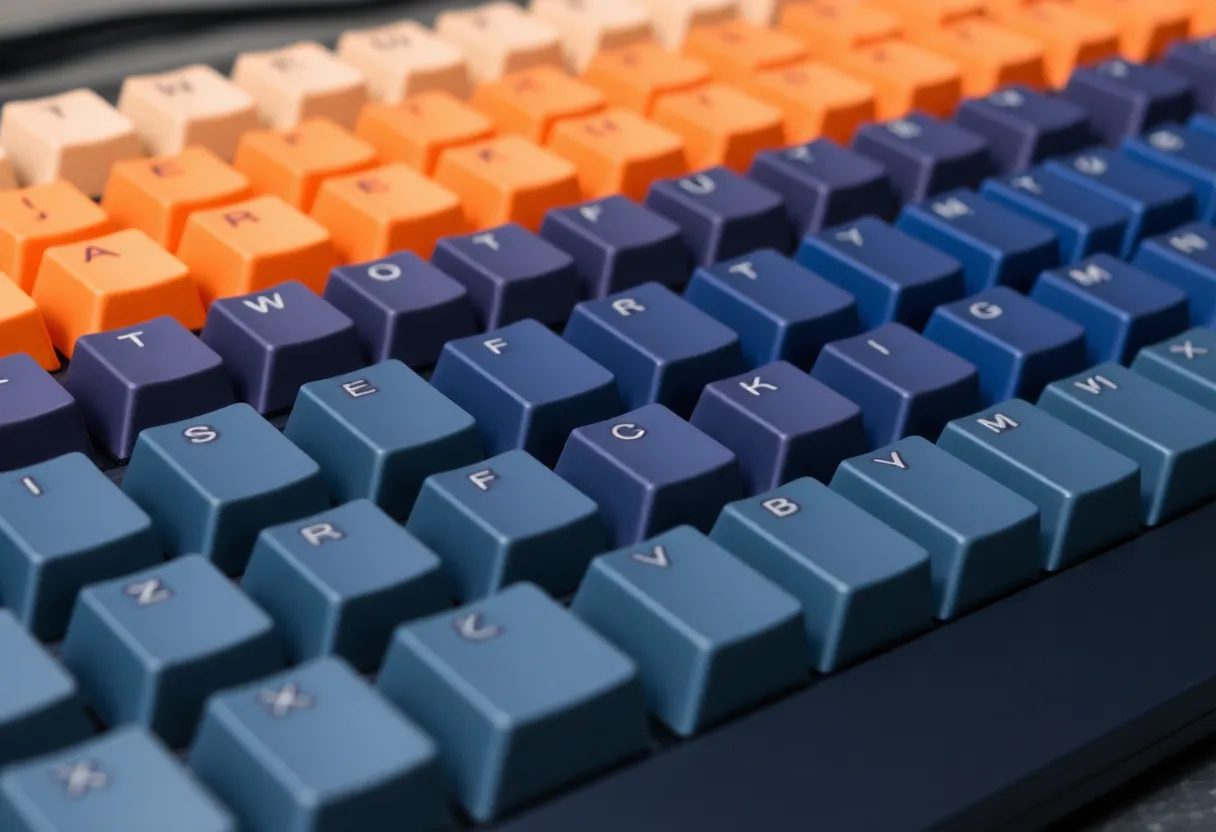
That freedom is especially valuable for your first mechanical keyboard. Many people think they want clicky switches until they use them in an open office; others discover they prefer a light linear after years on tactiles. Hot-swap lets you iterate without buying a whole new keyboard each time.
One Board, Many Configurations
Hot-swap turns a single keyboard into a platform. You can run heavy tactiles on the alphas for typing and lighter linears on the modifiers. You can try a new switch on the number row before committing to a full set. You can replace a single switch that’s started to chatter instead of binning the board or doing a full desolder. For tinkerers, that flexibility is a big part of the hobby. For everyone else, it’s insurance: if your tastes change or a switch fails, you’re not stuck.
That also makes hot-swap boards easier to maintain. Spilled something? Pull the affected switches, clean the board, and put them back (or replace them). Switch started double-registering? Swap it. No need to send the board away or break out the iron.
When Soldered Still Makes Sense
Soldered boards aren’t obsolete. They’re often a bit lighter and can support layouts or PCB designs that don’t accommodate hot-swap sockets. Some enthusiasts prefer the rigidity and “solid” feel of a fully soldered build. If you’ve already tried a bunch of switches and know exactly what you want, and you don’t plan to change, a soldered board can be a clean, long-term choice. But for anyone who’s still exploring—or who wants the option to change their mind—hot-swap is the safer bet.
Durability and Socket Quality
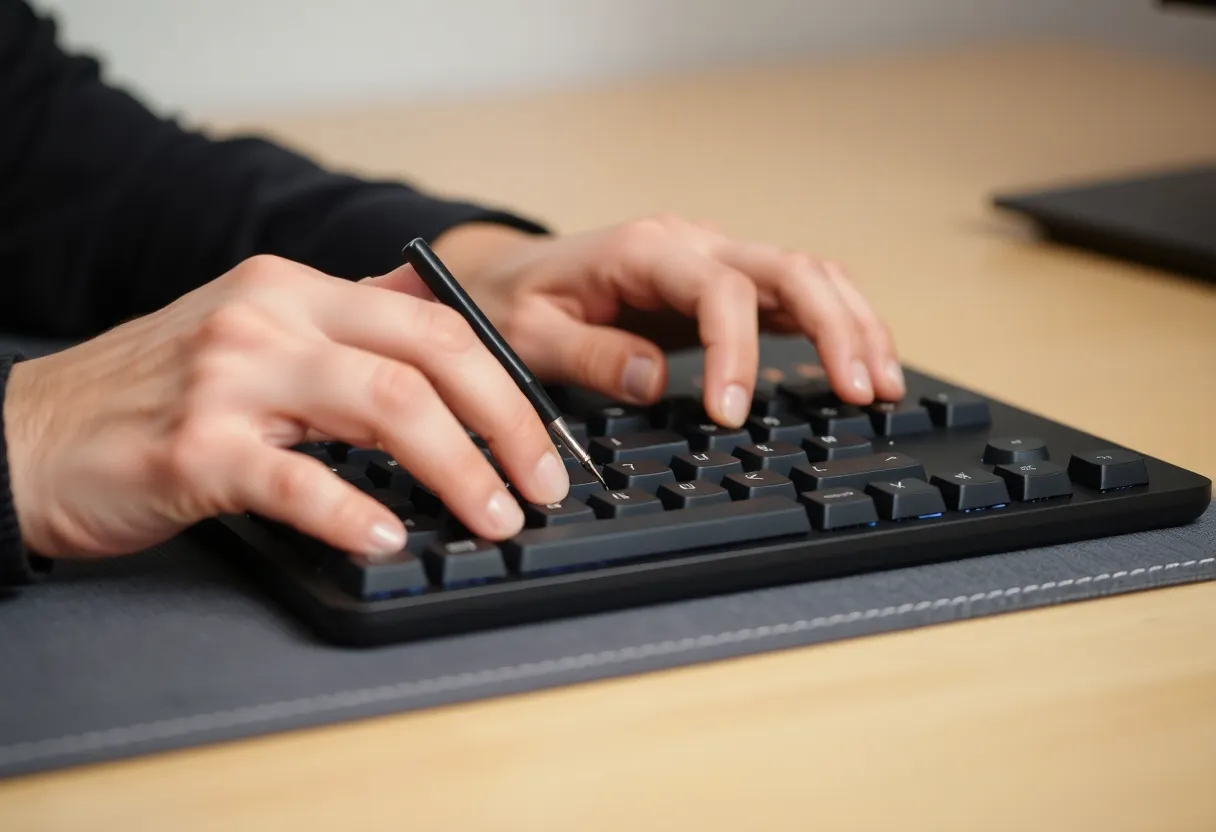
Early hot-swap boards sometimes had issues with sockets loosening or losing contact after many swaps. In 2026, most mainstream hot-swap keyboards use Kailh or Gateron sockets that are rated for hundreds of insertions. As long as you’re not constantly swapping switches every day, durability is rarely a concern. The main thing to watch is that you don’t force a switch in the wrong way—pins can bend—and that you use switches with the correct pin type (3-pin vs 5-pin) for your board. A quick check of the product page or manual avoids most problems.
Cost and Availability
The price gap between hot-swap and soldered boards has narrowed. Plenty of solid hot-swap keyboards sit in the same range as their soldered counterparts, and the feature has trickled down to budget options. You might pay a small premium for hot-swap on some models, but the ability to change switches later often saves money compared to buying a second keyboard when you want a different feel. Switch sample packs and single-switch purchases are easy to find, so experimenting is affordable.
The Bottom Line
Hot-swap adds a little cost and a small amount of complexity to a keyboard, but in return you get the ability to experiment, repair, and reconfigure without soldering. For most people buying a mechanical keyboard today, that trade-off is worth it. If you’re set on one switch forever and you’re comfortable with soldering for repairs, a soldered board is still a valid choice. Otherwise, go hot-swap—you’ll thank yourself the first time you want to try a different switch.