The Case for a Dedicated Tablet When Your Phone Does Everything

Amara Osei
March 15, 2026
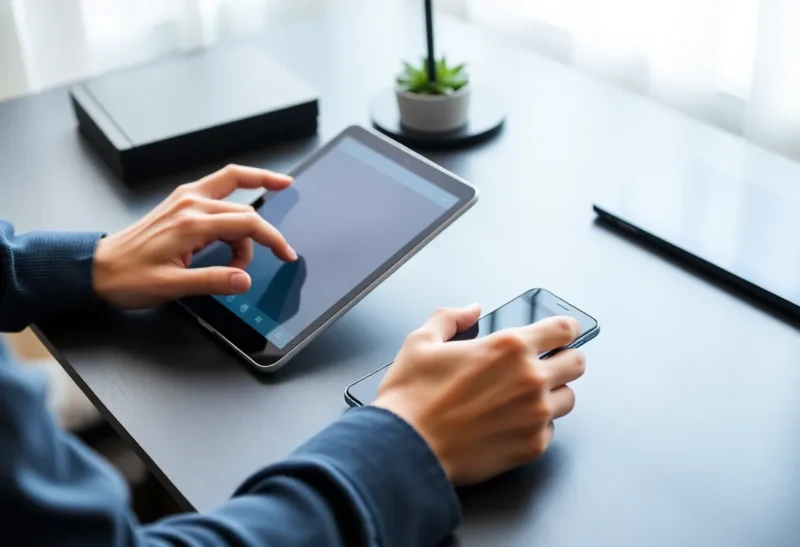
Your phone can browse, stream, take notes, and run almost any app a tablet can. So why would anyone still buy a dedicated tablet in 2026? The answer isn’t about raw capability—it’s about focus, screen real estate, and how your brain works when you’re actually trying to get something done. If you’ve ever tried to read a long article or work through a document on your phone and felt the limits of the small screen and constant pings, you’ve already run into the case for a dedicated tablet.
The “One Device” Dream vs. Reality
Phones have become so powerful that the “one device for everything” idea is tempting. For many people, a flagship smartphone is the only computer they carry. The problem is that “everything” includes notifications, messages, and the constant pull of the pocket. When you sit down to read, study, or create, the same device that’s supposed to help you is also the one that interrupts you. A dedicated tablet, by contrast, can be the device you pick up when you want to focus—no SIM, no default expectation that you’re “on call.” That separation alone is worth something.
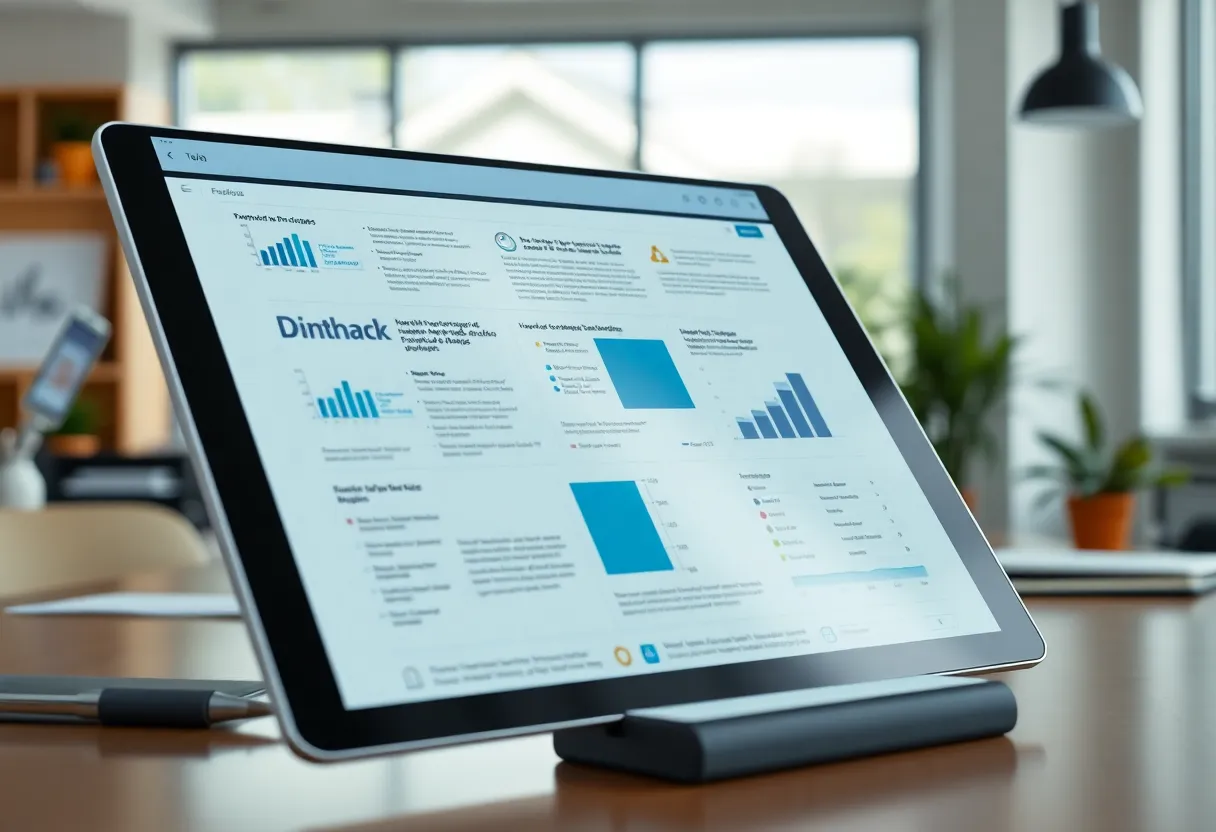
Tablets also offer something phones still can’t: a screen big enough to hold a full page of text, a spreadsheet, or a canvas without constant zooming and panning. For reading long articles, textbooks, or documents, the difference between a 6-inch and a 10-inch display isn’t marginal—it changes how long you can work before eye strain and how much context you keep on screen. If your workflow includes any serious reading or content creation, a tablet isn’t redundant; it’s the right tool for that part of the day.
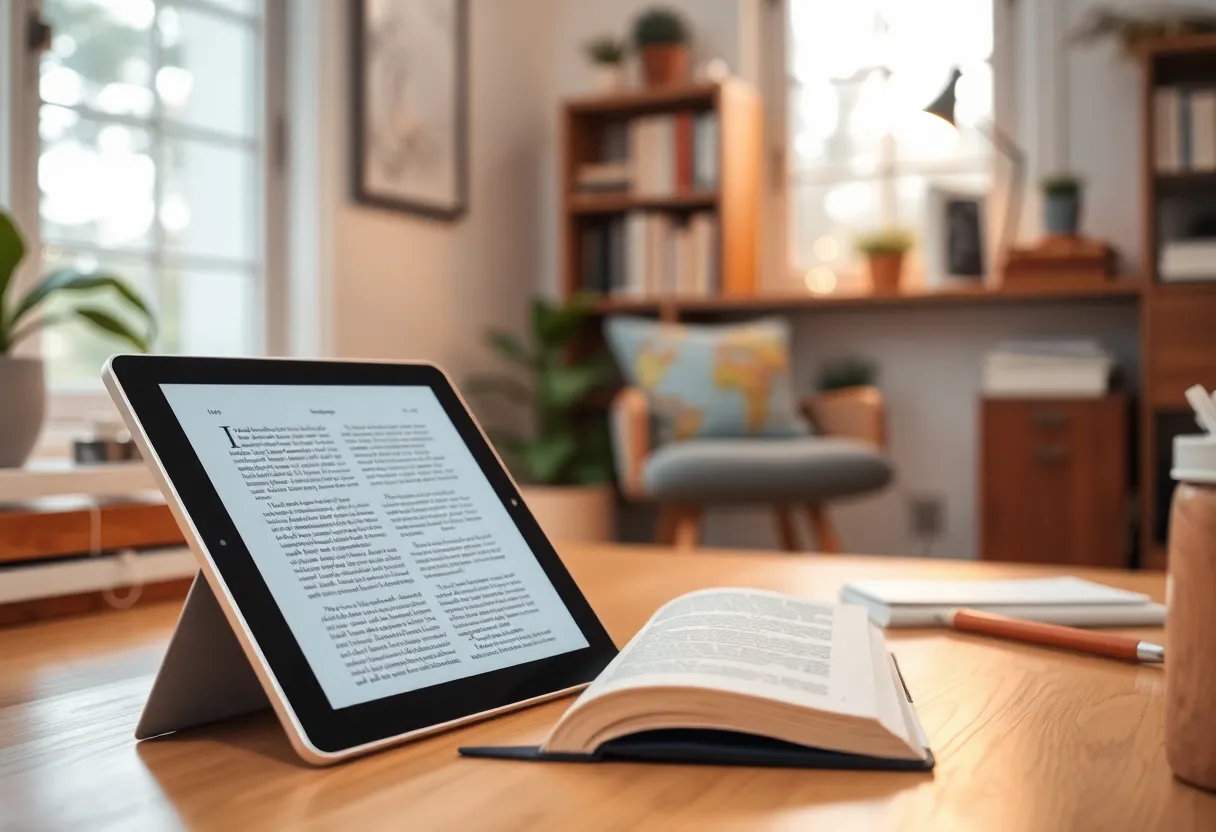
There’s also the question of posture and comfort. Holding a phone for an hour of reading is cramped; propping a tablet on a stand or your lap and reading with both hands free (or one hand turning pages) is a different experience. For video calls, a tablet can sit on a desk and frame you properly without the wobbly phone-on-a-stand setup. These aren’t minor conveniences—they’re the kind of quality-of-life improvements that make you more likely to use the device for the tasks that matter.
When “Good Enough” on the Phone Isn’t
Sure, you can take notes on your phone, sketch on your phone, and even edit video on your phone. But “can” and “should” are different. Note-taking on a small screen means more scrolling, more tapping to correct, and less room to see structure—outlines, mind maps, or side-by-side sources. Tablets give you space to think. The same goes for drawing, design, or any task where you benefit from seeing more at once. Multitasking on a phone is a compromise; on a tablet, split view and slide-over can actually be useful.
Battery life is another angle. When your phone is your communication hub, you’re reluctant to drain it with hours of reading or video. A tablet can be the device you use for media and deep work without worrying that you’ll kill the battery you need for the rest of the day. That mental accounting—“I’d read more, but I need my phone charged”—disappears when you have a second screen dedicated to consumption and creation.
Tablets vs. Laptops: Where a Tablet Fits
You might wonder why not just use a laptop. For many people, a laptop is the primary work machine—keyboard, full OS, multiple windows. But laptops are heavier, noisier, and more “on” than a tablet. A tablet is better for reading in bed, on the couch, or in a waiting room. It’s also often better for quick sketching, handwriting, or markup because of the touch layer and optional stylus. Laptops excel at typing and multitasking; tablets excel at consumption and light creation in contexts where a laptop would be overkill or awkward. The three-device setup—phone, tablet, laptop—isn’t for everyone, but for those who read and create a lot, the tablet fills a gap the phone and laptop don’t.
Who Actually Benefits
Not everyone needs a tablet. If you only check email, scroll social feeds, and take the occasional photo, a phone is enough. The case for a dedicated tablet is strongest for people who regularly do one or more of the following: long-form reading (books, papers, reports), structured note-taking or journaling, content creation (writing, drawing, light video or music work), or media consumption that lasts more than a few minutes. Students, researchers, writers, and anyone who spends real time in documents or books will get more out of a tablet than someone who doesn’t.
Cost is a real consideration. A good tablet isn’t cheap, and it’s another device to maintain and secure. But if you’ve been forcing reading and creation onto your phone and feeling the limits, the upgrade isn’t frivolous—it’s choosing the right form factor for the job. Budget options exist; you don’t have to buy the most expensive model. The point is that “my phone does everything” can be true in theory and still wrong in practice for how you actually work and relax.
Ecosystem and Workflow
If you’re already in an ecosystem—Apple, Android, or even something like reMarkable—a tablet can slot in without adding much complexity. Handoff, shared clipboards, and cloud sync mean the tablet doesn’t have to be an island; it can be the big-screen extension of your workflow when you’re at a desk or on the couch. The phone stays in your pocket for calls and quick checks; the tablet is what you open when you have twenty minutes or an hour to focus.
That’s the real case for a dedicated tablet in 2026: not that your phone can’t do the tasks, but that a device built for a larger canvas and for focus can do them better. If you’ve been telling yourself you don’t need one because your phone is enough, it’s worth asking whether you’re optimizing for minimalism or for how you actually think and work. Sometimes the right move is one more device—used intentionally. Tablets have survived the “why not just use your phone?” question for over a decade because the answer keeps coming back: screen size, focus, and the right form factor for reading and creating still matter. Your phone does everything—but that doesn’t mean it does everything well.
The Bottom Line
Phones are incredible all-rounders. For focused reading, note-taking, and creation, a dedicated tablet still has a place. It’s about screen size, battery peace of mind, and the mental separation of “focus device” vs. “everything device.” If that resonates with how you work, a tablet isn’t redundant—it’s the right tool for the job.