The Case for a Dedicated E-Reader When Tablets Do Everything

Kristen Hayes
March 7, 2026
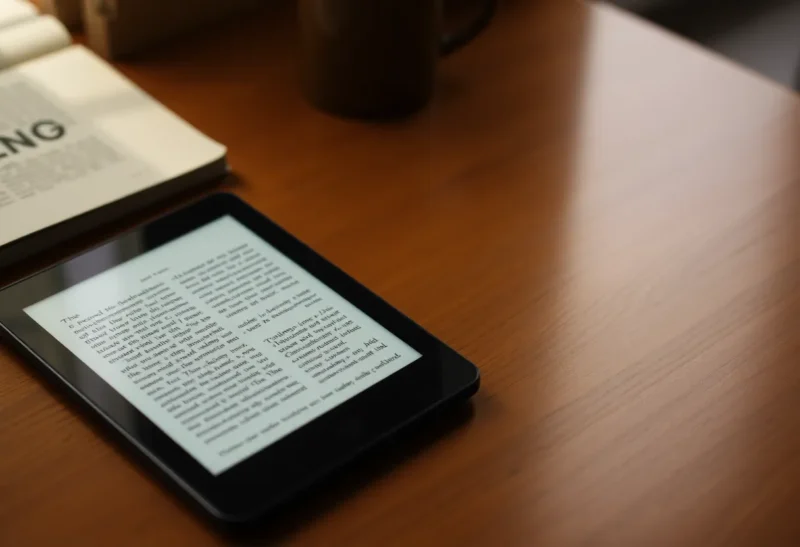
A tablet can run Kindle, Libby, Google Play Books, and a dozen other reading apps. It has a bigger screen, more storage, and does email, video, and games too. So why would anyone buy a dedicated e-reader in 2026? The answer isn’t about features. It’s about constraints. A device that does one thing well—and nothing else—can be more valuable than a device that does everything. Here’s the case for the humble e-reader.
The Distraction Problem
Every time you pick up a tablet to read, you’re one tap away from everything else. Email, Slack, Twitter, YouTube. The same device that holds your book also holds your obligations and your rabbit holes. For many people, that’s fatal. You open the Kindle app with good intentions. A notification appears. You switch. Twenty minutes later, you’ve forgotten you were reading. The tablet is optimized for engagement, not immersion. Reading benefits from the opposite.
E-readers are boring by design. No notifications. No apps. No browser worth using. You open it, you read, you close it. The lack of options is the feature. There’s nothing to do except read. For people who struggle with attention—and that’s most of us—a dedicated e-reader removes the choice. You don’t have to resist the urge to check something. The device doesn’t offer the option.
Eye Comfort and Battery Life
E-ink displays reflect light like paper. They don’t emit it. No blue light, no flicker, no backlight blast at 2 a.m. You can read in bright sun without glare, or in dim light with a front light that illuminates the surface rather than your eyes. For long reading sessions, e-ink is gentler. Tablets use LCD or OLED—great for video and web, but harsher for sustained reading. If you read for hours, the difference matters.
Battery life is the other win. An e-reader can run for weeks on a charge because the screen only draws power when it changes. A tablet drains in a day or two. For travel, bedside reading, or “leave it in my bag and forget about it” use, e-readers are far more forgiving. You don’t have to think about charging. You just read.
The Single-Purpose Advantage
Devices that do one thing often do it better. E-readers are lighter than tablets. They’re cheaper. They fit in a jacket pocket. They’re less valuable to steal. You can take one to the beach, the pool, or the bath (with a waterproof model) without worrying about a $1,000 iPad. They’re disposable in the best sense: tools that disappear into the task.
Tablets are generalists. They’re optimized for media consumption, web browsing, and light productivity. Reading is one app among many. E-readers are specialists. The software, the form factor, and the display are all tuned for books. Page turns are instant. Typography is refined. Dictionary lookups are one tap. The reading experience is simply better on a device built for it.

When a Tablet Makes Sense
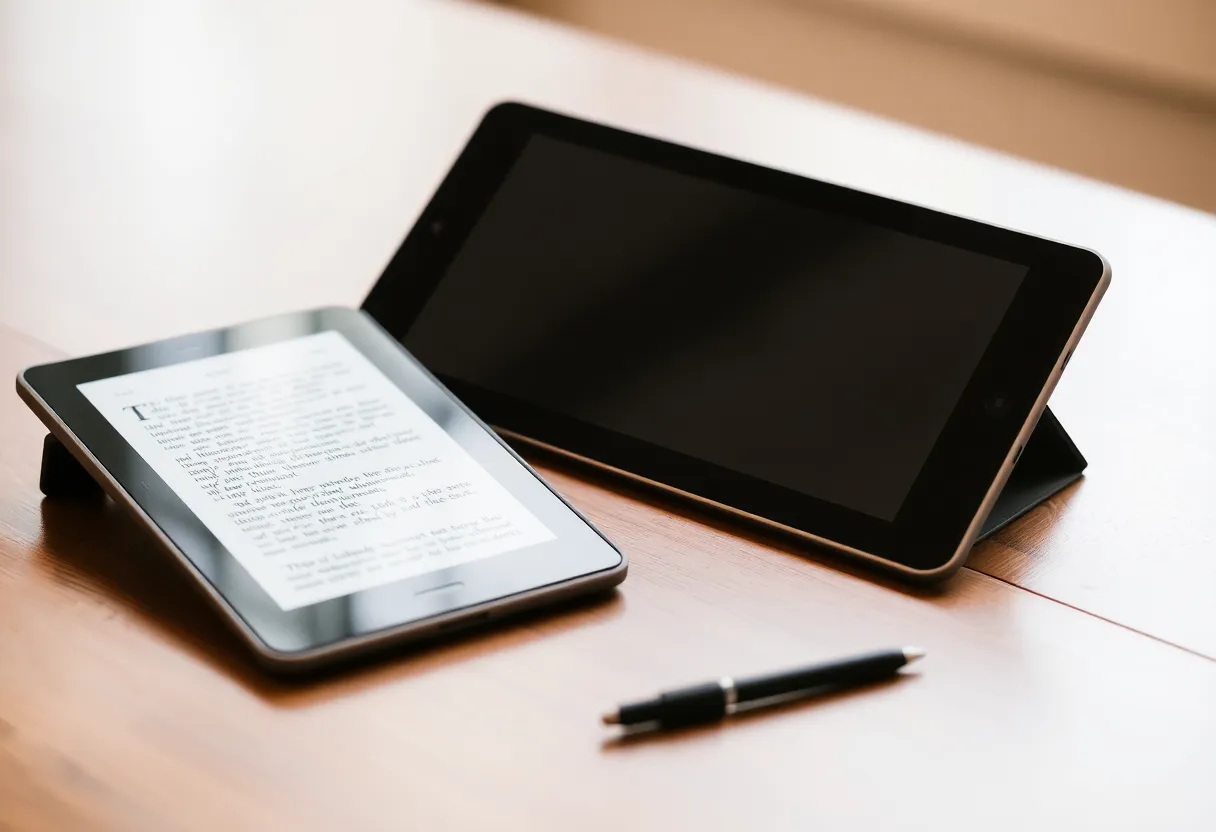
If you read mostly PDFs, comics, or textbooks with color diagrams, a tablet is the better choice. E-ink handles those poorly. If you need one device for travel and reading is a small part of the mix, a tablet is more versatile. If you’re disciplined and never get distracted, a tablet is fine. The e-reader argument is for everyone else: people who want to read more, read longer, and read without the tug of everything else.
The Bottom Line
Tablets can do everything. E-readers do one thing. For reading, that constraint is an advantage. Less distraction, better eye comfort, longer battery, lower cost. If your tablet has become a reading device that rarely gets used for books, a $100–150 e-reader might be the best reading upgrade you can make. Sometimes less is more.