The Case for a Dedicated Camera When Your Phone Has 200MP

Finn Mercer
March 15, 2026
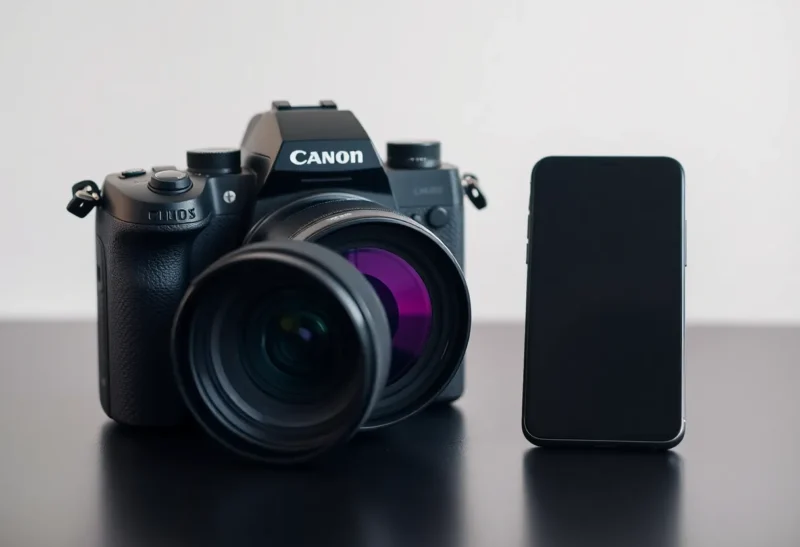
Phone cameras keep getting more megapixels—200MP sensors are here, and computational photography makes every shot look polished. So why would anyone still carry a dedicated camera? Because megapixels and processing don’t replace sensor size, optics, and control. The case for a dedicated camera when your phone has 200MP isn’t about nostalgia; it’s about what you can’t get from a tiny lens and a chip no matter how clever the software is.
Sensor Size Still Matters
A phone sensor is tiny—a fraction of the size of even an entry-level mirrorless or DSLR sensor. More megapixels on that small sensor mean smaller pixels, which means more noise in low light and less dynamic range. Computational HDR and night mode help, but they’re compensating for a physical limit. A dedicated camera with a larger sensor captures more light per pixel and gives you cleaner files and more room to edit. For anything beyond bright daylight or social snaps, the gap is real. 200MP on a phone is impressive; it’s still 200MP on a sensor the size of your fingernail.
Optics and Shallow Depth of Field
Phone cameras use very short focal lengths and small apertures. To get background blur, they rely on software—portrait mode and simulated bokeh. It works for faces and close-ups, but it’s not the same as a fast lens on a big sensor. A dedicated camera with a 50mm f/1.8 or similar gives you real optical depth of field, natural bokeh, and the ability to isolate a subject in a way that software can’t quite match. If you care about that look—for portraits, product shots, or creative control—a real lens wins.
Control and Workflow
Dedicated cameras give you manual control: shutter speed, aperture, ISO, and raw files that preserve the full capture for editing. Phones are getting better at raw and manual modes, but the interface and flexibility are still aimed at point-and-shoot. For serious stills or video, a camera body built for it—with dials, custom settings, and a workflow that doesn’t depend on a touchscreen—is faster and more predictable. And if you shoot a lot, the ergonomics and battery life of a dedicated camera often beat a phone that’s also your communicator and browser.
When the Phone Is Enough
For most people, most of the time, the phone is enough. Travel, events, and casual shots benefit from having a great camera in your pocket. 200MP and computational photography have closed the gap for a huge range of uses. The case for a dedicated camera is for people who want more: low-light performance, real depth of field, raw workflow, or the feel of shooting with a proper tool. It’s not that the phone is bad—it’s that the dedicated camera does things the phone still can’t. If you’re in that second group, 200MP on the phone doesn’t obsolete the camera; it just makes the choice clearer. Your phone is the best pocket camera ever. The dedicated camera is for when you want more than a pocket can hold.