Self-Hosting Uptime Kuma vs Healthchecks.io: Honest Trade-offs for Solo Builders

Tobias Mensah
April 7, 2026
If you run a handful of personal services—blogs, APIs, backup jobs, tiny SaaS sidecars—you eventually face the monitoring paradox: the thing that tells you other things are down must not go down with them. Uptime Kuma and Healthchecks.io (self-hosted or paid hosted) are two popular answers with opposite centers of gravity. One wants to ping your world from the outside; the other wants your world to ping it when work completes.
This comparison is for solo builders who do not need an enterprise APM bill—just honest signals and fewer false positives.
Uptime Kuma in one breath
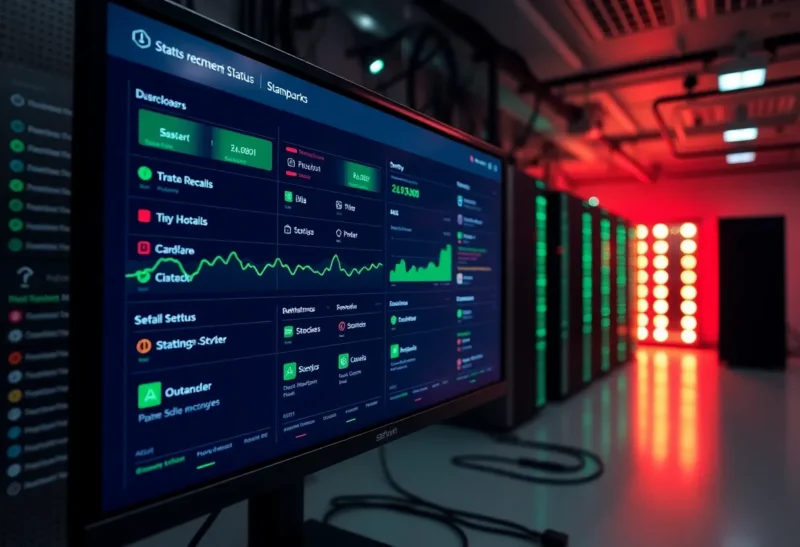
Uptime Kuma is a polished, self-hosted status dashboard. It actively probes HTTP(S), TCP, DNS, and more, then renders pretty pages, notifications, and history charts. It feels like the monitoring tool you would have written on a weekend if you had infinite design patience.
Healthchecks.io in one breath
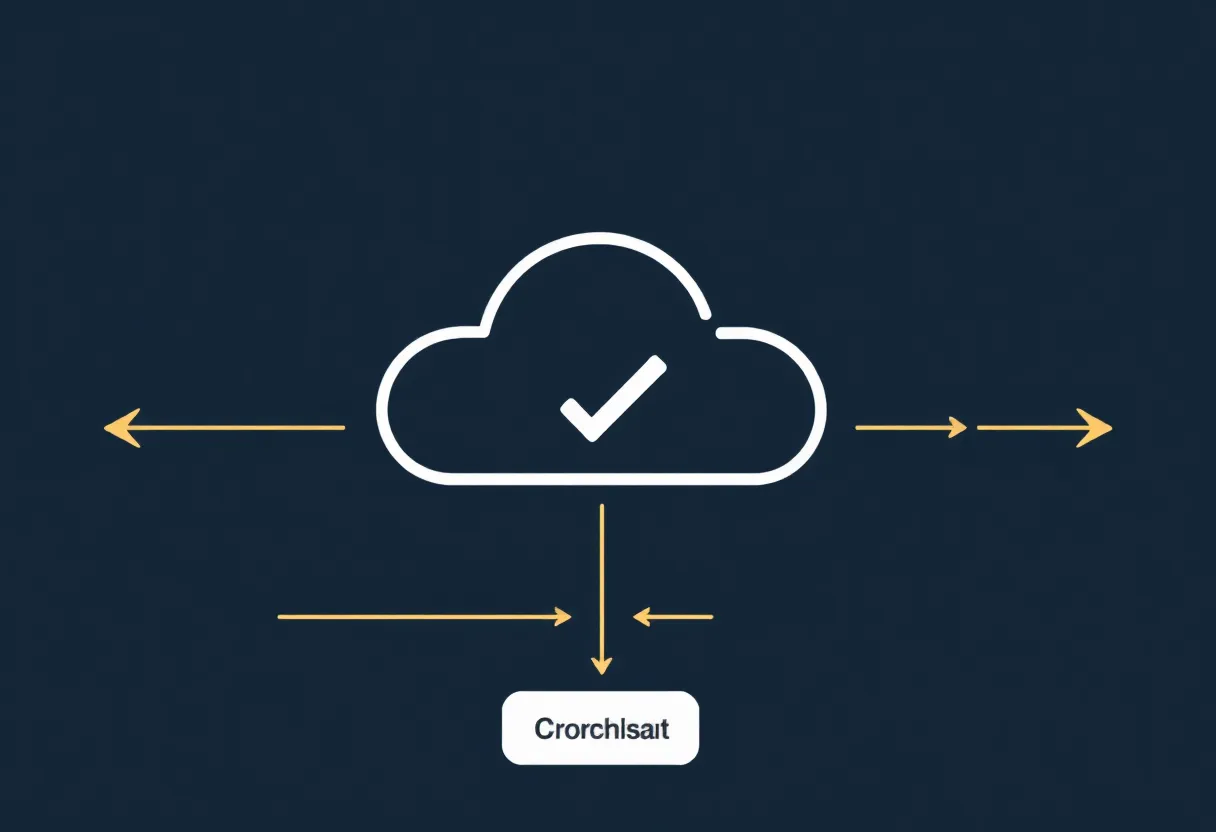
Healthchecks focuses on dead man’s switches for cron jobs and periodic tasks. Your backup script ends with a curl to a unique URL; if the ping misses a schedule, you get alerted. Self-hosting the open-source edition is common among homelabbers who want the same model without SaaS dependency.

What each is uniquely good at
Uptime Kuma excels when failures look like “site unreachable” or “TLS broke.” It is customer-centric: mimics what a browser experiences. It is also easy to show stakeholders a public status page.
Healthchecks excels when failures look like “the job never ran” or “it hung forever.” Silent automation death is invisible to external pings—your site can be up while backups stopped three weeks ago.
The blind spots
Kuma can green-light a service that returns 200 OK with empty data if you do not add semantic checks. Healthchecks can miss performance degradation—your job might ping success while taking six hours and corrupting data.
Operational trade-offs for solo operators
- Hosting Kuma off-site (cheap VPS) separates failure domains; hosting it on the same box it monitors is convenient and fragile.
- Self-hosted Healthchecks needs the same discipline: if the checker dies, you need an outside observer eventually.
- Alert fatigue hits both if intervals are too aggressive or networks flap.
A sane combo
Many builders run both: Kuma for edge reachability, Healthchecks for cron and queue workers. The overlap is small; the peace of mind is large.
Choosing if you refuse to run two systems
Pick Kuma if public uptime is your primary risk. Pick Healthchecks if automation reliability is. If you truly need only one, you are probably underestimating one class of failure—or you are lucky.
Notification channels and escalation
Both ecosystems integrate with Telegram, email, Slack, Discord, and generic webhooks. The difference is psychological: Kuma alerts often mean “customers might see this now,” while Healthchecks alerts mean “data integrity may already be compromised.” Tune severities accordingly—duplicate SMS for both breeds ignore rules. For solo operators, route Kuma to a noisy channel you check daily and Healthchecks failures to something harder to miss.
Maintenance burden and upgrades
Docker Compose deployments dominate homelab installs. Budget time for image updates, database backups of monitor configuration, and occasional breaking changes in notification adapters. Healthchecks’ schema is simpler; Kuma’s UI richness carries more moving parts. Neither is onerous at small scale, but pretending they are zero-maintenance causes rot when TLS roots expire on old containers.
Semantic checks beyond HTTP 200
Kuma supports keyword checks and status-code rules—use them. A green check on a blank error page is worse than no monitor because it breeds false confidence. For APIs, point probes at health endpoints that validate dependencies, not static marketing pages.
Grace periods and flaky jobs
Healthchecks shines when you configure grace times and job-specific schedules. Backup jobs that occasionally overrun need wider windows; sub-minute cron should not. Document why each window exists—future you will otherwise widen everything until alerts mean nothing.
Security posture
Unique ping URLs are secrets; treat leaked URLs like API keys. Put self-hosted dashboards behind SSO or VPN where feasible. Public status pages are great for users but expose topology—balance transparency with operational privacy.
Cost stacking vs time stacking
Hosted Healthchecks plans save maintenance minutes; a tiny VPS for Kuma costs coffee money monthly. Solo builders often mix: self-host Kuma on a separate provider for independence, pay for hosted pings if outbound mail deliverability matters. There is no moral purity—only whether you are trading dollars for hours sanely.
Conclusion
Uptime Kuma and Healthchecks answer different questions. External probes catch network and service outages; heartbeat monitors catch jobs that slip away quietly. Solo builders in 2026 usually end up with both layers—or regret skipping one the first time a backup job stops silently while the website smiles green.