Pocket E-Ink in Sunlight vs a Phone: When the Nomad Still Loses to a Lock Screen

Clare Voss
September 22, 2026
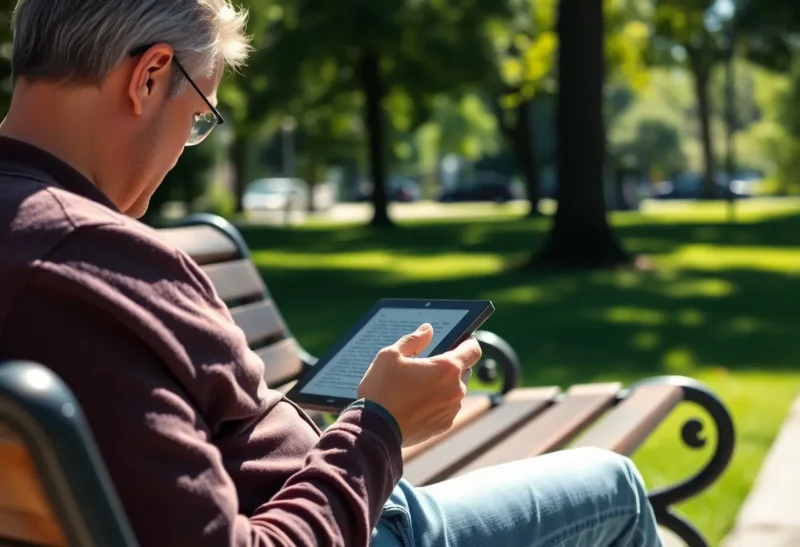
E-ink sells itself in sunlight. The park bench demo is real: a phone becomes a black mirror while a pocket tablet stays readable. Then you buy a Supernote Nomad (or a Palma-class phone-shaped reader), take it outside, and still find yourself unlocking the phone you swore you would leave alone. The screen was never the only contest.
This is not Nomad versus Palma. That comparison is about which pocket e-ink slab to carry. This is pocket e-ink versus the phone you already have—specifically the moments when sunlight favors e-ink and habit still awards the lock screen.
If you only optimize for luminance, you will be confused by your own behavior. Optimize for the job that wins in the first five seconds after the urge to read appears.
Where sunlight actually decides
E-ink wins hard when:
- you are outdoors for a stretch—park, balcony, beach, stadium queue
- the content is already on the device (sideloaded book, synced article pack)
- you want long-form without OLED squint and battery anxiety
- notifications are the enemy, not the product
Phones lose outdoors not because engineers are cruel, but because emissive screens fight the sun. Even bright OLEDs wash out; brightness drains; automatic modes misbehave under trees and then in open glare. Pocket e-ink’s reflective trick is the correct physics lesson.
So why does the Nomad still lose?

The lock screen is a content router
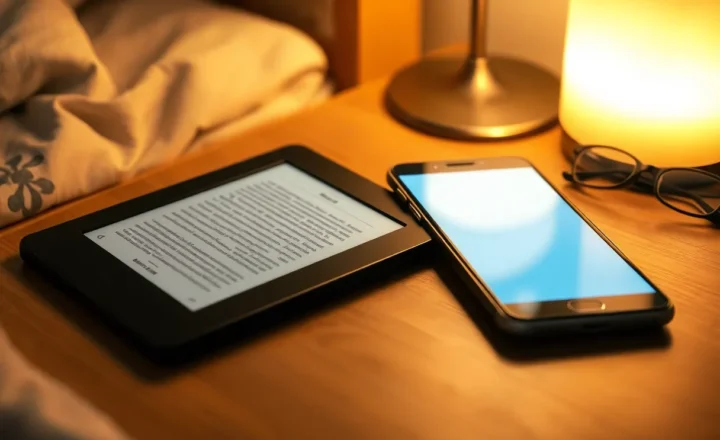
Your phone lock screen is not merely a clock. It is a triage desk: messages, maps, boarding passes, authentication prompts, “quick look something up,” camera, payments. Reading is one tile in a larger habit loop. Pocket e-ink is optimized for the reading tile alone.
In sunlight, the reading tile wants e-ink. The triage desk still wants the phone. If your outdoor minute is “read a chapter,” Nomad wins. If your outdoor minute is “read a chapter unless anything else pings,” the phone wins by default—even when it looks worse.
People underestimate how often “reading” is interrupted by micro-jobs that only the phone can do. E-ink does not lose the sunlight contest. It loses the role contest.
Friction in the first five seconds
Carry two devices and you introduce a decision. Decisions cost. The phone is already in the hand that reached for a pocket. The Nomad requires a second grab, a power button, maybe a cover, maybe a sync you forgot to run before leaving Wi-Fi.
Phone lock-screen reading (Kindle app, browser article, newsletter screenshot) is ugly outdoors and unbeatable on latency. Nomad reading is beautiful outdoors and loses when the article is still trapped in a tab you never sent to the device.
Pipeline beats panel. If your capture path to e-ink is weak—no Readwise/Instapaper/email-to-device habit, no nightly sync—the Nomad becomes a sunny-day museum piece.

When the Nomad still wins (and you should force the issue)
Force pocket e-ink when the outing’s purpose is reading:
- commuter trains with harsh window light
- lunch breaks you want protected from chat
- travel days where phone battery must stay for logistics
- eye-strain contexts where you already know phone chapters stall
Tactics that help e-ink win the five-second race:
- keep the Nomad in the same pocket every day so reach is automatic
- pre-load more than you think you will read
- airplane-mode the phone or leave it in a bag during the dedicated reading block
- use the phone as camera/payment only after the chapter goal
Without a ritual, sunlight demos do not become lifestyle.
Content types that secretly prefer the phone
Comics with color, PDFs that need pinch-zoom gymnastics, web apps that are not “articles,” and anything gated behind a login wall that your e-ink browser handles poorly—these keep winning on phones even in glare. Pocket e-ink is extraordinary at novels, essays, and cleaned article captures. It is ordinary at the rest of the mobile web.
If half your “reading” is actually app content, buy less e-ink mythology and more focus settings. If half your reading is books and long essays, sunlight plus e-ink is not a gimmick; it is the correct tool—once the files are there.
When the phone should win without guilt
Let the lock screen win when:
- you need live pages, maps, or two-factor prompts interleaved with reading
- the “book” is actually a chat thread or a docs comment
- you are standing in a queue for three minutes, not settling in for thirty
- you refuse to carry a second device and will resent the Nomad’s bulk
Guilt is a bad purchasing advisor. A phone that is slightly worse in sun but always present will out-read a perfect panel left at home.
Sunlight, posture, and the honesty check
Do a week of logging—not vibes:
- Each time you read outdoors, note device and duration.
- Note whether you switched devices mid-session and why.
- Note whether the content was available on both.
If the Nomad only wins on weekends in parks, buy it as a park device—or skip it and improve phone shade/brightness strategy. If the Nomad wins every lunch when it is charged and loaded, invest in the sync pipeline hard.
Many returns happen because buyers expected the panel’s physics to rewrite their notification addiction. Panels do not perform exorcisms.
Weight, pocket shape, and social awkwardness
A phone already has a social license to appear anywhere. Pulling out a dedicated e-ink slab can feel like producing a prop. Some people love that signal—“I am reading.” Others hate looking precious in a coffee line. If social friction makes you leave the Nomad at home, sunlight performance is irrelevant.
Weight compounds that. Phone plus Nomad plus keys is real pocket politics. Bag carry changes the math; skinny jeans do not. Be honest about the clothes you wear on the walks where you hoped to read.
Pocket e-ink’s other advantages (that still lose to habit)
Beyond sun: less blue-light drama at dusk, less “one more reel” gravity, better sustained chapter focus. Those matter indoors too. Yet indoors the phone’s screen is “good enough,” so e-ink’s focus advantage has to beat convenience without help from glare. That is a harder sell—which is why sunlight marketing leads. Believe the focus story only if you have already felt phone chapters stall.
A practical chooser
- Outdoor long-form is a real weekly habit + you will sync content: pocket e-ink earns its keep; Nomad-class devices make sense.
- Outdoor long-form is aspirational: keep the phone; use system focus modes; revisit e-ink after the habit exists.
- You need one device for travel chaos: phone wins; accept squinting or seek shade.
- You hate carrying two things: do not buy a third rectangle for a problem that is behavioral.
- You already carry a bag: e-ink’s pocket penalty shrinks; sunlight wins more often.
The Nomad can beat a phone in sunlight and still lose to a lock screen that routes your life. Buy pocket e-ink when you will feed it content and protect reading blocks. Otherwise the brightest reflective screen in your bag is still less powerful than the glowing slab that already knows your next interruption.
Sunlight is the demo. Habit is the product test. Let the week’s outdoor minutes decide—not the five minutes you spent comparing outdoor readability in a store aisle while your phone buzzed in the other hand.
If those outdoor minutes keep going to the lock screen even after you own e-ink, the fix is rarely a different e-ink brand. The fix is fewer unread tabs trapped on the phone, a boring sync ritual, and one daily window where the phone is not allowed to be the book. Do that, and the Nomad’s sunlight advantage finally gets to show up as pages finished—not as a panel you admire while you scroll.
Carry the device that matches the minutes you actually protect. Sunlight will take care of the rest.