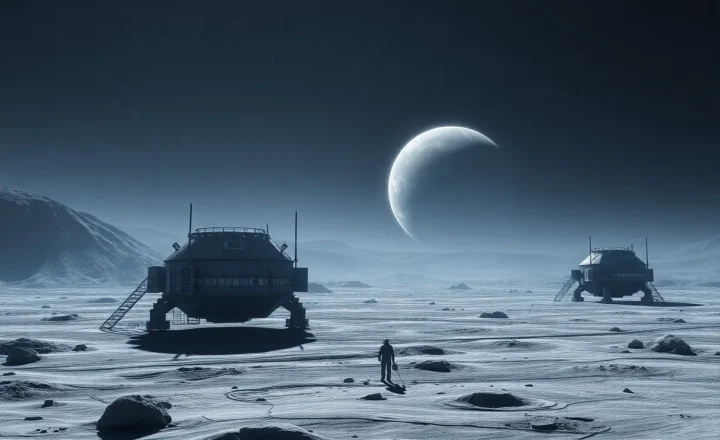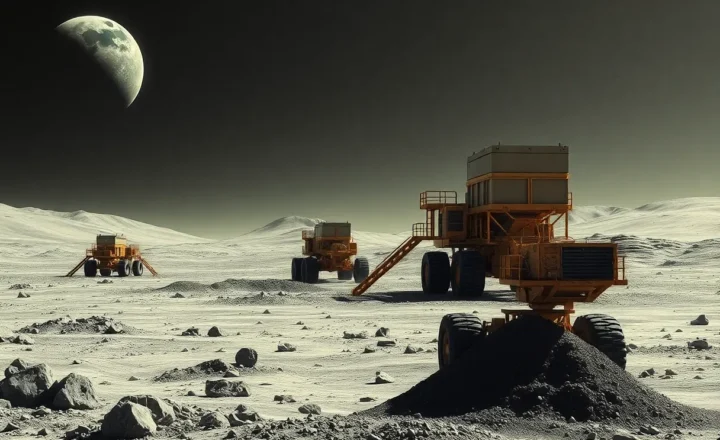
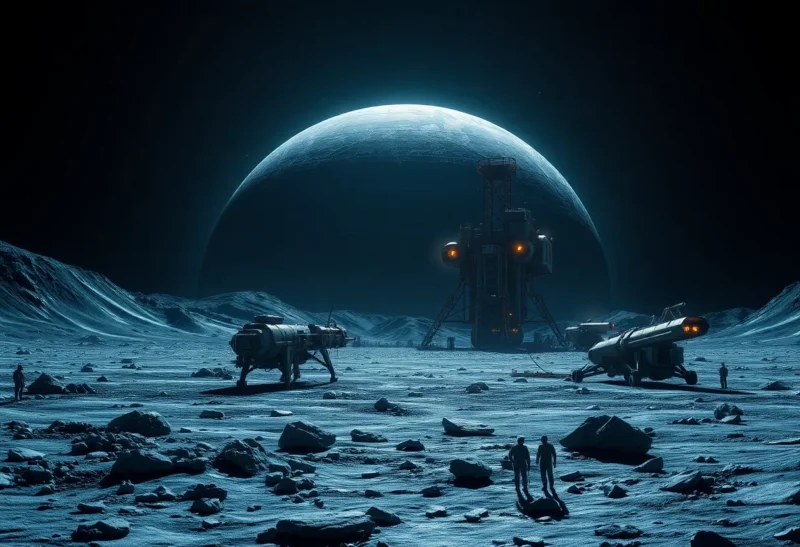
Lunar mining used to sound like science fiction: digging on the Moon for water ice, helium-3, or metals to build in space. Today, NASA’s Artemis program, commercial landers, and a growing list of space agencies and companies are putting hardware on the Moon. The economics are still uncertain, but the timeline is no longer “someday”—it’s the next decade or two. Here’s why lunar mining is closer than you think.
What’s Actually on the Moon
The Moon has resources that matter for both lunar operations and long-term space economy. Water ice at the poles (in shadowed craters) could be split into hydrogen and oxygen for rocket propellant—meaning you could refuel in orbit or on the Moon instead of lifting every kilogram from Earth. Helium-3, rare on Earth but more abundant in lunar regolith, is often cited as a potential fusion fuel. The regolith itself contains metals and oxygen that could be extracted for local construction and life support. None of this is speculative geology; we’ve seen the data from orbiters and samples. The open question has always been cost: getting there, landing, and processing at scale.
What’s changed is that getting there is getting cheaper and more frequent. Commercial landers (like those from Intuitive Machines, Astrobotic, and others) are proving that private companies can deliver payloads to the lunar surface. NASA’s Commercial Lunar Payload Services (CLPS) program is buying those deliveries instead of building everything in-house. So the “first mile” of lunar logistics is already being built. The next step is to land equipment that can demonstrate extraction—even at small scale—and that’s where mining comes in.
Who’s Building Toward It
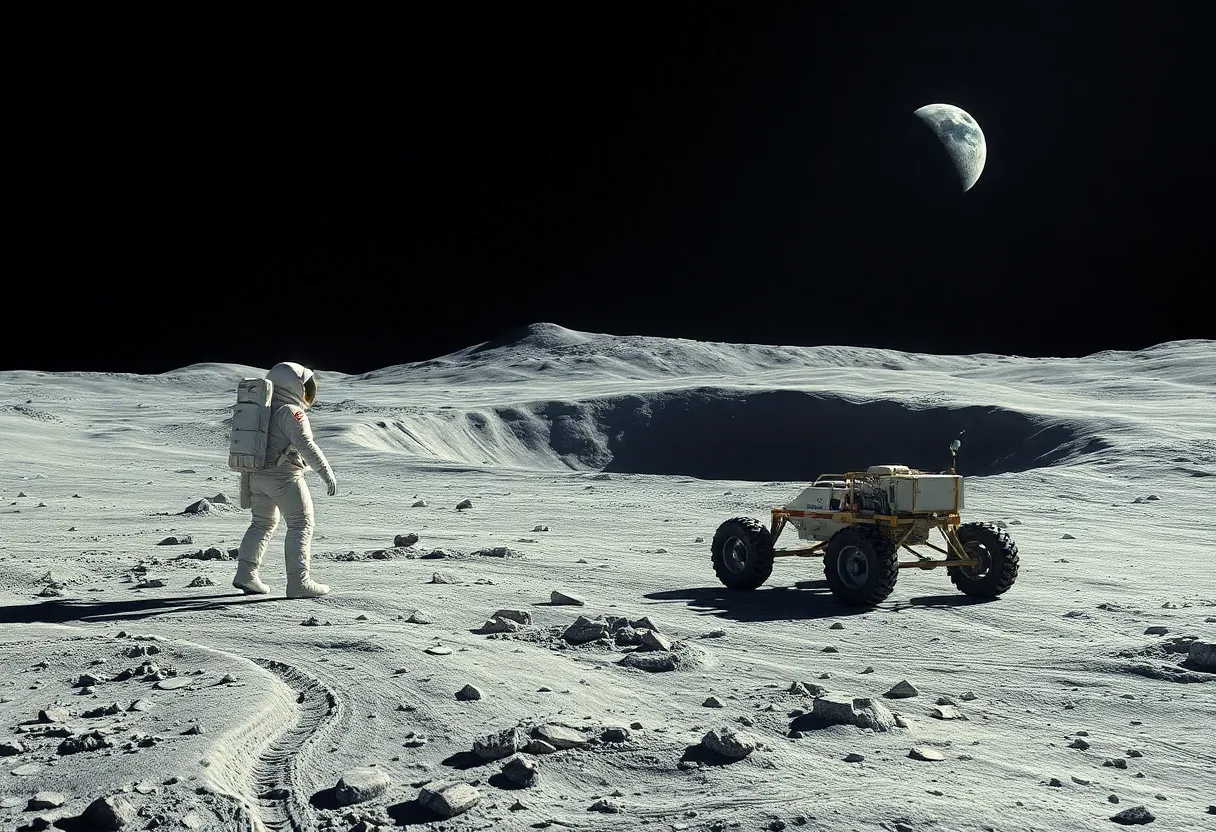
NASA’s Artemis program aims for a sustained human presence on the Moon, with the Lunar Gateway, surface habitats, and eventually Mars as a horizon. That architecture assumes some degree of “in-situ resource utilization” (ISRU)—using what’s on the Moon instead of shipping everything. So NASA and partners are funding experiments in water extraction, oxygen production from regolith, and construction techniques. Other countries are in the game too: China has landed and roved on the Moon multiple times and has stated goals for lunar resource use; ESA and others have their own roadmaps.
Private companies are also betting on it. Startups and established aerospace firms are developing rovers, drills, and processing systems designed for the lunar environment. The business case today is partly government contracts and partly the belief that once the infrastructure exists—landers, power, communications—mining and refining will become the next layer. It’s a classic “build the railroad and the towns follow” dynamic: the railroad (access to the Moon) is being built now.
Why the Timeline Is Shortening
Three things have shifted. First, launch costs have dropped. Heavy-lift rockets and ride-share missions make it feasible to send more payloads per dollar. Second, robotics and autonomy have improved—you don’t need astronauts to turn every bolt; rovers and landers can do a lot on their own. Third, there’s real money and policy behind it: NASA’s committed to Artemis, commercial partners have contracts, and the political will (at least in the US) has been to push lunar return. So the 2030s are no longer “if” but “how much”—and mining demonstrations are part of that.
That doesn’t mean lunar mining will be profitable overnight. The first phases will be proof-of-concept: extract a bit of water, produce a bit of oxygen, show that the tech works in the right environment. Scaling up to supply propellant depots or build large structures is a later step. But “closer than you think” doesn’t mean “easy”—it means the gap between today and the first real lunar resource use is measured in years, not decades.
The Sticking Points
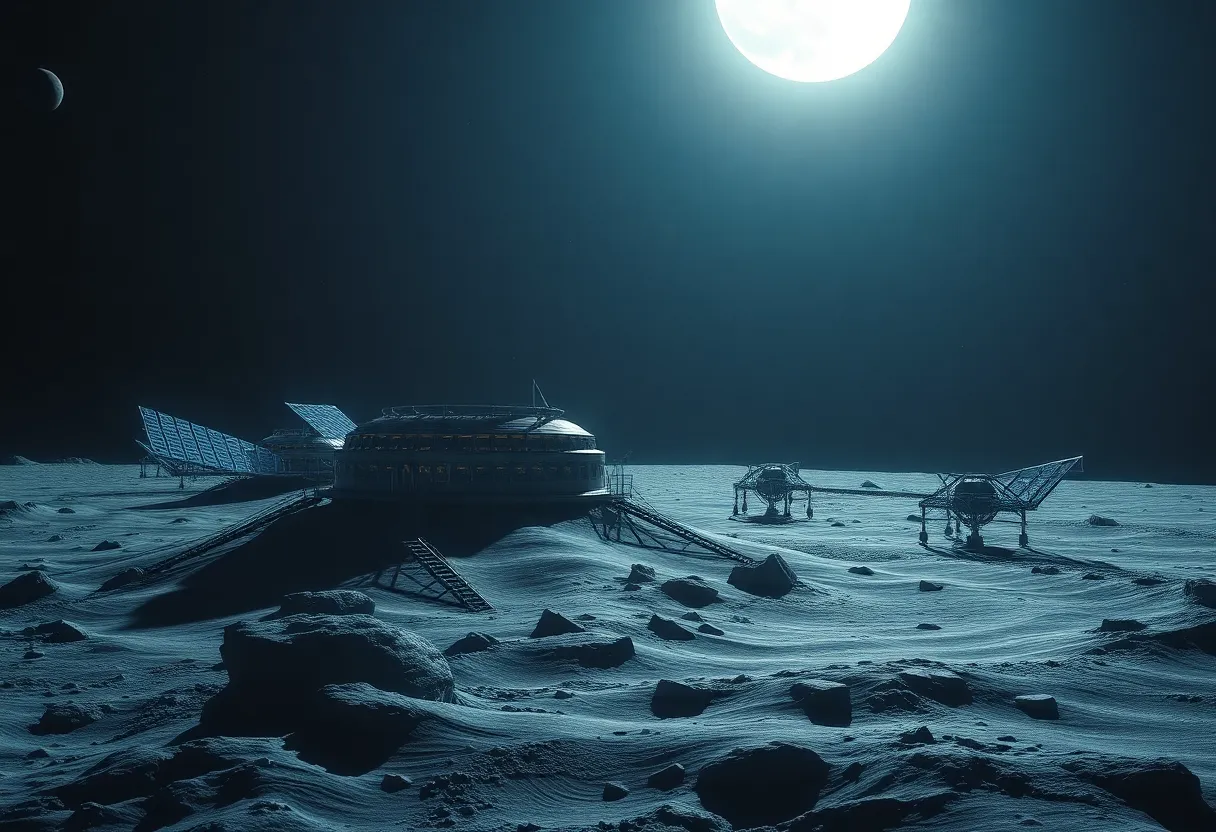
Technical and economic hurdles remain. The lunar environment is harsh: vacuum, radiation, long nights at the poles (unless you’re in “peaks of eternal light”), and abrasive dust that gets everywhere. Equipment has to be robust, autonomous, and repairable or replaceable. Regulation and property rights are also unclear: who owns what’s extracted? International agreements are vague, and national policies are still evolving. Those issues will shape how fast and how broadly lunar mining develops.
The Bottom Line
Lunar mining is no longer fantasy. With Artemis, commercial landers, and serious work on ISRU, the next decade will see the first real attempts to extract and use resources on the Moon. The economics are still uncertain and the scale will start small—but the timeline has moved from “someday” to “soon.” If you’ve been thinking of it as far-off science fiction, it’s time to update the calendar.