Genetic Engineering Beyond CRISPR: What’s Actually in the Pipeline

Eliot Vance
March 7, 2026

CRISPR made gene editing mainstream—cheap, precise, and programmable. But CRISPR isn’t the only tool in the pipeline. Base editors, prime editors, and new delivery systems are expanding what’s possible. Here’s what’s coming next.
CRISPR’s Limits
CRISPR-Cas9 cuts DNA and lets the cell’s repair machinery fill in the gap. That works for many edits—knocking out genes, inserting small changes—but it has drawbacks. It creates double-strand breaks, which can cause unintended mutations. It struggles with certain edit types—like changing a single base without cutting. And delivery—getting the editing machinery into the right cells—remains a bottleneck for therapeutic use.
Base Editors: Single-Base Precision
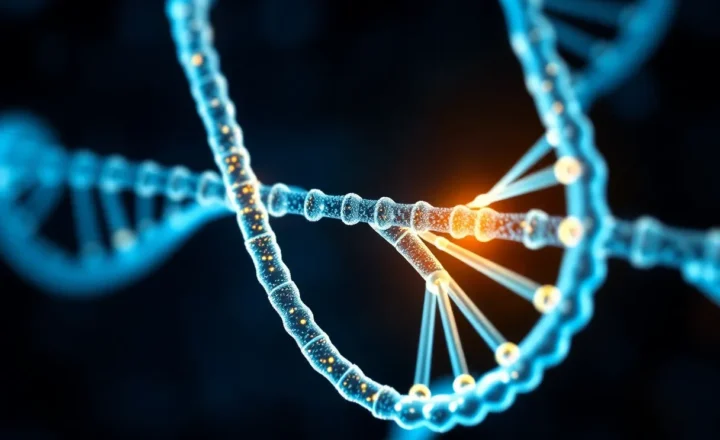
Base editors chemically convert one DNA base into another without cutting the double helix. Instead of breaking the strand and hoping the cell repairs it correctly, they directly change a C to a T or an A to a G. That reduces off-target effects and enables edits that CRISPR-Cas9 can’t do cleanly.
Base editors are already in clinical trials—for sickle cell disease, genetic blindness, and other conditions. They’re not replacing CRISPR; they’re complementing it. For single-nucleotide changes, base editors are often the better tool.
Prime Editors: Insertions and Deletions
Prime editors go further. They can insert, delete, or replace short DNA sequences without double-strand breaks. They use a Cas9 nickase (which cuts only one strand) fused to a reverse transcriptase, guided by a prime editing guide RNA (pegRNA). The pegRNA encodes the desired edit; the reverse transcriptase writes it into the genome.
Prime editing is newer and less mature than CRISPR or base editing—but it expands the range of edits. Small insertions, deletions, and substitutions that were difficult or impossible with CRISPR are now in reach. Therapeutic applications are still early, but the pipeline is building.
Delivery: The Unsolved Problem
Editing genes in a petri dish is one thing. Editing genes in a living human is another. The delivery challenge—getting the editing machinery into the right cells—remains huge. Viral vectors (AAV, lentivirus) are used but have limits: immunogenicity, cargo size, and tissue tropism. Lipid nanoparticles (LNPs) worked for mRNA vaccines and are being adapted for gene editing—but targeting specific tissues is hard.
Ex vivo editing—remove cells, edit in the lab, put them back—avoids delivery in some cases. That’s how the approved sickle cell therapies work. But for many diseases, you need in vivo editing. Delivery will determine how fast gene editing reaches patients.
What’s Actually in the Pipeline
Beyond CRISPR: base editors and prime editors in preclinical and early clinical work. New Cas variants with different PAM requirements (expanding where you can edit). Improved delivery—LNPs, engineered AAVs, other carriers. And a growing focus on safety—reducing off-target effects, improving specificity.
CRISPR opened the door. The next wave of tools is making gene editing more precise, more versatile, and eventually more deployable. The pipeline is real—and it’s moving.