EV Cold Weather: Why Range Drops and What Actually Helps

Jordan Lee
March 1, 2026
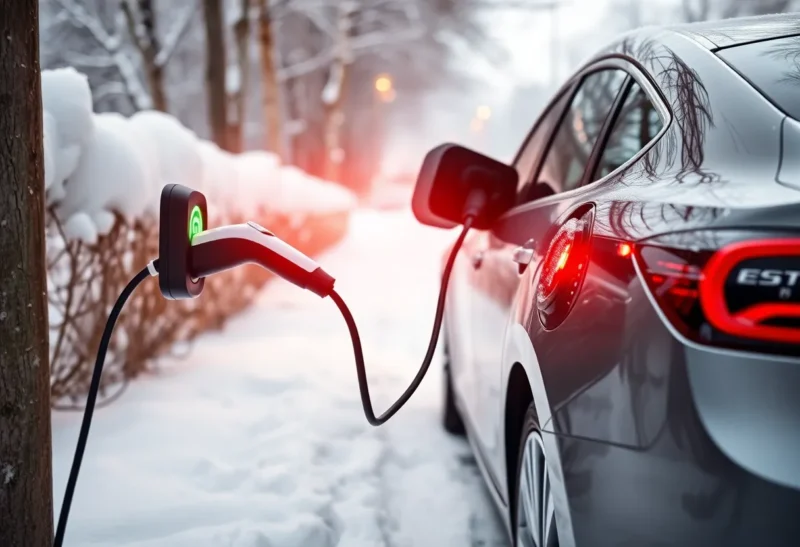
Electric vehicle range drops in cold weather. Everyone knows that. But the numbers vary wildly—from a few percent to 40% or more—and the reasons aren’t always obvious. Understanding why cold hurts range, and what actually helps, can change how you plan winter driving.
Why cold kills range
Lithium-ion batteries perform worse when they’re cold. Chemical reactions slow down; internal resistance rises. The battery can’t deliver or accept charge as efficiently. That’s physics. Colder temperatures reduce the electrochemical activity inside the cells—ions move slower, the battery delivers less power, and regenerative braking recovers less energy. Some EVs limit regenerative braking in cold conditions to protect the battery, which further reduces efficiency.
What’s less obvious is that heating the cabin draws a lot of power. In a gasoline car, engine waste heat warms the cabin almost for free. In an EV, resistive heating or a heat pump runs on battery. Blasting the heater on a freezing morning can cut range by 15–25% on its own. Heat pumps are more efficient than resistive heaters—they move heat rather than creating it—but they still consume meaningful energy. In extreme cold, heat pumps lose effectiveness, and some EVs fall back to resistive heating anyway.
Preconditioning helps. If you plug in and warm the cabin and battery before you leave, you’re using wall power instead of battery. The car starts with a warm battery and a warm cabin, so you draw less from the pack during the drive. Many EVs support scheduled preconditioning—set a departure time, and the car heats itself while still plugged in. Some also offer battery preconditioning before fast charging, which warms the pack to optimal temperature so it can accept charge faster at a DC station.
What actually helps
Precondition while plugged in. That’s the single biggest win. Use the steering wheel and seat heaters instead of the cabin heater when possible—they use far less power. Heat the cabin before you unplug, then turn it down once you’re moving. Dress for the cold; every degree you don’t need to heat is range you keep.
Drive gently. Aggressive acceleration and high speeds drain the battery faster in any weather, but cold amplifies the effect. Plan routes that avoid long highway stretches if you’re range-limited. Charging stops take longer in cold weather too—cold batteries charge slower. Factor that into trip planning.
Park in a garage if you can. A battery that starts at 40°F instead of 10°F will perform better. Even an unheated garage is warmer than outside in winter.
Eco mode, when available, often reduces cabin heating aggression and limits power output—sacrificing some performance for range. It’s worth trying on marginal drives. And if you’re stopping for a quick charge, preconditioning the battery on the way to the charger can significantly speed up charging—some navigation systems will automatically precondition when you route to a fast charger.
How much range to expect
Rule of thumb: plan for 20–30% less range in winter than in mild weather. If your EV gets 250 miles in ideal conditions, expect 175–200 in cold. Your mileage will vary by vehicle, driving style, and how cold it gets. Some EVs handle cold better than others—thermal management systems differ. Vehicles with heat pumps tend to preserve more range than those with resistive heating alone. Battery pack insulation and active thermal management also matter; a well-designed system can keep the pack in a favorable temperature range even in harsh conditions.
Check owner forums and reviews for real-world winter range reports for your specific model. EPA range is tested at moderate temperatures; cold-weather performance isn’t part of the standard test. Real-world data from owners in your climate is often more useful than manufacturer claims.
When it matters most
If your daily drive is well within your EV’s range, cold weather is an inconvenience, not a crisis. You’ll charge more often; you might need to precondition. If you’re regularly pushing the limits—long commutes, weekend road trips—winter planning becomes critical. Know where the chargers are. Know how cold affects your car. And when in doubt, leave buffer. Running out of charge in the cold is worse than running out in July.
The good news: EV cold-weather performance has improved as thermal management and heat pumps have become more common. Newer models lose less range than older ones in the same conditions. If you’re shopping for an EV and winter is a concern, prioritize vehicles with heat pumps and good cold-weather reviews. The technology is getting better. But physics still wins: cold will always cost you some range. Plan for it, precondition when you can, and you’ll be fine.