Drone Cameras in 2026: Beyond the Hype and the Regulations

Finn Mercer
February 26, 2026
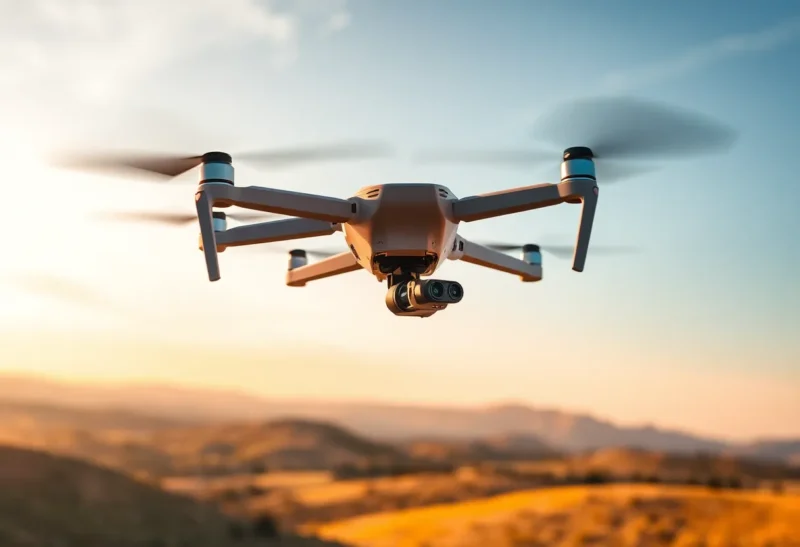
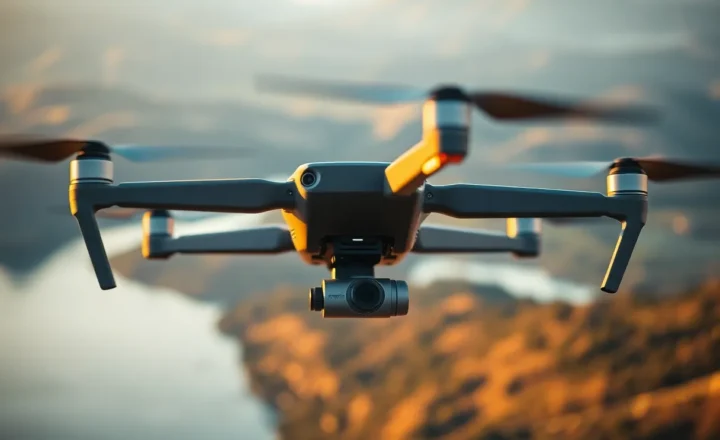
Drone cameras have gone from niche to mainstream. You can get 4K, good stabilization, and decent flight time without spending a fortune. But between the hype (“every shot is cinematic”) and the regulations (“where can I actually fly?”), what’s the real picture for drone cameras in 2026?
What You Actually Get for the Money
Consumer and prosumer drones in 2026 offer solid image quality. You can get a capable camera drone for a few hundred dollars—good enough for social media, real estate, and hobby filmmaking. Step up to the $1,000–2,000 range and you get better sensors, better gimbals, and longer flight time. The “hype” part is that the footage still depends on you: lighting, composition, and flight skill matter more than the spec sheet. So “beyond the hype” means: the gear is good; the bottleneck is often the pilot and the conditions.
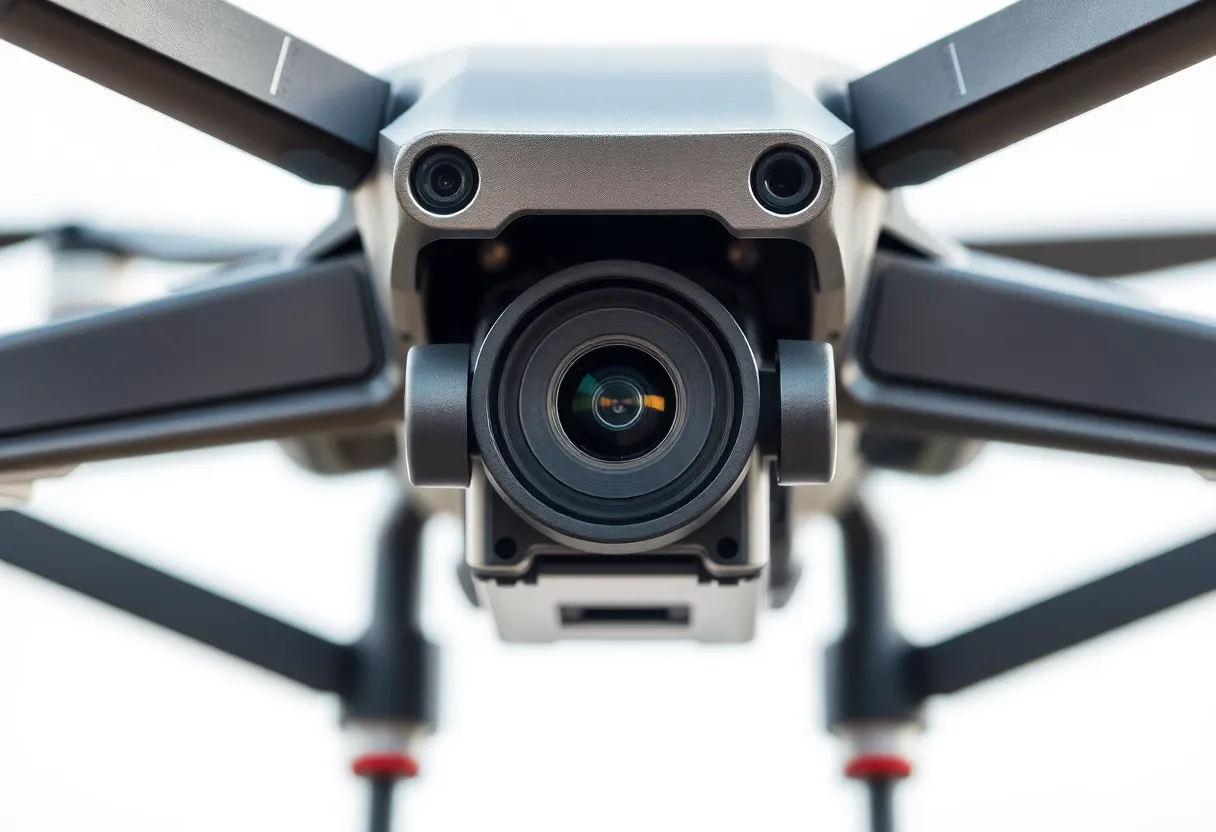
Battery life has improved but is still a constraint. You’re typically looking at 20–40 minutes per pack depending on the model and how you fly. So “all-day shoot” still means multiple batteries and a way to charge. Obstacle avoidance and return-to-home are standard on most decent drones now, which reduces the chance of losing the aircraft. So on the hardware side, 2026 is a good time to fly—you get a lot for your money compared to five years ago.
Regulations: Where You Can Fly
Regulations are the other half of the story. In the US, the FAA requires registration for most drones, and flying in controlled airspace or near airports often requires authorization (e.g. LAANC). Many parks and local areas ban or restrict drones. So “beyond the regulations” doesn’t mean ignoring them—it means knowing where you can fly legally and what you need (registration, permits, sometimes a Part 107 license if you’re doing commercial work).
In the EU and elsewhere, rules vary. Some countries have strict limits on altitude, distance from people, and where you can operate. So before you buy or plan a shoot, check the rules for your region. The hype suggests “fly anywhere and get the shot”; the reality is that airspace, privacy, and local rules constrain where and how you can use a drone camera. That’s not a reason to skip drones—it’s a reason to plan.
Privacy is another constraint. Flying over private property or filming people without consent can land you in legal or ethical trouble. Many jurisdictions have rules about where you can point the camera, not just where you can fly. So “beyond the regulations” includes both aviation and privacy—know both before you take off.
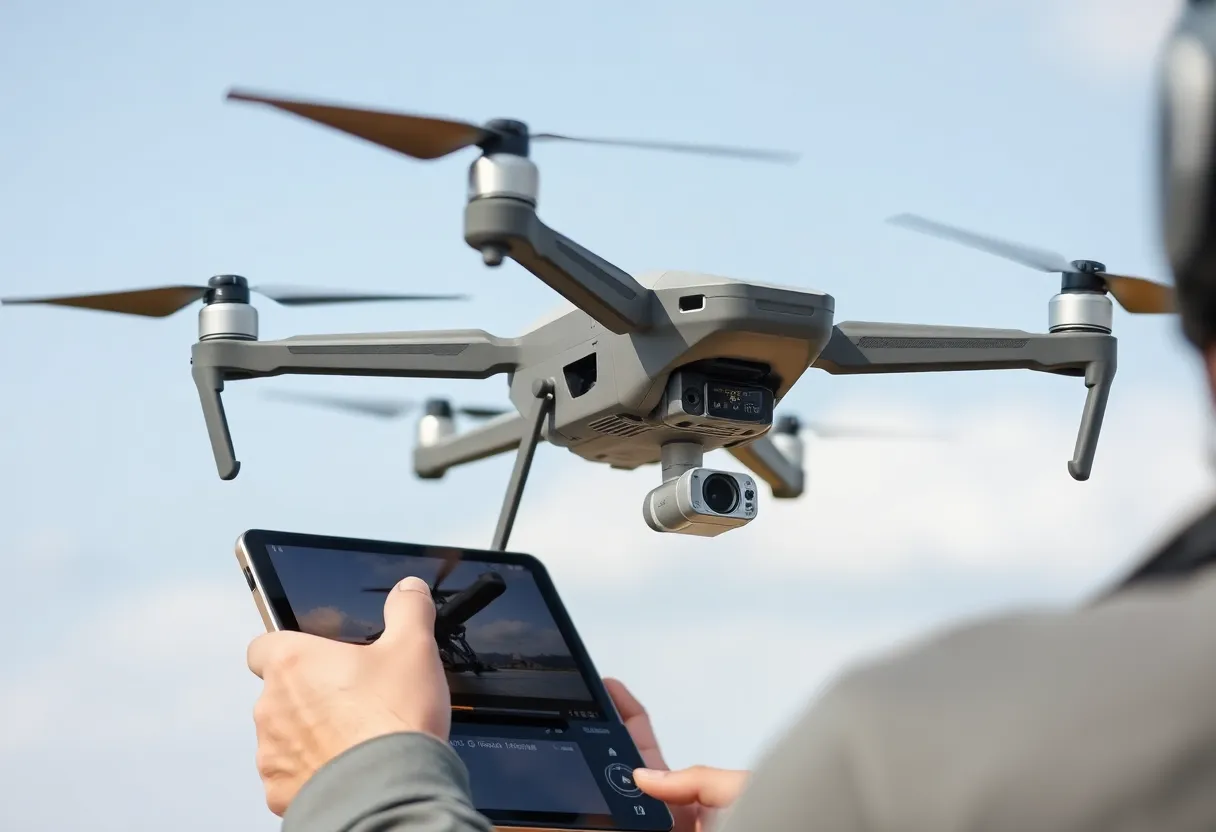
When a Drone Camera Is Worth It
Drone cameras make sense when you need an aerial perspective: real estate, events, landscape and travel, or any project where “from above” adds value. They’re overkill if you only need ground-level video—a phone or action cam is simpler and less regulated. So “beyond the hype” is also “know when to use one.” For a lot of creators, a drone is a complement to other cameras, not a replacement.
Bottom Line
In 2026, drone cameras are capable and relatively affordable. The hype is that they’ll make every shot look pro—they won’t; you still have to fly and frame. The regulations are real: check your local rules, register if required, and respect no-fly zones. If you go in with those two things in mind, you can get a lot out of a drone camera without the letdown or the legal headache.