DIY Biology: How Far Can You Go in a Home Lab?

Jamie Torres
February 26, 2026
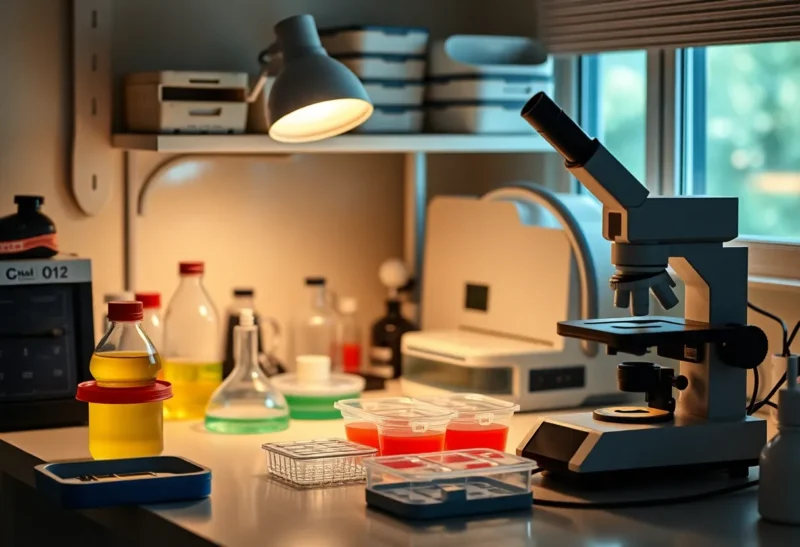
DIY biology—sometimes called “biohacking” or “citizen science”—means doing biology outside institutional labs: at home, in community labs, or in makerspaces. It’s grown from a niche hobby into a real movement, with open-source protocols, cheap gear, and online communities. But how far can you actually go in a home lab without a university or company behind you?
What You Can Realistically Do at Home
Plenty of biology is within reach of a motivated amateur. You can extract DNA from strawberries or onions with household items. You can grow bacteria in petri dishes using agar and a pressure cooker. You can use a microscope to look at pond water, mold, or your own cheek cells. You can do basic fermentation—kombucha, sourdough, yogurt—and learn the microbiology behind it. You can order kits to run PCR or gel electrophoresis at home, and you can sequence DNA by sending samples to labs that offer consumer services. None of that requires a formal lab or a degree.
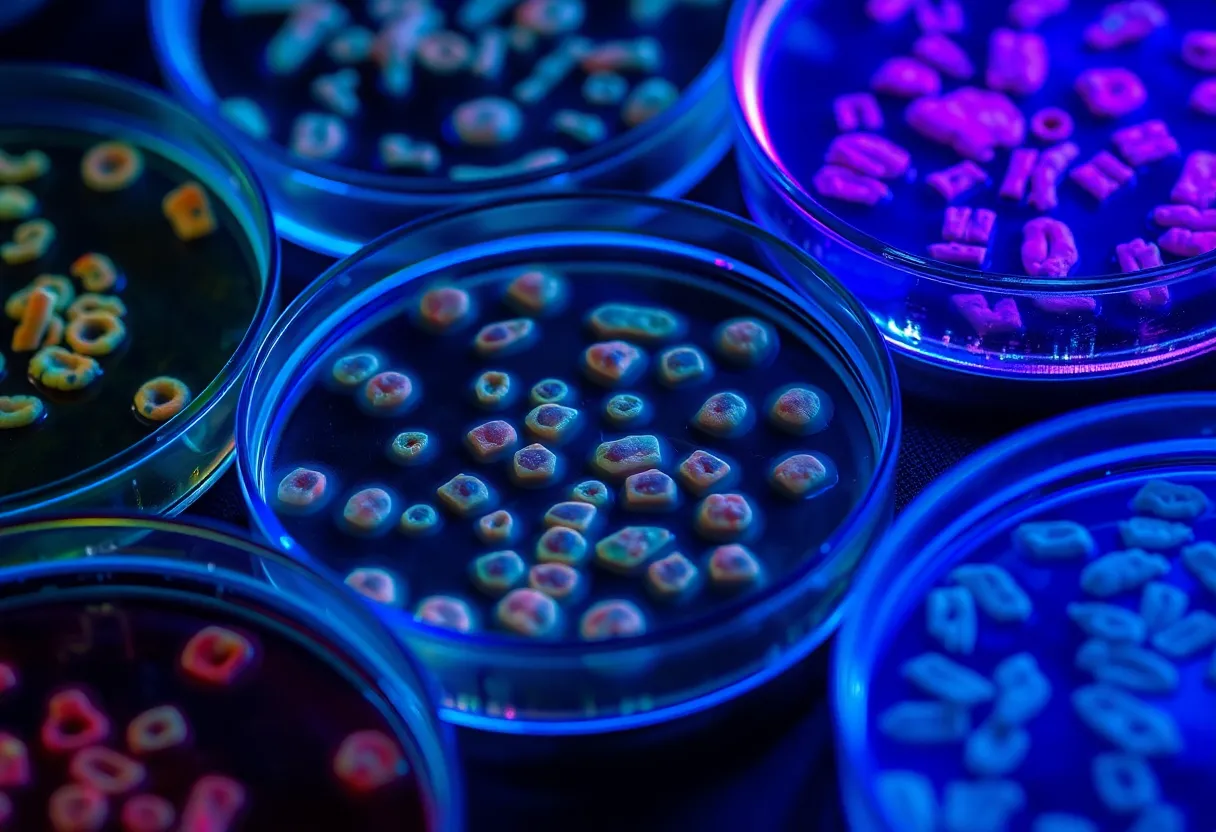
The ceiling is lower than in a professional lab. You won’t have easy access to gene editing like CRISPR in a safe, regulated way at home—and you shouldn’t try. You won’t have the containment or permits to work with serious pathogens. You won’t have the budget for high-end equipment like flow cytometers or mass specs. So “how far” is: education, curiosity, and a lot of basic molecular and microbiology—yes. Cutting-edge genetic engineering or dangerous organisms—no. The community and the law both draw a line.
Community Labs and the Middle Ground
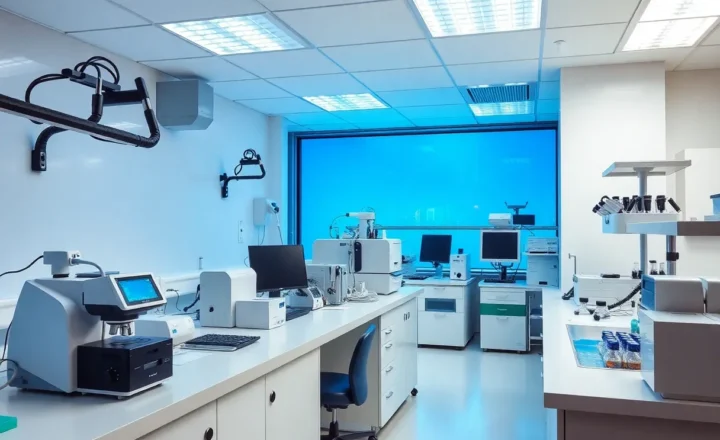
Between DIY at home and a university lab, there are community biolabs. They’re shared spaces with better equipment—autoclaves, incubators, sometimes PCR machines and basic sequencing—and often safety oversight and training. They let you do more than you can in a kitchen and less than you’d do in a BSL-2 facility. You can run projects that need sterile technique, consistent temperatures, or gear you can’t justify buying. You also get feedback and accountability, which reduces the risk of sloppy or dangerous practice.
If you’re serious about going beyond “kitchen DNA” and still want to stay legal and safe, a community lab is the right step. They exist in many cities; membership is usually affordable. So “how far” at home is one thing; “how far with a bit of structure” is another, and that’s where community labs fit.
Cost and Gear
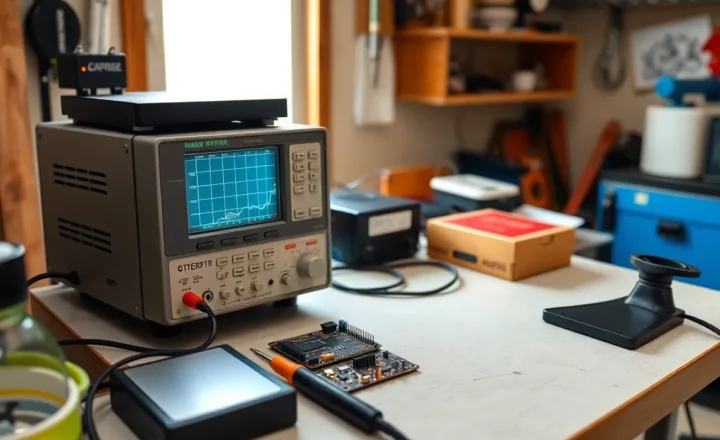
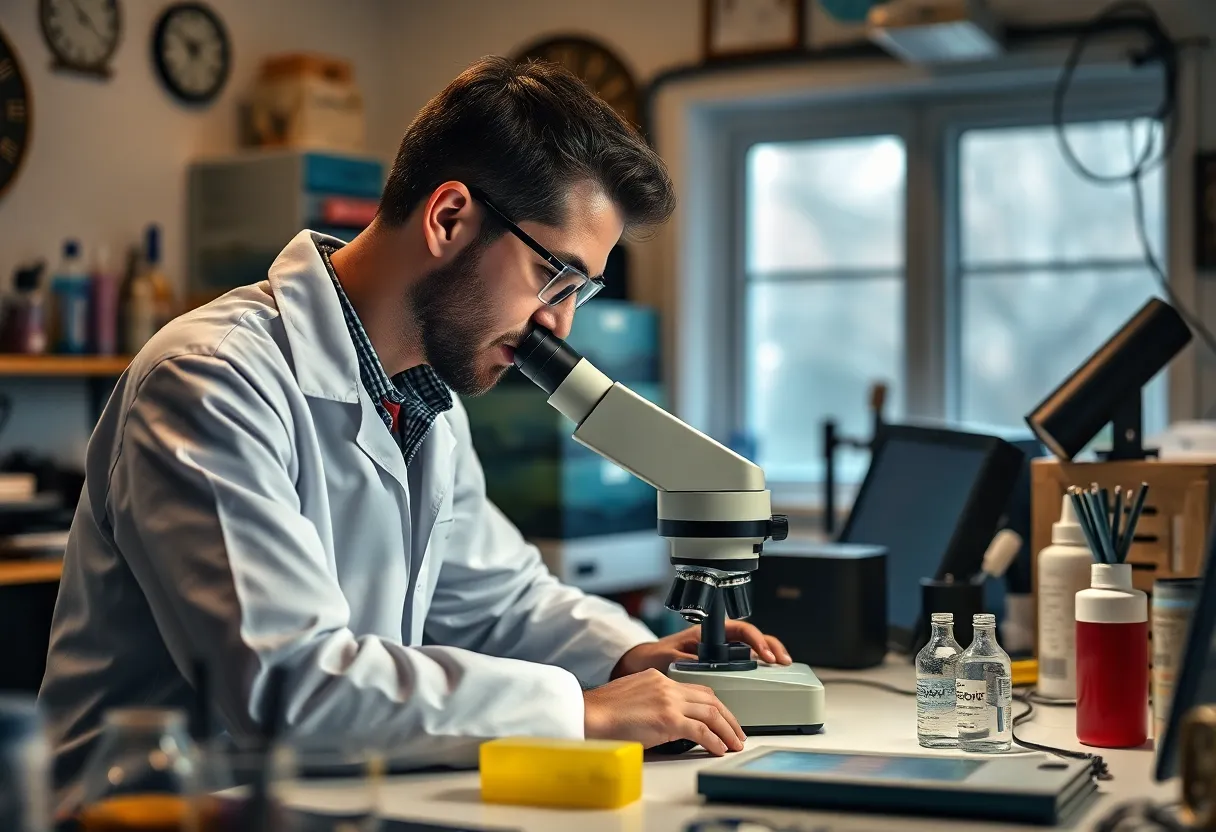
You don’t need a fortune to start. A decent used microscope, a pressure cooker for sterilizing, petri dishes, agar, and basic reagents can get you going for a few hundred dollars. DNA extraction and bacterial culture are cheap. PCR at home is possible with a thermal cycler (increasingly affordable) or even DIY builds. Sending samples out for sequencing costs tens to low hundreds of dollars per run. So “how far” is also “how much do you want to spend?”—you can do a lot for under a thousand dollars, and more if you invest in a community lab or better equipment.
Safety and Regulation
Biology is not like coding or 3D printing. Organisms can replicate, escape, or cause harm. So even at home, you have to think about containment, disposal, and what you’re allowed to do. In many places, working with certain pathogens, genetic modifications, or releasing organisms is regulated. Ordering some genes or organisms may require permits or be restricted. DIY bio communities take safety seriously and have guidelines—use them. Don’t assume that because something is “home” it’s unregulated.
What You’ll Learn
Even with limits, a home or community lab teaches you a lot: lab technique, sterility, how to read protocols, and how to troubleshoot when experiments fail. You’ll learn enough to read papers and understand what’s possible in real biology. You’ll also see why the “garage biotech” dream is oversold—scale, regulation, and expertise matter. So “how far” is partly “how much can I do?” and partly “how much will I learn?” On the learning side, you can go very far. On the doing side, you’re capped by safety, law, and equipment—and that’s okay. DIY biology is a way to explore and participate, not to replace institutional science.