Are Electric Cars Really Cleaner — Or Just Cleaner Looking?

Jordan Lee
February 24, 2026
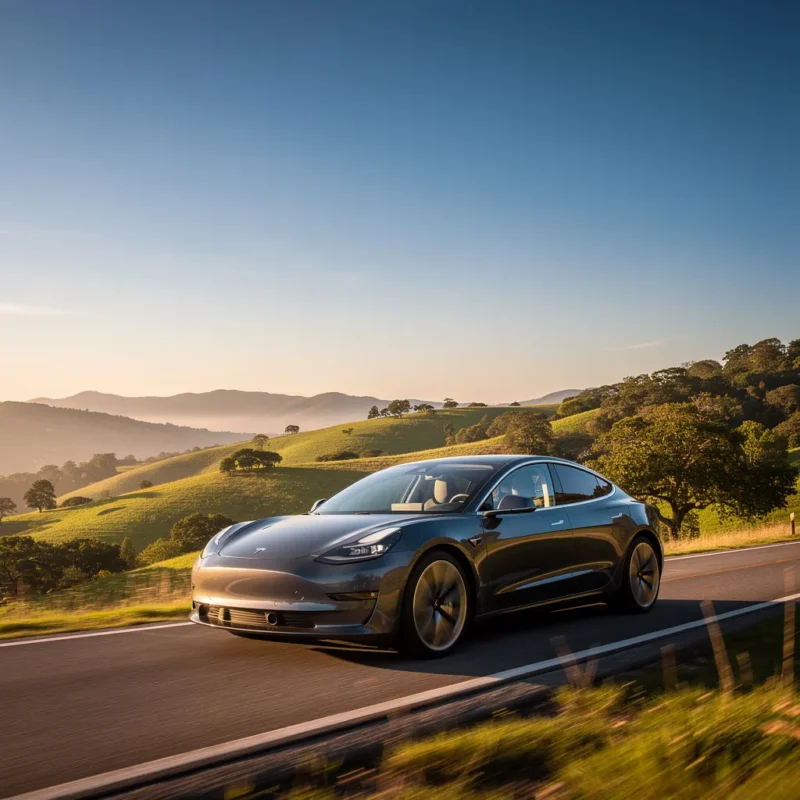
Every time you see a glossy electric sedan gliding past with no tailpipe, it’s easy to assume it’s doing the planet a solid. No exhaust, no gas station, no oil changes — surely that adds up to “cleaner,” right? The answer is more interesting than the bumper sticker: yes, electric cars are generally cleaner over their full life, but the picture is messier than the marketing suggests. Here’s where they really win, where they don’t, and why “cleaner looking” isn’t the same as “greenwashing.”
The Tailpipe Is Only Part of the Story
Critics of EVs often point out that the car itself has no emissions, but the power plant that charges it might. That’s true. If your electricity comes from a grid that runs mostly on coal, the carbon footprint of driving an EV goes up. If it comes from renewables or nuclear, it drops. So “zero emissions at the tailpipe” is accurate; “zero emissions full stop” depends on where you live and how your grid is powered.
What’s less obvious is that even on a fairly dirty grid, a typical EV still tends to beat a comparable gasoline car over time. Studies that model lifecycle emissions — from mining and manufacturing through driving and disposal — usually find that EVs break even with ICE cars after a few years of use, then pull ahead. The break-even point shifts depending on grid mix, how much you drive, and how the car and battery were made. So the real question isn’t “are EVs clean?” but “under what conditions do they actually reduce emissions?”
Where the Carbon Really Comes From
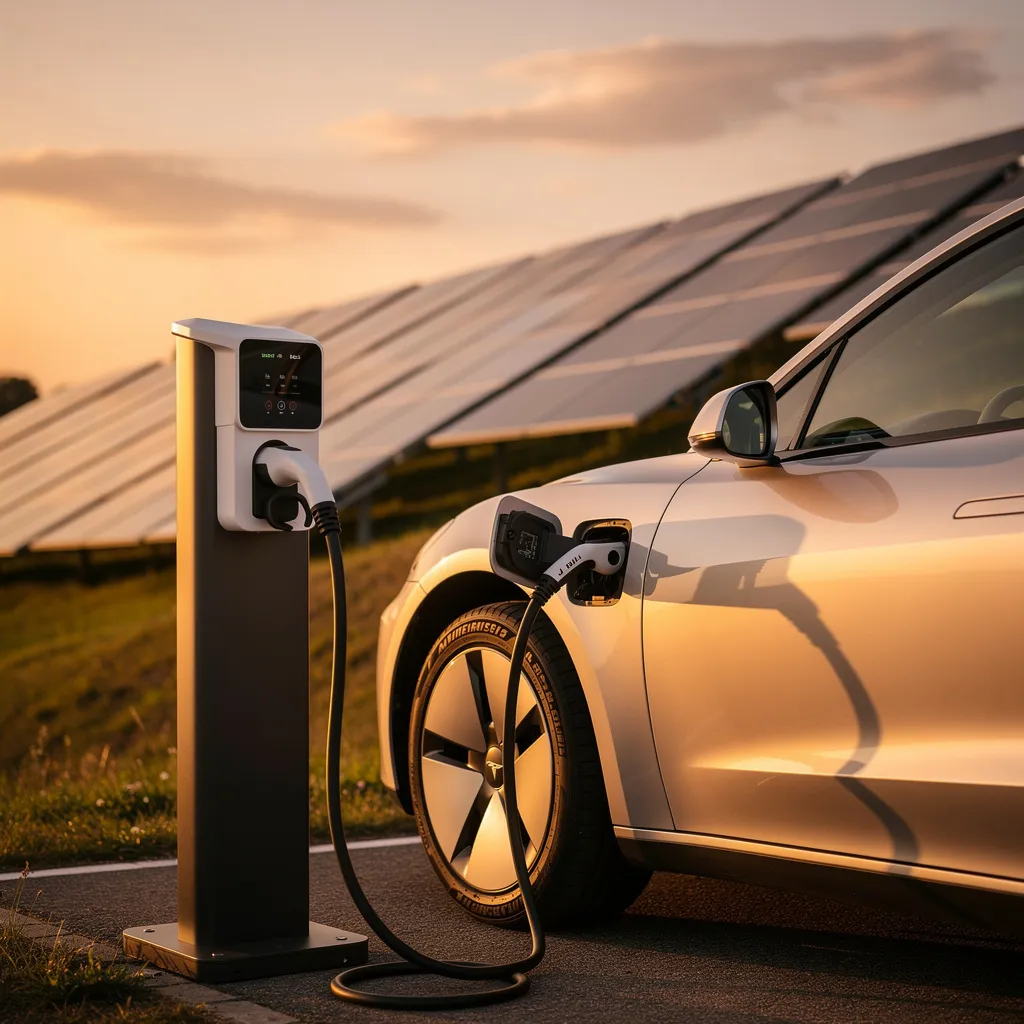
Manufacturing an electric car, especially the battery, is more carbon-intensive up front than building a conventional car. Mining and refining lithium, cobalt, nickel, and other materials, then assembling large battery packs, adds a “carbon debt” that the car has to pay off over years of driving. If you only keep the car a short time or drive very little, that debt might not be fully repaid. For most people who drive a normal amount and keep the car for a decade, the math works out in the EV’s favor.
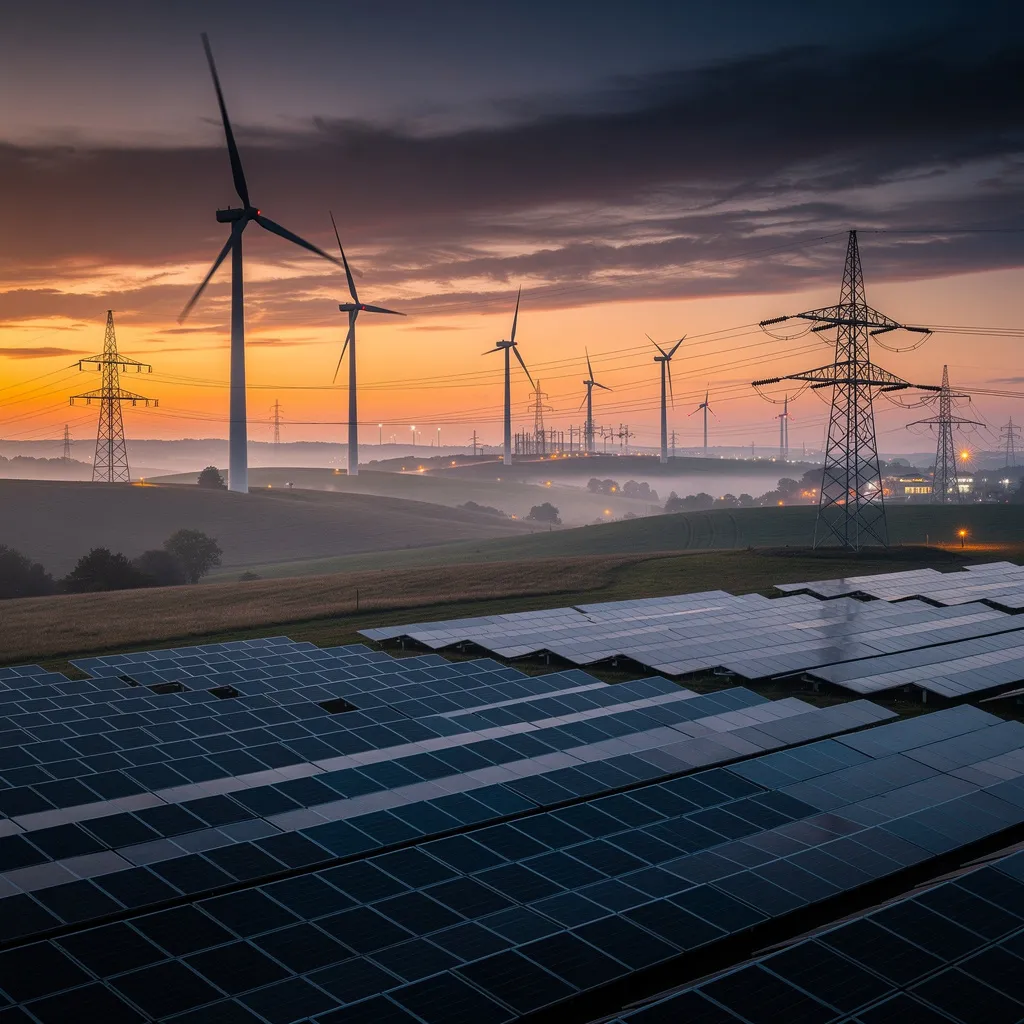
Grid electricity is the other big variable. In regions with a lot of coal or natural gas, each kilowatt-hour you put into the battery carries more emissions. In regions with strong hydropower, nuclear, or wind and solar, that same kilowatt-hour is much lighter. So the same EV model can be “dirtier” or “cleaner” depending on geography. That’s not a reason to dismiss EVs — it’s a reason to push for cleaner grids and to be honest about the numbers.
Batteries: The Elephant in the Room
Battery production is energy-intensive, and the supply chain isn’t spotless. Mining for lithium and other critical minerals has environmental and social costs. Recycling and second-life use for EV batteries are improving but still scaling up. So when someone says “EVs just move the pollution somewhere else,” they’re partly right: we’ve shifted some of the impact from the road to the factory and the mine. The hope is that over the full lifecycle — and as grids and recycling improve — the total impact is still lower.
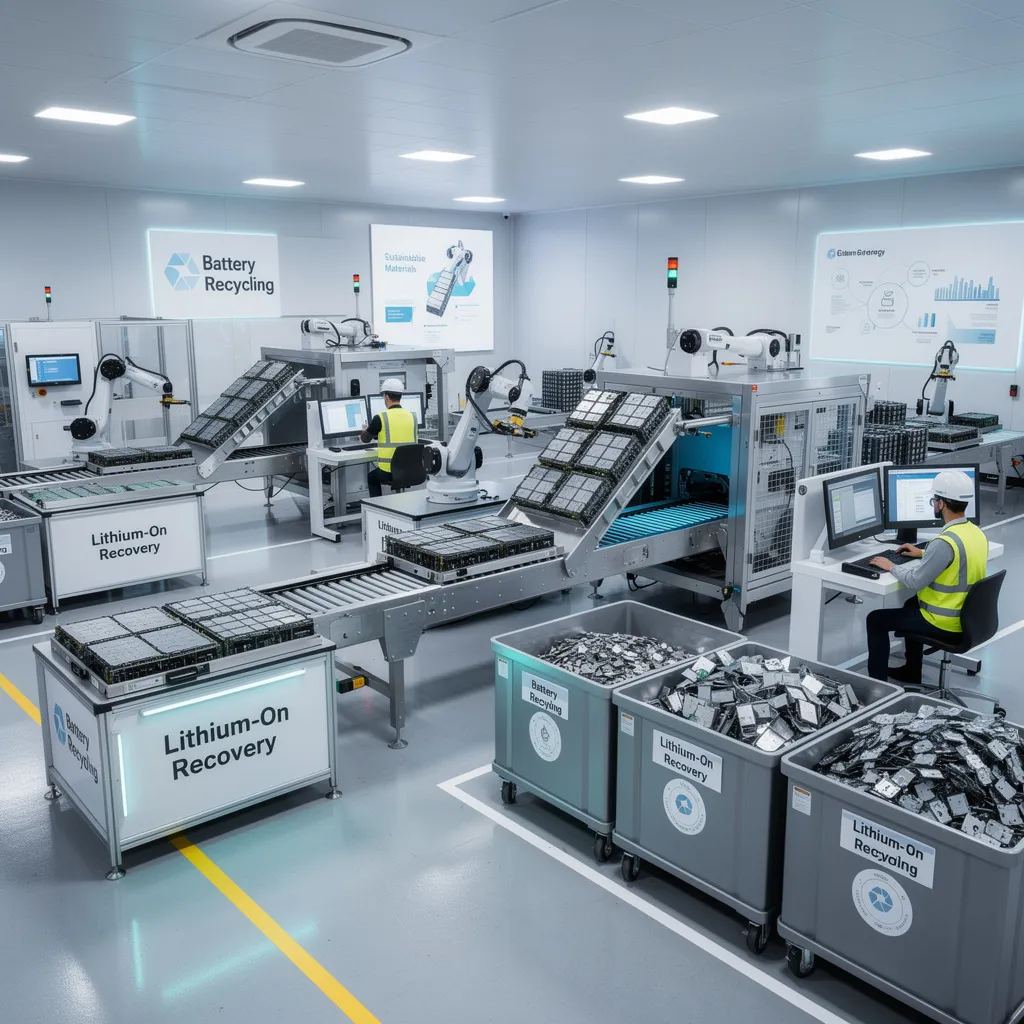
That hope is backed by a growing body of research. The International Council on Clean Transportation and other groups have run detailed lifecycle analyses that account for manufacturing, electricity mix, and end-of-life. The broad conclusion: in most markets, a typical EV today will emit less CO₂ over its life than a comparable gasoline car. The gap widens as grids get cleaner and battery production becomes more efficient and more reliant on renewable energy.
So Are They “Really” Cleaner, or Just Cleaner Looking?
They’re really cleaner in the sense that, for most drivers in most places, total lifecycle emissions are lower. They’re “cleaner looking” in the sense that the benefit is invisible — no smoke, no smell — and that the full picture (mining, grid, manufacturing) is easy to ignore. The risk isn’t that EVs are a fraud; it’s that we treat them as a silver bullet and stop pushing for better grids, better batteries, and fewer car-dependent cities. The best outcome is EVs plus cleaner power, plus less driving where we can avoid it.
If you’re on a mostly fossil grid, your EV is still likely to be an improvement over the long run, but the improvement is smaller. If you’re on a clean grid, the benefit is large. Either way, the car isn’t “just” cleaner looking — it’s part of a system that can get cleaner over time, as long as we keep upgrading that system instead of pretending the job is done.
The Bottom Line
Electric cars are not zero-impact. They have a higher upfront carbon cost from manufacturing, and their net benefit depends on how the electricity they use is generated. But under real-world conditions in most regions, they do reduce total emissions compared with conventional cars over the vehicle’s life. Calling them “cleaner looking” is fair if we mean that the cleanliness is easy to oversell; it’s unfair if we mean they’re no better. The honest take: they’re a real step in the right direction, and they’ll look even better as grids and supply chains get cleaner.