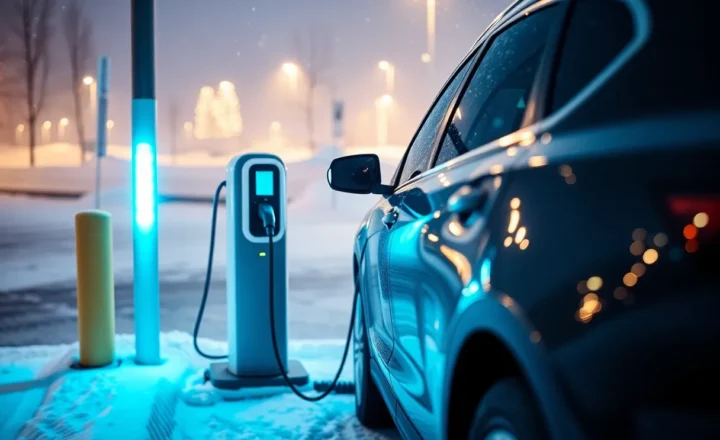
Why EV Range Anxiety Is Really Infrastructure Anxiety

Jordan Lee
February 24, 2026
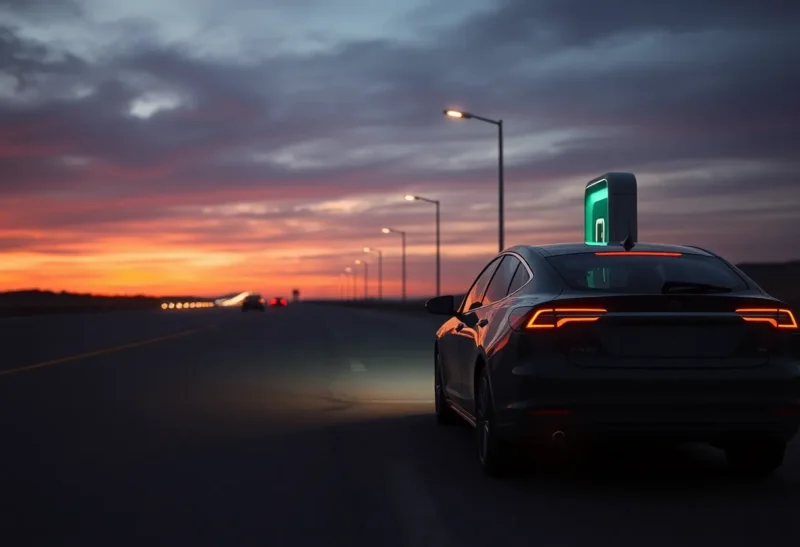
Range anxiety gets blamed on the driver. You’re worried about running out of juice? Plan better. Check the map. Buy a car with more range. The subtext is that the problem is psychological—if you’d just trust the numbers, you’d be fine. But for most people who’ve actually driven an EV on a long trip or in a place without a garage charger, the anxiety isn’t irrational. It’s a rational response to infrastructure that’s still full of gaps. The battery isn’t the main issue. The plug is. Here’s why EV range anxiety is really infrastructure anxiety—and what would actually fix it.
The Numbers Look Fine Until You Leave the Corridor
On paper, modern EVs are capable. 250, 300, 400 miles of range is common. Enough for most daily driving and for plenty of long hauls—if the charging network is there. The catch is “if.” Along major highways and in dense metro areas, fast chargers have multiplied. You can drive from LA to San Francisco or Boston to DC and find working stations. But get off the corridor—rural routes, secondary highways, small towns—and the map gets sparse. One broken charger, one queue, or one detour and your margin disappears. The car didn’t fail. The infrastructure did.
So when someone says “I’m anxious about running out of charge,” they’re often not saying “I don’t believe my range estimate.” They’re saying “I don’t trust that there will be a working charger when I need it.” That’s a different problem. It’s not solved by a bigger battery; it’s solved by more chargers, better reliability, and clearer information about what’s actually available. Until that’s addressed, range anxiety is a reasonable response to an unreliable system.
Reliability and the “One Bad Experience” Problem
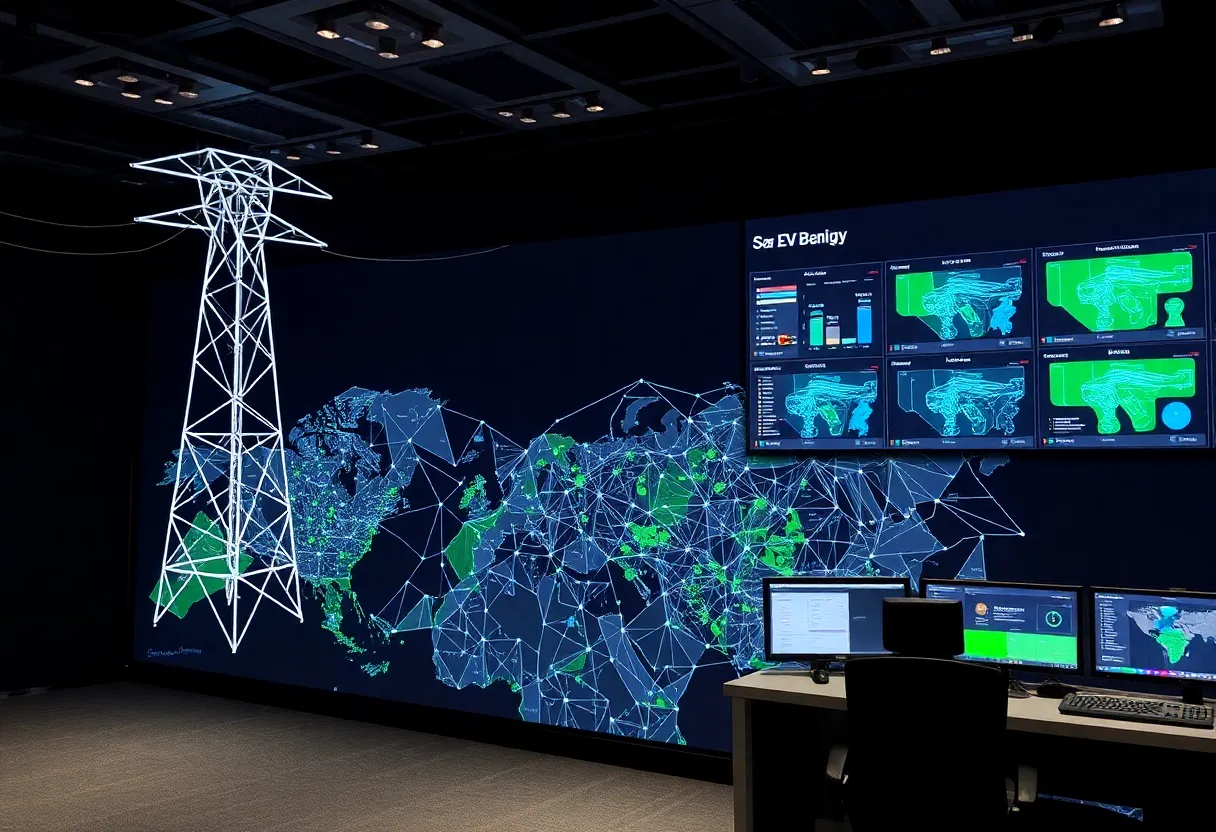
Even where chargers exist, reliability is uneven. A single experience of pulling up to a broken or occupied station—with no backup nearby—can define how someone feels about EV travel for years. With gas, you have options every few miles. With EVs, you might have one fast charger in 50 miles. If it’s out of order or blocked, the mental model shifts from “I’ll find one” to “what if I don’t?” That’s infrastructure anxiety: the system has to work not just on average, but when you need it. One failure in the wrong place is enough to make people doubt the whole network.
Improving that means more redundancy (multiple chargers per location), better maintenance, and real-time status that drivers can trust. Some networks are getting there; many aren’t. Until reliability and redundancy are the norm, anxiety will stay high—and it won’t be the driver’s fault.
Who Has a Plug at Night?
Another dimension of infrastructure is where you live. If you have a garage or a dedicated parking spot with a plug, you start every day full. Range anxiety is someone else’s problem. If you street-park or live in an apartment without charging, you depend on public infrastructure for every fill-up. That might mean fast chargers (expensive and time-consuming for daily use) or slower public stations that are often scarce, poorly marked, or occupied. For those drivers, “range anxiety” is really “where do I plug in tomorrow?”—a housing and urban infrastructure issue as much as a vehicle one.
Solving that means more curbside charging, more mandates or incentives for multifamily and workplace charging, and a charging mix that doesn’t assume everyone has a home plug. Again, the battery size is secondary. The plug at the other end is primary.

What Would Actually Reduce the Anxiety
First: build more chargers in the gaps—rural and secondary routes—so that one failure doesn’t strand anyone. Second: improve reliability and redundancy at each site so “will it work?” isn’t a question. Third: make real-time status and availability visible and accurate in every major app and in-car system. Fourth: expand access to overnight or regular charging for people who don’t have a home plug—curbside, apartment, workplace. Fifth: stop framing range anxiety as a driver mindset problem. It’s an infrastructure and policy problem. When the network is dense, reliable, and visible, the anxiety will drop. Until then, it’s a rational response to an incomplete system.
The Bottom Line
EV range anxiety isn’t mostly about the car or the battery. It’s about whether the charging infrastructure will be there when and where you need it. Better batteries help at the margins; they don’t fix broken or missing chargers. Fixing the infrastructure—coverage, reliability, and access for everyone, not just homeowners on major routes—is what will actually turn range anxiety into confidence. Until then, the anxiety is the system telling us what’s still missing.