Climate Tech in 2026: What’s Working and What’s Theater

Jordan Lee
February 24, 2026
Climate tech in 2026 is a mix of real progress and performative noise. Some solutions are scaling and moving the needle; others are still mostly narrative. Telling the difference matters—for policy, for investment, and for where we put our hope. Here’s what’s actually working and what’s still theater.
What’s Working: Solar, Wind, and Batteries
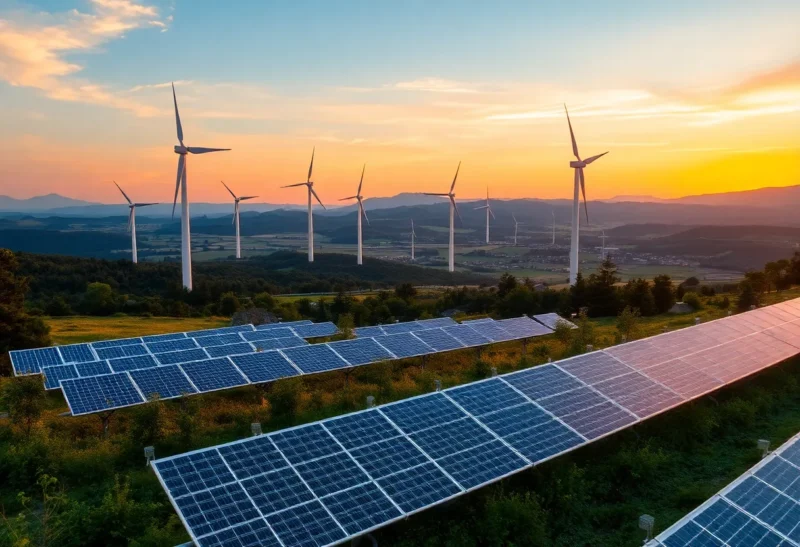
The clearest wins are in renewables and storage. Solar and wind are now the cheapest new electricity in many regions. Deployment is scaling; grids are integrating them. Batteries are following a similar curve: costs have dropped, and utility-scale and distributed storage are becoming part of normal planning. That’s not theater—that’s deployment. The build-out isn’t even everywhere, and permitting and grid upgrades remain bottlenecks, but the technology and economics are proven. In 2026, the main job is to build more, faster, and to fix the institutional and infrastructure barriers, not to invent new physics.
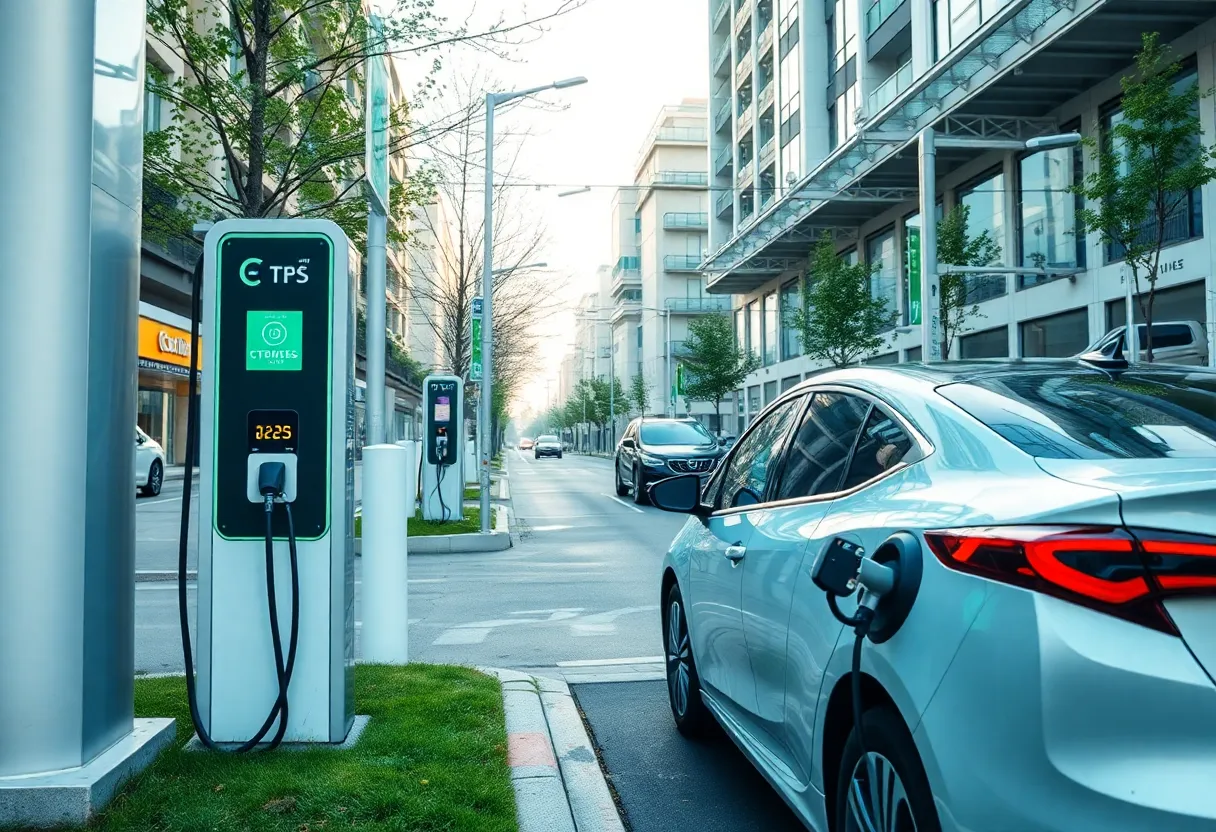
Electric vehicles are in the same bucket. They’re not a future promise; they’re on the road in large numbers. Charging networks are still uneven, and the transition in heavy transport and aviation is early—but for passenger cars and many commercial vehicles, the path is clear. So: solar, wind, batteries, and EVs are “what’s working.” The theater is when people talk about them as if they’re still unproven or when they distract from the fact that the main constraint is now scale and politics, not technology.
What’s Partly Working: Green Hydrogen and Industrial Decarbonization
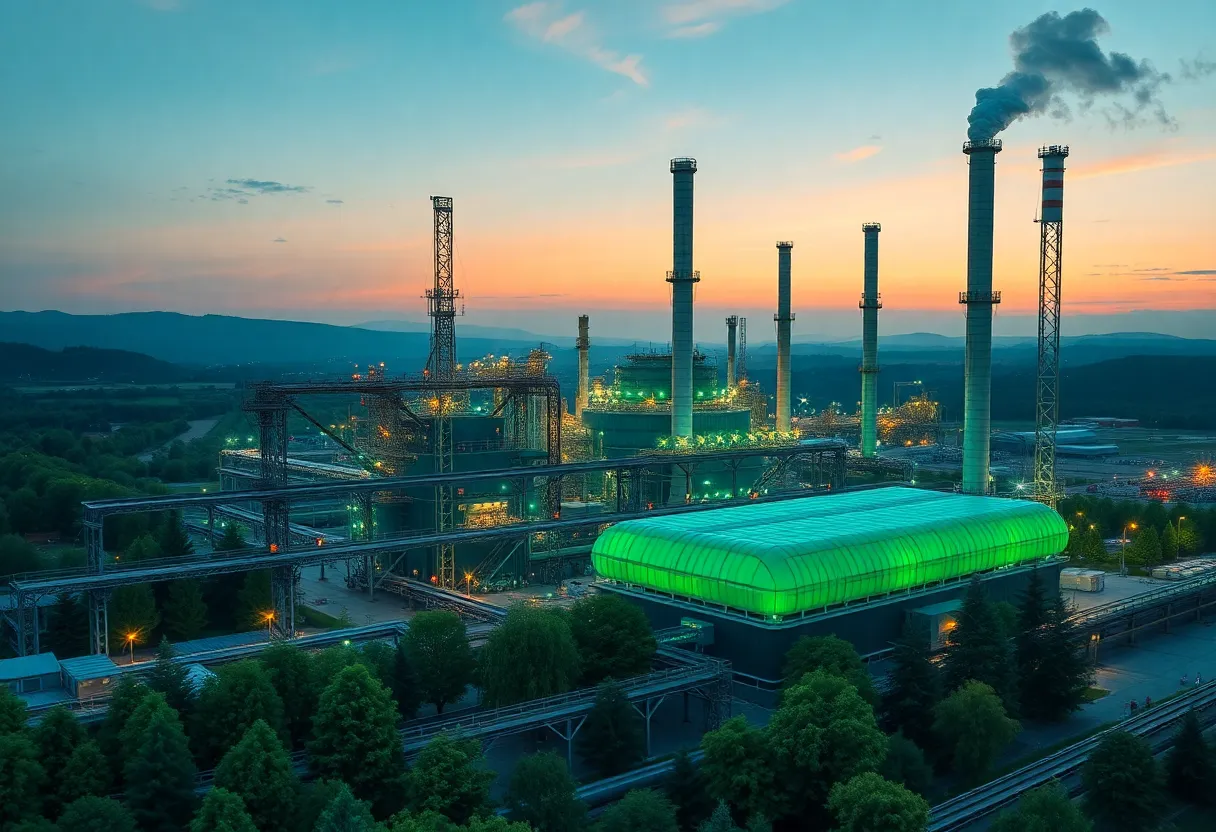
Green hydrogen—made from renewable electricity—is real but still expensive and small-scale. It’s finding niches: heavy industry, long-haul transport in some corridors, and as a storage or feedstock option where alternatives are worse. So it’s not theater; it’s early. The risk is overclaiming: talking about hydrogen as if it’s about to replace everything, when in reality it will likely be a targeted tool for specific sectors. Industrial decarbonization more broadly—steel, cement, chemicals—is in a similar place. There are pilot plants and roadmaps, but the scale of deployment we need is still ahead of us. In 2026 the story is “we know what to do, we’re starting to build; we’re not there yet.”
What’s Still Mostly Theater: Carbon Removal at Scale
Carbon removal—direct air capture, enhanced weathering, and similar—gets a lot of attention. Some projects are real and selling credits. But the volumes needed to meaningfully affect the atmosphere are enormous, and today’s capacity is a tiny fraction of that. So carbon removal in 2026 is partly “real pilot projects and early commercial activity” and partly “we’re talking about it as if it’s a substitute for cutting emissions.” It’s not. It can complement emissions cuts later; it can’t replace them now. The theater is when companies or governments use “we’re investing in removal” to deflect from reducing fossil use. Honest framing: removal is a long-term bet and a small piece of the portfolio, not the main event.
What’s Often Theater: Vague Net-Zero Pledges
“Net zero by 2050” or “carbon neutral by 2030” can be serious—if there’s a clear plan, real capital, and accountability. Too often they’re marketing. A company or government announces a target without a credible pathway, or they rely on offsets that don’t hold up under scrutiny. In 2026, the useful distinction is between pledges that are backed by science-based plans and interim milestones, and those that are mainly for headlines. The same goes for “green” financial products: some are rigorous; many are loosely defined. So “what’s theater” isn’t “all commitments are fake”—it’s “a lot of commitments are under-specified and under-delivered.” The work is to hold feet to the fire and to reward the ones that are real.
What’s Working Under the Radar: Efficiency and Demand
Less glamorous but effective: efficiency and demand-side action. Better buildings, smarter grids, industrial efficiency, and behavioral shifts don’t make as many press releases as a new “breakthrough” technology. But they’re deployable now, and they add up. In 2026, the most underrated climate tech is often “use less energy and use it better.” That’s not theater; that’s the boring, essential work that doesn’t always get the same attention as splashy announcements.
Policy and Money: What Actually Moves the Needle
Technology alone doesn’t deploy itself. What’s working in 2026 is usually where policy and capital are aligned: subsidies, mandates, carbon pricing (where it exists), and permitting and grid reform. Where those are weak, even proven tech slows down. So “what’s working” is as much a question of political will and investment as of engineering. The theater often shows up when governments or companies announce big numbers—“we’re investing X billion in climate”—without clarity on where it goes. Is it into scaling solar and grids, or into speculative removal and long-dated bets? The former is what moves the needle in the next decade; the latter can be part of the mix but shouldn’t dominate the story.
How to Tell the Difference
A simple filter: look at deployment and unit economics. Is the technology being built at scale, and is the cost curve going in the right direction? If yes, it’s in the “working” column. If it’s still at pilot stage or the economics don’t close without heroic assumptions, it’s “early” or “theater” depending on how honestly it’s framed. And for pledges and claims, look for concrete milestones, third-party verification, and whether the entity is actually changing its core activities or just buying offsets and talking. In 2026, the difference between what’s working and what’s theater is usually visible if you look at the numbers instead of the press releases.
The Bottom Line
In 2026, what’s working is what’s scaling: solar, wind, batteries, and EVs. What’s partly working is green hydrogen and industrial decarbonization—real but early. What’s still mostly theater is carbon removal at the scale we need and vague net-zero pledges without substance. And what’s underrated is efficiency and demand. The way to tell the difference is to look at deployment, cost curves, and whether the story matches the numbers. Focus there, and you’ll see what’s real and what’s performance.