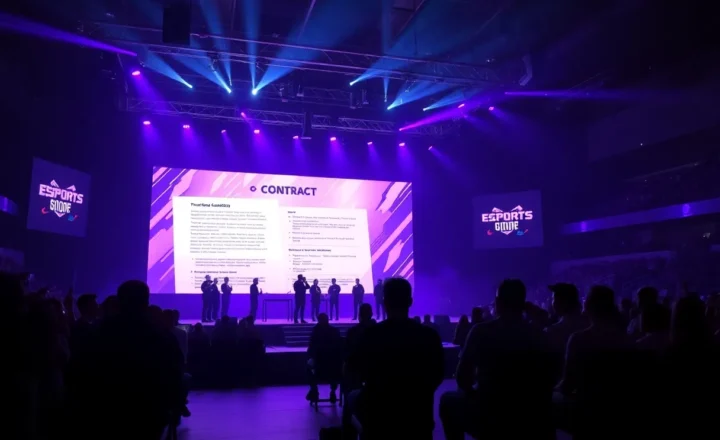
Esports looks glamorous from the outside: big prize pools, arenas full of fans, and players who turned a hobby into a job. The reality of building a career in competitive gaming is much harder. The path is unclear, the odds are long, and the industry is still figuring out how to support the people who don’t make it to the top. Here’s why it’s harder than it looks—and what that means if you’re considering it.
The Pyramid Is Extremely Steep
Only a tiny fraction of people who play at a high level ever earn a living from competition. There are hundreds of thousands of skilled players; there are only so many spots on tier-one teams, and only a handful of games support robust, stable leagues. So the pyramid is steep: lots of people at the base, very few at the top. That’s true in traditional sports too, but in esports the structure is younger and less formal. There’s no universal “minor league” system, no clear path from amateur to pro in every title, and prize money and salaries are concentrated in a small number of games and regions. If your game falls out of favor or the scene shrinks, your career can evaporate without a clear next step.
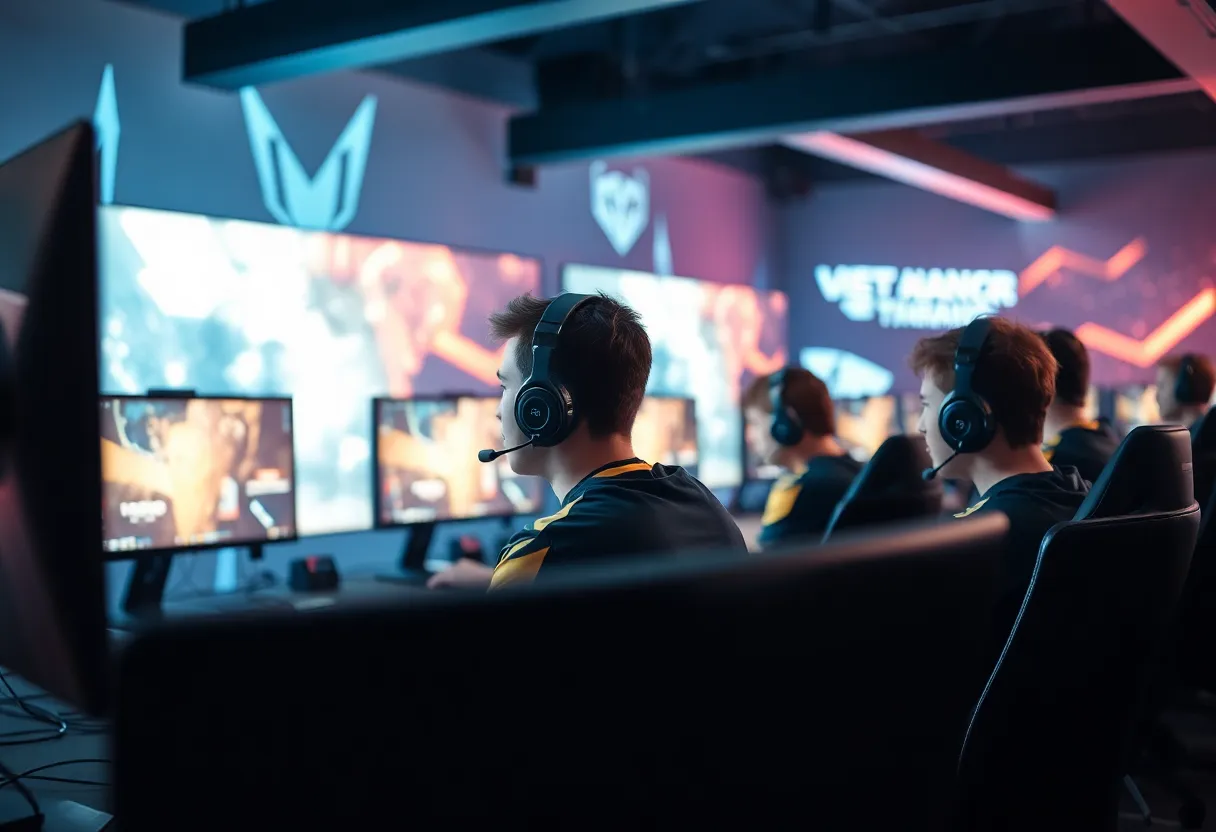
So “building an esports career” usually means either making it as a player at the very top, or finding a role around the industry—coach, analyst, content creator, streamer, organizer. Those paths are real, but they’re also competitive and often underpaid until you’re established. The dream is “I’ll go pro”; the reality for most is “I’ll try to stay in the ecosystem in some way while figuring out how to pay rent.”
Skill Alone Isn’t Enough
Being good at the game is necessary but not sufficient. You need visibility: results in tournaments, a following, or connections to people who run teams and leagues. That means grinding the competitive ladder, getting into the right events, and often building a personal brand through streaming or content. That’s a lot of jobs at once—athlete, marketer, networker—and it’s especially hard when you’re young and may not have resources or guidance. Many talented players never get the chance to be seen because they’re in the wrong region, the wrong game, or they don’t have the time or support to compete and build an audience at the same time.
Then there’s the mental and physical side. Pro play is demanding: long practice hours, travel, pressure to perform, and the risk of burnout or injury (yes, repetitive strain is real in esports). The lifestyle is not for everyone, and the support systems—sports psychology, contract advice, financial planning—are still patchy compared to traditional sports. So even if you have the skill, sustaining a career requires a lot beyond the game.
The Business Side Is Messy
Esports is still a young industry. Team finances are often unstable; orgs fold or cut rosters when funding dries up. Player contracts and rights vary widely; some players have been left in the lurch when a team dissolves. Revenue models are still evolving: sponsorship, media rights, game publisher support, and merchandise don’t always add up to a stable salary for everyone in the pipeline. So “getting signed” doesn’t always mean “set for a few years.” It can mean “you have a contract until the next cycle, and then we’ll see.” That uncertainty makes it hard to plan a life around the career.
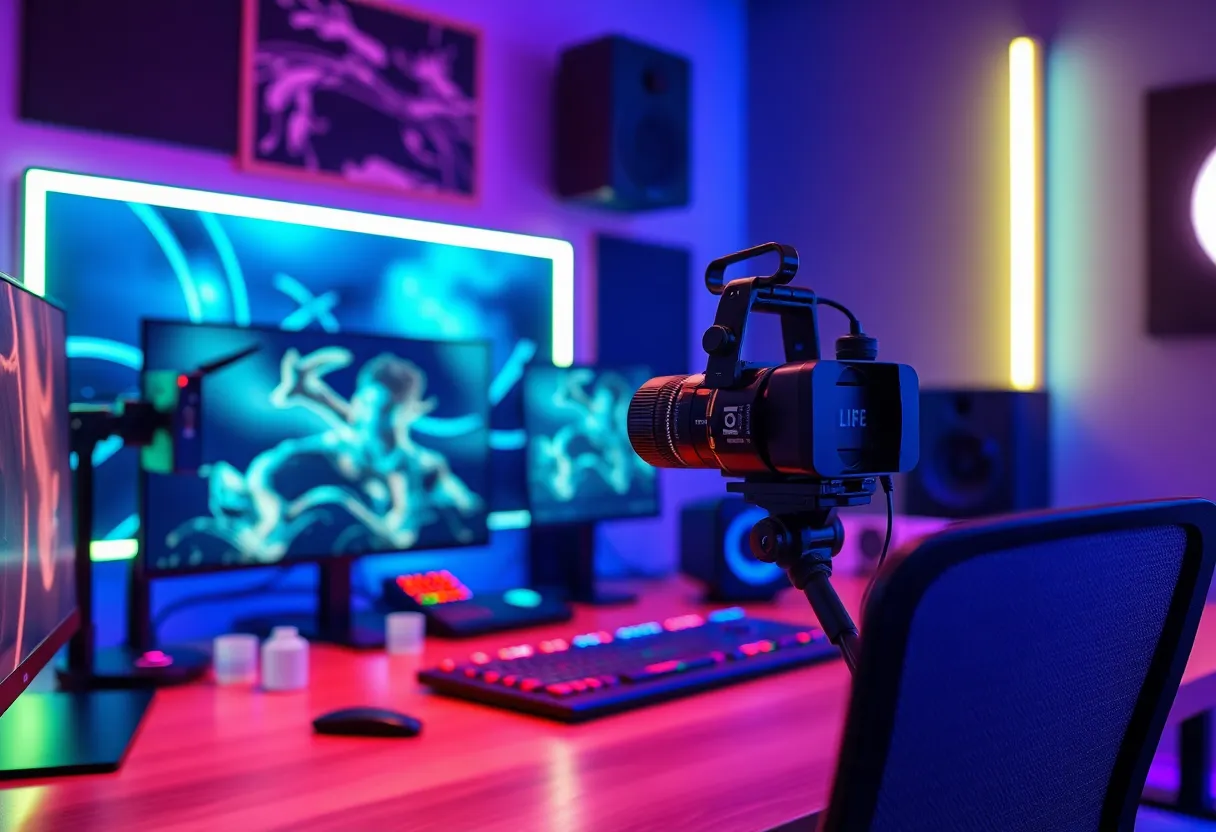
For people who aren’t on a team, the path is even less clear. Content creation and streaming can be part of an esports-adjacent career, but that’s its own grind—algorithm changes, platform dependency, and the need to be consistently entertaining and visible. So “building an esports career” might mean “building a streaming career that’s tied to games” or “working behind the scenes in production or management.” Those are valid, but they’re not the same as “I’m a pro player,” and they come with their own risks.
Age, Timing, and Regional Luck
Pro gaming has a reputation for being a young person’s game. Reaction time and the ability to grind for hours do favor youth, though the “you’re done at 25” narrative is overstated—many players compete well into their late twenties and beyond. The real pressure is that the window to “make it” can feel short: games and metas change, and if you don’t break through in a few years, it’s easy to feel left behind. Add in regional disparities—most opportunities and money are in specific countries and for specific games—and your location and language can matter as much as your rank. So “harder than it looks” also means “harder for some than for others” depending on where you are and what you play.
What Would Make It Easier
Honest conversations about the odds and the alternatives would help. So would better structures: clearer paths from amateur to semi-pro to pro, more stable org finances, and stronger player associations or standards for contracts and support. Education—both in-game and in life skills like finance and mental health—would help players at every level. And recognizing that “making it” in esports can mean many things—playing, coaching, creating, organizing—might help people plan and pivot instead of betting everything on a single narrow path.
The Bottom Line
Building an esports career is harder than it looks because the pyramid is steep, skill isn’t enough without visibility and support, and the industry is still volatile. That doesn’t mean it’s impossible or that people shouldn’t try. It means going in with eyes open: know the odds, have a plan B, and think of “esports career” as a spectrum of roles, not just “pro player or nothing.” The ones who make it usually combine talent with persistence, timing, and a lot of work off the keyboard too.