Bambu Lab vs a Prusa for a first enclosed printer: when the closed box matters more than the open frame

Anya Petrov
September 23, 2026
If you are buying your first printer that comes in a box with doors, the marketing fight is already lost to the wrong question. People ask whether Bambu Lab or Prusa is “better.” The useful question is narrower: when does a closed chamber matter more than an open, serviceable frame—and what are you actually trading when you pick one culture of machine over the other?
I have watched too many first enclosed printers get chosen because a YouTube teardown looked sleek, then sit idle when the first clog needed a hex driver and a calm afternoon. I have also watched open-frame owners fight ABS warping for months, then finally bolt acrylic panels on and wonder why they did not start enclosed. The closed box is not a personality trait. It is a physics tool. Treat it that way.
What “enclosed” actually buys you
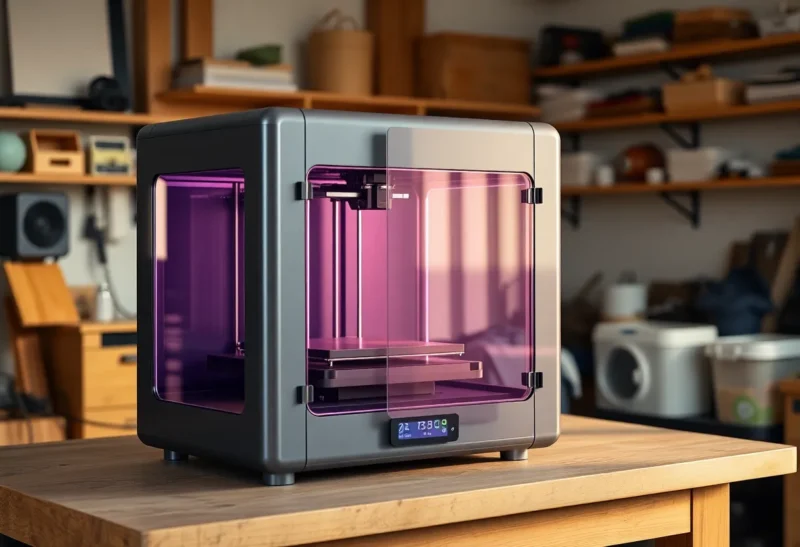
An enclosure is mostly about air. Hot plastic wants to cool at a pace that matches the layer below it. PLA is forgiving outdoors on a drafty desk. PETG is pickier. ABS, ASA, polycarbonate blends, and many engineering filaments will curl, delaminate, or crack if room air keeps stealing heat from the part. A closed chamber holds a warmer, calmer pocket of air around the print. That pocket is the feature. The glass door is just how you keep it.
Secondary benefits hitch a ride: less dust on the bed, quieter fans to the room, a place to mount a camera, and a psychological sense that the machine is a finished appliance. Those matter for day-to-day living with a printer in a shared space. They do not replace the thermal job. If your filament plan is PLA and the occasional PETG, a fancy enclosure is comfort more than necessity. If you already know you want durable outdoor parts, enclosures stop being optional theater.
Bambu’s consumer line leaned into the appliance story early: closed box, AMS-style multi-color feeding, fast defaults, and a workflow that assumes you want a part tonight, not a weekend of tuning. Prusa’s enclosed options (and the long history of people enclosing MK-class machines) lean the other way: you can see every belt, you can replace every sensor, and the company culture still treats the printer as something you own for years of upgrades. Both can print well. They fail differently.
The open frame is not “worse”—it is a different contract
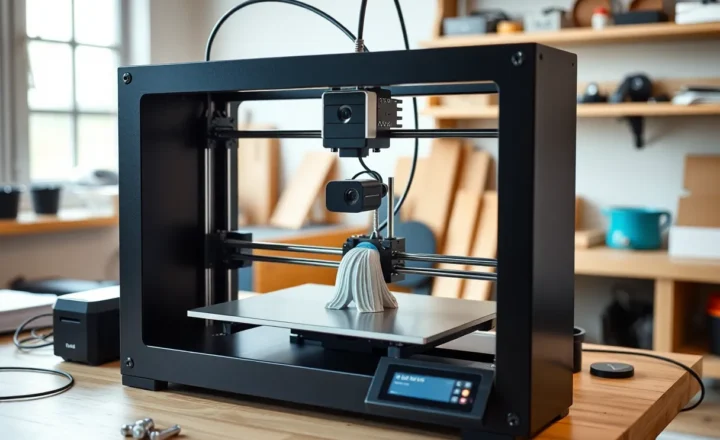
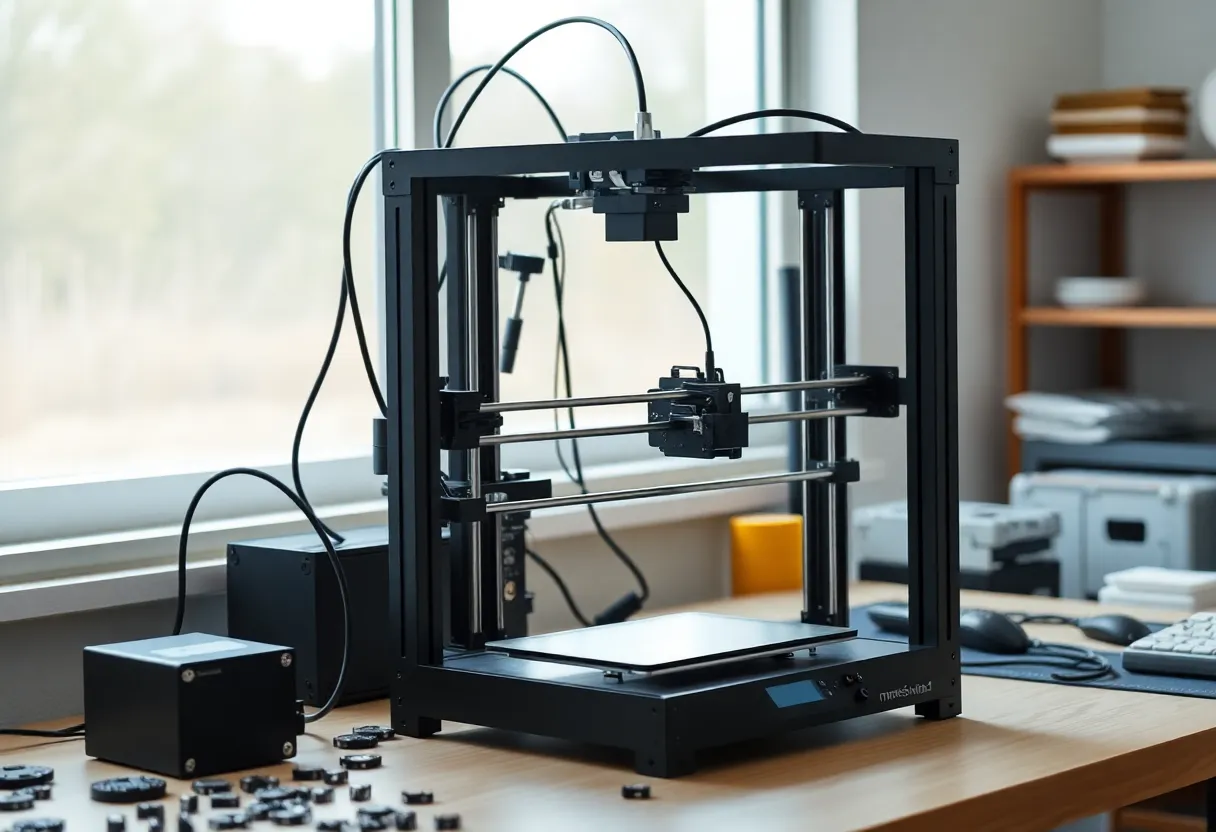
An open Prusa-style frame is honest about access. When a nozzle weeps, you see it. When a belt skips, you hear it without a door muffling the sound. When you want to swap a hotend, you are not negotiating with panels, magnets, and cable routes designed around a sealed silhouette. For a first printer, that honesty is underrated. Learning happens faster when the machine does not hide its moving parts behind a product shell.
The cost of honesty is environment. Drafts from a HVAC vent will ruin a tall ABS print on an open bed. Summer humidity and winter cold show up as first-layer drama. You will eventually invent your own enclosure—cardboard, IKEA lack hacks, printed hinges—because the physics did not care that you preferred an open aesthetic. At that point you have paid twice: once for the open machine, again for the box you bolted on.
So the first-box decision is really a forecast. If your next twelve months of parts are PLA organizers, cosplay props, and PETG brackets that live indoors, open-frame pragmatism wins more often than Instagram suggests. If your parts list already includes ASA mounts for a bike, or you live with someone who will not tolerate a roaring gantry in the living room, the enclosed appliance starts looking like the cheaper path even when the sticker price is higher.
When the closed box matters more than brand lore
Pick enclosure first when three conditions stack.
- Material ambition. You already know you want ABS/ASA-class strength or you hate reprinting warped corners.
- Shared air. The printer lives where people sleep, work, or eat. Containment and quieter perceived noise matter.
- Throughput over tinkering. You would rather load filament and press print than celebrate a weekend of PID tuning.
Under those conditions, Bambu’s enclosed machines often feel like the direct answer. They are not magic; they still jam, still need nozzle changes, still punish wet filament. But the default experience assumes a chamber and a fast path to a finished part. Prusa’s enclosed offerings can meet the same physics goal with a different ownership story—more open documentation habits, a repair ecosystem that assumes you will keep the machine for a long time, and a community that treats mods as normal rather than warranty theater.
If only one or two of those conditions are true, pause. Plenty of makers are happier with an open Prusa that they understand completely, then a later enclosure kit, than with an appliance they are afraid to open. Fear of the inside of the machine is how printers become furniture.
Speed, defaults, and the illusion of skill
Enclosed “modern” printers often ship with aggressive speeds and profiles that look like competence on day one. That is a product design win. It is also a teaching risk. You can ship a dozen good PLA prints and still not know what a Z-offset feels like when it is wrong. Open-frame culture historically forced you to learn bed leveling, belt tension, and first-layer judgment because the machine would not paper over every mistake.
Neither path is morally superior. If your goal is household utility—hooks, organizers, replacement knobs—fast defaults are a gift. If your goal is to become the person friends call when a print fails, the slower learning curve of a more transparent machine can pay rent later. Just do not confuse factory speed with understanding. The chamber does not teach; it only stabilizes temperature.
Multi-material, AMS, and the enclosed lifestyle tax
Color changing and multi-material systems love enclosures because the whole filament path becomes part of a sealed product story. That is convenient until a feed path clogs and the fix involves more disassembly than a simple Bowden tube. For a first enclosed printer, ask whether you truly need multi-color this year. Many buyers pay for the AMS fantasy and then print monochrome PETG for six months. The enclosure still helps those PETG parts. The multi-color hardware becomes a shelf of complexity you are not using.
Prusa’s multi-material history is its own saga of tubes, towers, and patience. The point is not which brand “won” multi-material. The point is that enclosure-plus-multi-material stacks complexity. If you are still learning what a wet spool smells like when it ruins a layer, add one variable at a time.
Serviceability: the argument that shows up on month four
Month one is about first prints. Month four is about a heat break clog on a Sunday evening. Enclosed appliances can be serviceable—many are—but the design priority was often the sealed silhouette and the guided workflow. Open frames prioritize access because access was the product. When you evaluate Bambu versus Prusa for a first enclosed machine, read the nozzle-change guides before you read the speed charts. Ask how many screws stand between you and a cold pull. Ask whether spare parts are a normal order or a scavenger hunt.
Prusa’s reputation here is earned in the boring way: documentation, spare parts culture, and a user base that expects to wrench. Bambu’s reputation is earned on shipping a coherent enclosed experience that just works until it does not. Your personality matters. If you enjoy wrenching, do not buy a machine that makes wrenching feel like voiding a consumer product. If you hate wrenching, do not romanticize an open frame you will never maintain.
Noise, smell, and the apartment veto
Enclosures help with perceived noise and with keeping smells somewhat contained, but they are not a laboratory fume hood. ABS still smells. Fine particles still exist. If your “workshop” is a bedroom corner, materials choice and ventilation matter more than brand loyalty. An enclosed PLA/PETG machine in a lived-in room is a different ethical and comfort question than an enclosed ABS machine in a garage with a window cracked. Buy the box that matches the room you actually have, not the room in the product photo.
A practical decision rule
Use this without overthinking it.
Choose the enclosed appliance path (often Bambu-shaped) if you need chamber stability soon, you value fast successful prints over deep machine literacy, and you accept that some repairs will feel like appliance service rather than open-source tinkering.
Choose the open-or-enclosable Prusa-shaped path if you want maximum access and longevity of understanding, you can live with PLA/PETG first (or you will build/buy an enclosure deliberately), and you care about a repair culture that assumes you will keep the machine through several hotend generations.
Choose enclosure as the feature, brand as secondary if your materials already demand a chamber. In that case, compare specific enclosed SKUs on chamber behavior, spare parts, and how the vendor expects you to clear a jam—not on forum tribal signals.
For a true first enclosed printer, the closed box matters more than the open frame when temperature-sensitive materials or shared living space are already on the table. The open frame matters more when your first year is about learning the machine as a machine. Brand names are just how those contracts get packaged.
What I would tell a friend this weekend
If you already ordered ASA filament “to try,” buy enclosed and stop arguing with drafts. If you are still deciding whether 3D printing is a hobby or a household tool, an honest open machine you are not afraid to open will teach you faster—and you can enclose it later with intention. If someone in the house has already issued a noise veto, the sealed silhouette is part of the peace treaty, not a flex.
Ignore the purity contests. A printer that ships parts you use beats a printer that ships discourse. The chamber is a tool for heat. Buy the tool when heat is the problem. Buy the open frame when learning and access are the problem. Everything else is commentary.