Why Commercial Fishing Quotas Are So Hard to Enforce at Sea

Zara Lindholm
July 9, 2026
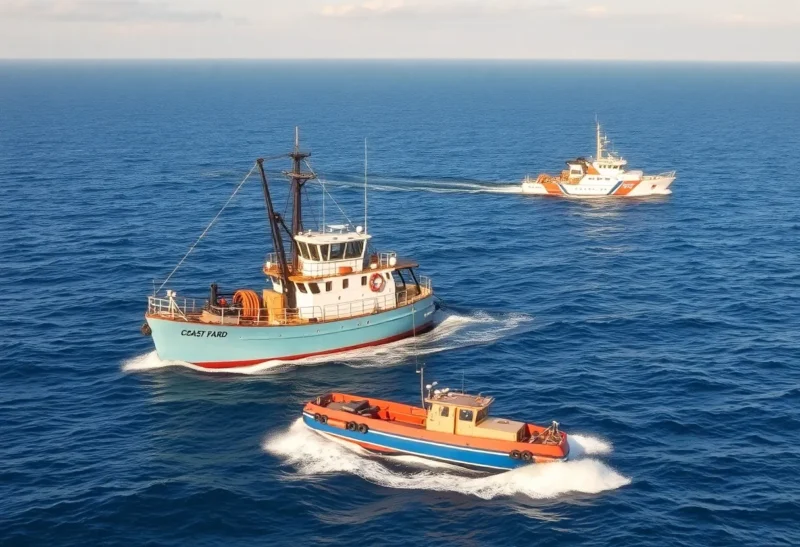
Commercial fishing quotas — legal limits on how much of a specific fish species a vessel, company, or country is permitted to catch within a given time period — are a foundational tool fisheries management authorities use to prevent overfishing and support long-term sustainable fish population levels. Despite widespread adoption of quota systems across major commercial fisheries worldwide, actually enforcing these limits at sea remains a genuinely difficult practical challenge, and the specific reasons enforcement lags behind quota-setting policy reveal a lot about why fisheries management remains such a persistently difficult problem even where the underlying policy framework is reasonably well-designed.
Why the Ocean’s Sheer Scale Fundamentally Limits Direct Enforcement
The most basic enforcement challenge is simply one of scale — the ocean areas where commercial fishing occurs, including a country’s exclusive economic zone extending well offshore from its coastline, cover an enormous physical area that even well-resourced national fisheries enforcement agencies cannot realistically patrol comprehensively using patrol vessels and aircraft alone, meaning most fishing activity at any given moment occurs without any enforcement vessel or aircraft anywhere near enough to directly observe it.
This fundamental coverage gap means direct, physical enforcement presence can realistically only address a small fraction of total fishing activity happening across a large fishery at any given time, forcing fisheries enforcement agencies to rely heavily on indirect methods — satellite vessel tracking, mandatory catch reporting, dockside inspection when vessels return to port, and market-level supply chain traceability requirements — to achieve any kind of meaningful enforcement coverage across the vast majority of fishing activity that direct patrol presence simply can’t reach.
How Satellite Vessel Tracking Has Improved But Not Solved the Problem
Modern fisheries enforcement increasingly relies on satellite-based vessel tracking systems, including automatic identification system (AIS) transponders that many commercial vessels are legally required to carry and keep active, providing enforcement agencies and researchers with a genuinely valuable, continuously updated picture of where tracked vessels are operating that wasn’t available before this tracking technology became widespread.
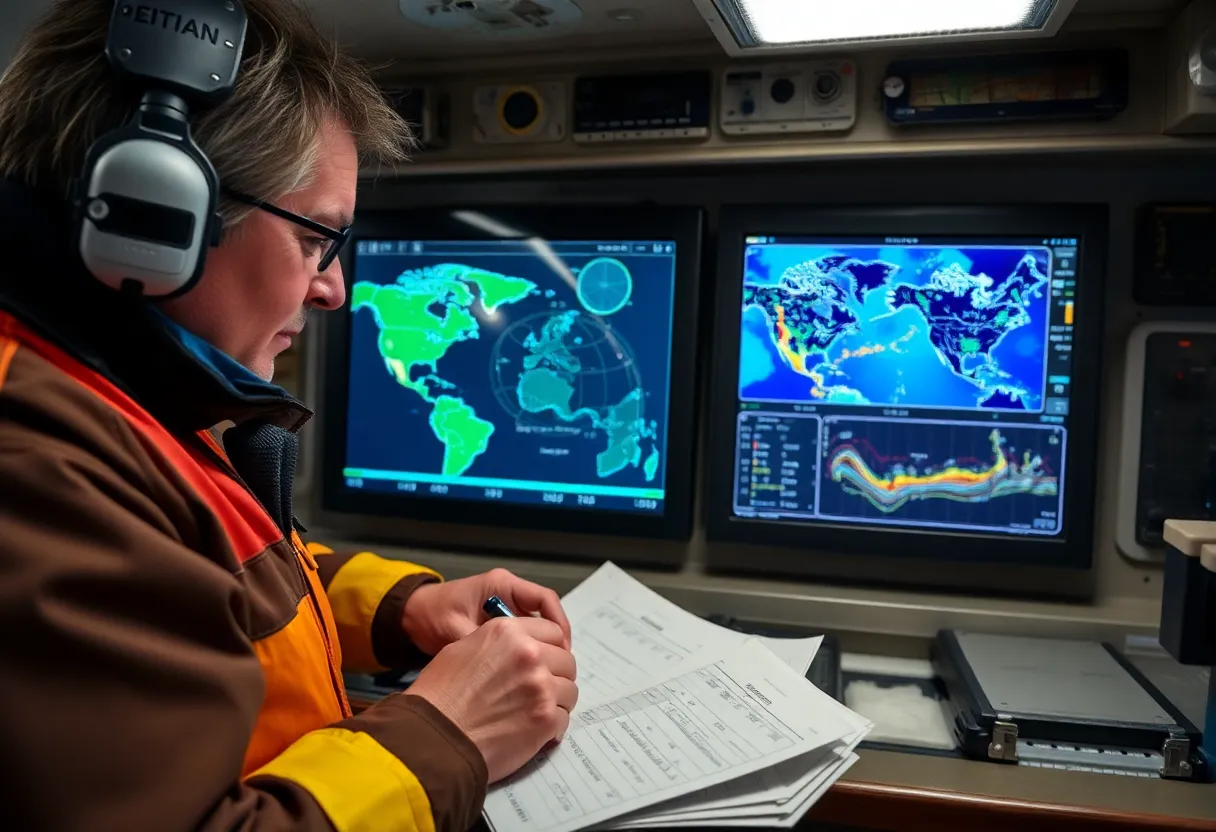
However, this tracking system has real, well-documented limitations that keep it from being a complete enforcement solution on its own — vessels engaged in illegal fishing activity can and sometimes do deliberately disable or manipulate their tracking transponders specifically to avoid being monitored during illegal fishing activity, and even fully accurate vessel location tracking alone doesn’t directly reveal what species or how much fish a vessel is actually catching at a given location, meaning satellite tracking is a genuinely valuable enforcement tool for identifying suspicious vessel behavior patterns worth further investigation, but it doesn’t substitute for actual catch verification.
Why Verifying Actual Catch Composition and Volume Is Its Own Distinct Challenge
Even when enforcement authorities can confirm where and when a vessel was fishing, verifying that a vessel’s actual catch matches its legally required quota limits and reporting requirements generally requires either direct physical inspection of the catch itself (practically limited to the relatively small share of vessels that enforcement agencies can physically board and inspect, either at sea or when vessels return to port) or relying on the vessel’s own self-reported catch data, which creates an obvious incentive problem, since a vessel that has caught more than its legal quota allows has a direct financial incentive to underreport its actual catch rather than accurately disclosing quota violations.
This self-reporting incentive problem is a major reason fisheries enforcement has increasingly emphasized dockside and market-level verification methods — inspecting actual physical catch when vessels unload at port, and increasingly, supply chain traceability requirements that attempt to verify a fish product’s actual origin and catch documentation as it moves through processing and distribution to retail markets — specifically because these verification points offer more reliable opportunities to check reported catch data against physical reality than relying purely on at-sea vessel behavior monitoring or self-reported catch logs alone.
Why International Waters and Jurisdictional Gaps Compound the Problem
Fisheries enforcement becomes substantially more complicated once fishing activity moves beyond a single country’s exclusive economic zone into international waters or areas where multiple countries’ jurisdictional claims overlap or remain disputed, since enforcement authority and legal jurisdiction over fishing activity in these areas depends on a more complex web of international agreements, regional fisheries management organizations, and flag-state responsibility (the principle that a fishing vessel is primarily subject to the laws and enforcement authority of the country whose flag it flies, regardless of where it’s actually fishing) that can create genuine enforcement gaps when flag states lack the capacity, resources, or political will to actually enforce quota compliance against their own registered vessels operating in distant waters.
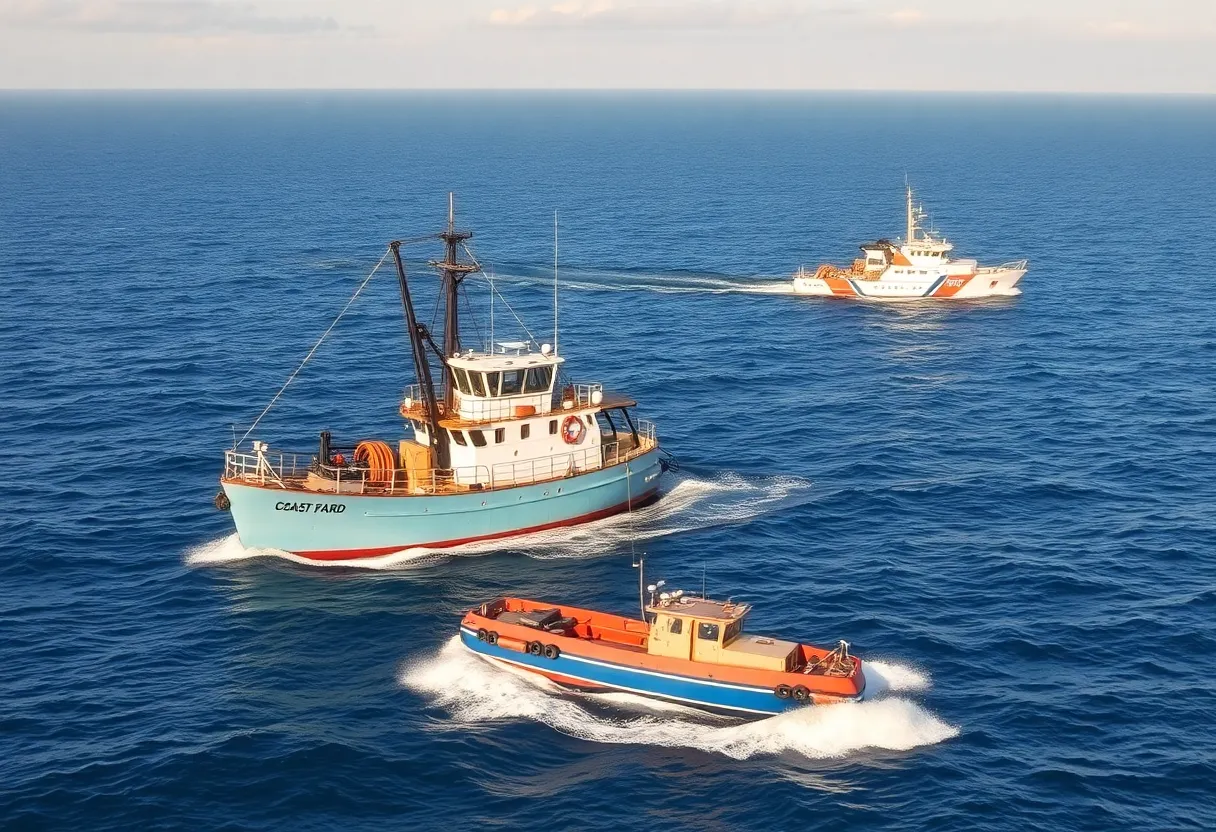
This jurisdictional complexity has been specifically exploited by some vessels engaged in illegal, unreported, and unregulated fishing, sometimes described using the flag of convenience practice, where a vessel registers under a flag state specifically chosen for lax enforcement rather than any genuine operational connection to that country, a well-documented pattern that international fisheries governance efforts have targeted through stronger port-state enforcement measures and international cooperation agreements, though genuine enforcement gaps in this area persist.
Why Continued Investment in Layered Enforcement Approaches Remains Necessary
Given that no single enforcement method — direct patrol presence, satellite tracking, dockside inspection, or supply chain traceability — fully solves fisheries quota enforcement on its own, fisheries management authorities and international cooperation efforts have generally converged on layered enforcement strategies that combine multiple methods specifically to compensate for each individual method’s particular limitations, recognizing that meaningfully improving overall enforcement effectiveness requires closing gaps across this entire chain rather than expecting any single enforcement technology or method to solve the problem comprehensively on its own. This layered, imperfect approach reflects the genuine, ongoing difficulty of enforcing fishing quotas across an enormous, only partially observable ocean environment where the underlying incentive to exceed legal catch limits remains persistent regardless of how well-designed the quota policy itself may be.