Why Search-and-Rescue Dog Training Takes Longer Than Most People Expect

Futurion Editorial
July 9, 2026
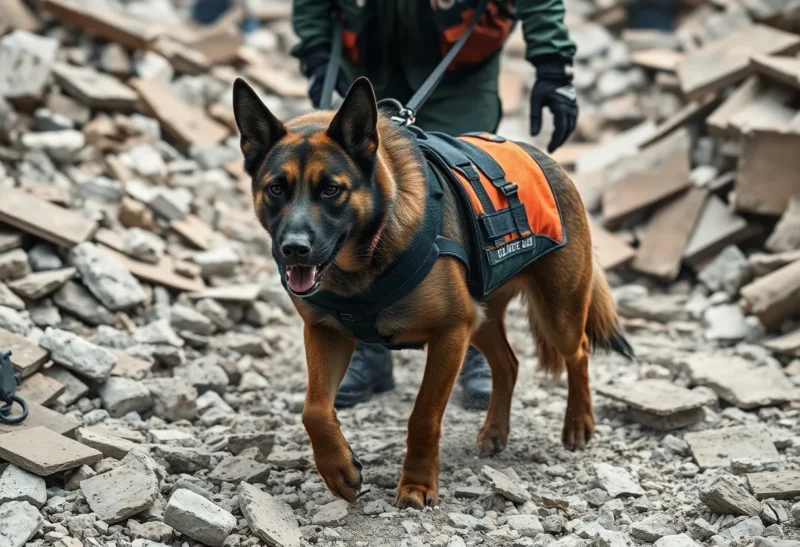
Fully certifying a search-and-rescue dog for operational deployment typically takes well over a year of dedicated training, and often closer to two years for more demanding specialties like human remains detection or disaster rubble search, a training timeline that surprises many people who assume a dog’s natural scenting ability should make search-and-rescue training a comparatively quick process. The reality is that raw scenting ability, while a genuine prerequisite, represents only a small fraction of what actually needs to be trained and proven before a dog and handler team is ready for real operational deployment.
Why Raw Scenting Ability Isn’t the Hard Part
Dogs’ scenting capability is genuinely remarkable and represents real innate biological capacity rather than something that needs to be taught from scratch — a dog’s olfactory sensitivity to specific scent compounds relevant to search work is substantially beyond human capability without any specialized training at all. This is precisely why search-and-rescue training doesn’t primarily focus on teaching dogs to detect scent in some generic sense; it focuses on channeling that existing innate scenting capability into specific, reliable, and precisely communicated search behaviors that a handler can trust and act on in genuinely high-stakes operational conditions.
The actual training challenge lies in building a dog’s ability to systematically and reliably search a defined area using scent, distinguish the specific target scent type relevant to their specialty (live human scent for wilderness or urban search, decomposition scent for human remains detection, or other specialized scent categories) from the wide range of other scents present in a real search environment, and communicate a genuine find to their handler through a clear, consistent, and unambiguous trained alert behavior that the handler can distinguish reliably from a false alert or the dog simply engaging in normal exploratory behavior.
Why Building a Reliable Alert Behavior Takes So Long
Training a dog to perform a consistent, unambiguous alert behavior specifically when they’ve located their actual target scent, and specifically not perform that alert behavior in response to other scents or general excitement, requires extensive repetition across a very wide range of search scenarios and environmental conditions to build the kind of deeply reliable behavioral consistency that operational search-and-rescue work demands.

This matters enormously because a false alert during a real search operation carries genuine operational costs — search teams might redirect substantial resources toward a location a dog falsely indicated, delaying the broader search effort and potentially missing the actual target’s true location while resources are misallocated toward the false lead — meaning training programs specifically prioritize alert reliability and consistency over almost any other single training outcome, accepting that reaching genuinely high reliability standards requires substantially more repetition and time than simply establishing a basic, occasionally-reliable alert behavior would.
Why Environmental Generalization Adds Substantial Additional Training Time
A dog trained to reliably alert on target scent in a single, familiar training environment doesn’t automatically generalize that reliable performance to genuinely novel environments and conditions without extensive additional training specifically designed to build that generalization capability — a dog needs deliberate exposure to searching across a wide range of terrain types, weather conditions, distracting scent environments, and physical search challenges (rubble, dense forest, water-adjacent terrain, depending on the dog’s specific search specialty) to develop reliable performance across the actual range of conditions real operational deployments might involve.
This generalization training requirement is a major reason why search-and-rescue training programs deliberately rotate training locations and conditions extensively throughout a dog’s training program rather than concentrating training in a single consistent location, since a dog that performs excellently in one familiar training environment but hasn’t been deliberately exposed to a sufficiently wide range of other conditions may perform substantially less reliably when actually deployed to a real search location with different terrain, scent, and environmental characteristics than their primary training environment.
Why the Handler’s Training Timeline Matters as Much as the Dog’s
Search-and-rescue certification isn’t actually a dog-only achievement — it certifies a specific dog-and-handler team, since a handler needs to develop their own substantial skill set in parallel with the dog’s training, including learning to accurately read their specific dog’s individual body language and behavioral cues well enough to distinguish a genuine alert from ambiguous or exploratory behavior, and developing search planning and search area coverage strategy skills that meaningfully affect real search operation effectiveness independent of the dog’s own scenting and alerting reliability.
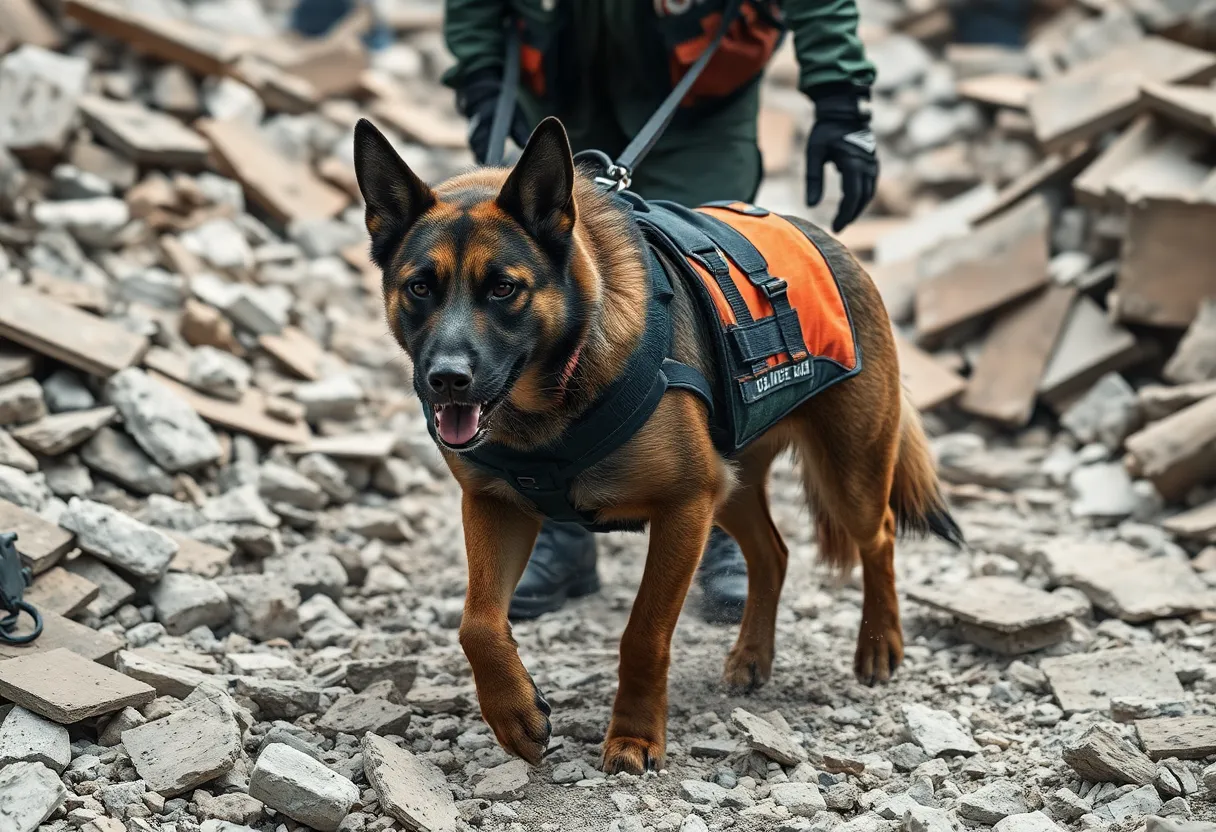
This dual training requirement — a highly reliable dog and an equally well-trained handler who can effectively interpret and act on that dog’s signals under real operational pressure — is a major reason why search-and-rescue training programs generally can’t meaningfully shortcut the overall training timeline by simply training the dog faster, since the handler’s own skill development runs on a training timeline that similarly requires extensive hands-on practice and experience to reach the reliability standard operational deployment demands.
Why Certification Standards Remain Deliberately Rigorous
Search-and-rescue certifying organizations have generally converged on demanding, multi-stage certification testing specifically because the operational stakes of deploying an insufficiently reliable dog-and-handler team are genuinely serious — both in terms of potentially missing an actual search target due to unreliable search performance, and in terms of the broader search effort’s credibility and resource allocation decisions being affected by an unreliable team’s false or missed indications. This combination of demanding reliability requirements across both scent detection specificity, alert behavior consistency, environmental generalization, and handler skill development is precisely why the full search-and-rescue certification timeline consistently runs well beyond what people unfamiliar with the field’s actual training requirements tend to expect going in.