Why Vertical Farming Startups Are Pivoting From Lettuce to Pharmaceuticals

Futurion Editorial
July 9, 2026
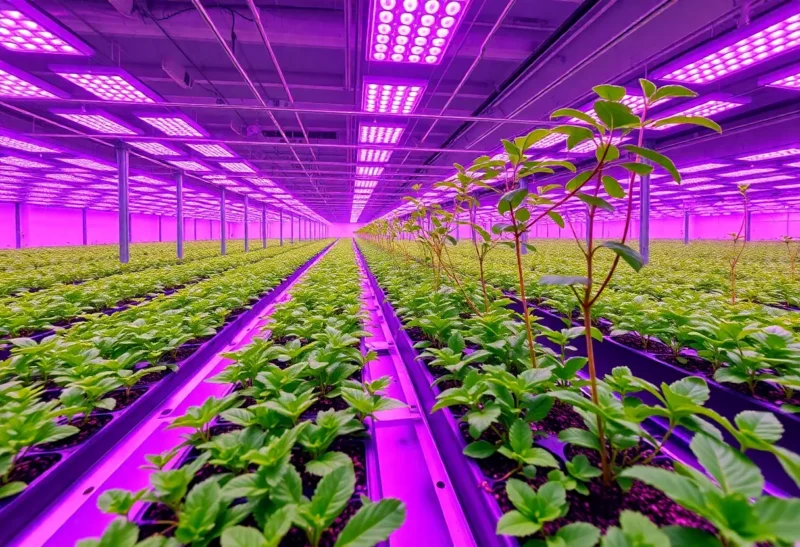
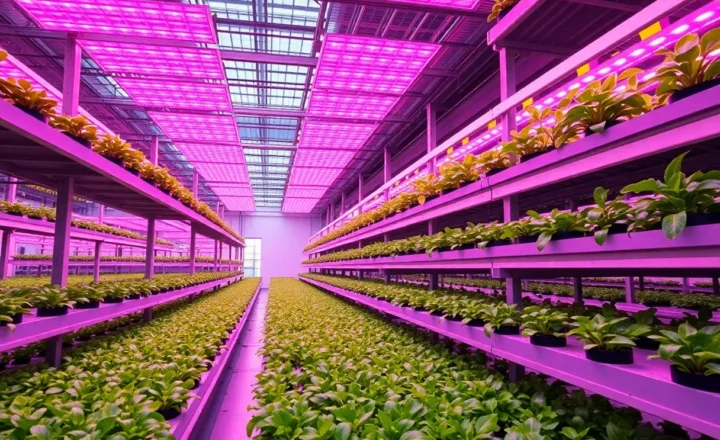
Indoor vertical farming was supposed to be a straightforward answer to a straightforward problem: grow leafy greens closer to cities, using stacked hydroponic or aeroponic systems under LED lighting, cutting transportation costs and water use compared to traditional field agriculture. Billions of dollars in venture capital poured into the category over the past decade on that exact premise. A meaningful number of those same companies have spent the last few years quietly pivoting away from lettuce, herbs, and other high-volume, low-margin produce entirely, redirecting their controlled-environment growing expertise toward a very different customer: pharmaceutical and nutraceutical companies looking for precisely controlled plant-based compound production. Understanding why reveals a lot about where vertical farming’s actual technical strengths lie, separate from where its original business pitch assumed they would matter most.
Why the Original Lettuce-and-Greens Business Never Quite Worked
The core economic problem that has plagued vertical farming’s leafy-greens business model is a genuinely difficult one: leafy greens are a commodity product with thin margins in traditional field agriculture, and vertical farming’s real advantages — precise climate control, no weather risk, no pesticide need, faster growth cycles, and proximity to urban markets reducing transportation cost and spoilage — have to overcome a cost structure burdened by enormous capital expenditure on building and equipping a facility, plus the substantial ongoing energy costs of running LED lighting and climate control systems, most of which traditional outdoor field agriculture simply doesn’t have to pay at all.
Several of the most prominent, well-funded vertical farming companies, including some that raised hundreds of millions of dollars in venture funding on the promise of revolutionizing urban produce supply chains, have gone through highly publicized financial distress, layoffs, facility closures, or outright bankruptcy over the past several years, and post-mortem analyses from industry observers and financial journalists covering these failures have converged on largely the same core diagnosis: the actual unit economics of growing high volumes of low-margin greens indoors, even with genuine operational efficiency gains, simply couldn’t overcome the fundamental capital and energy cost disadvantage against conventional field agriculture at the price points commodity produce buyers were willing to pay.
Why Pharmaceutical Applications Fit the Same Technology Much Better
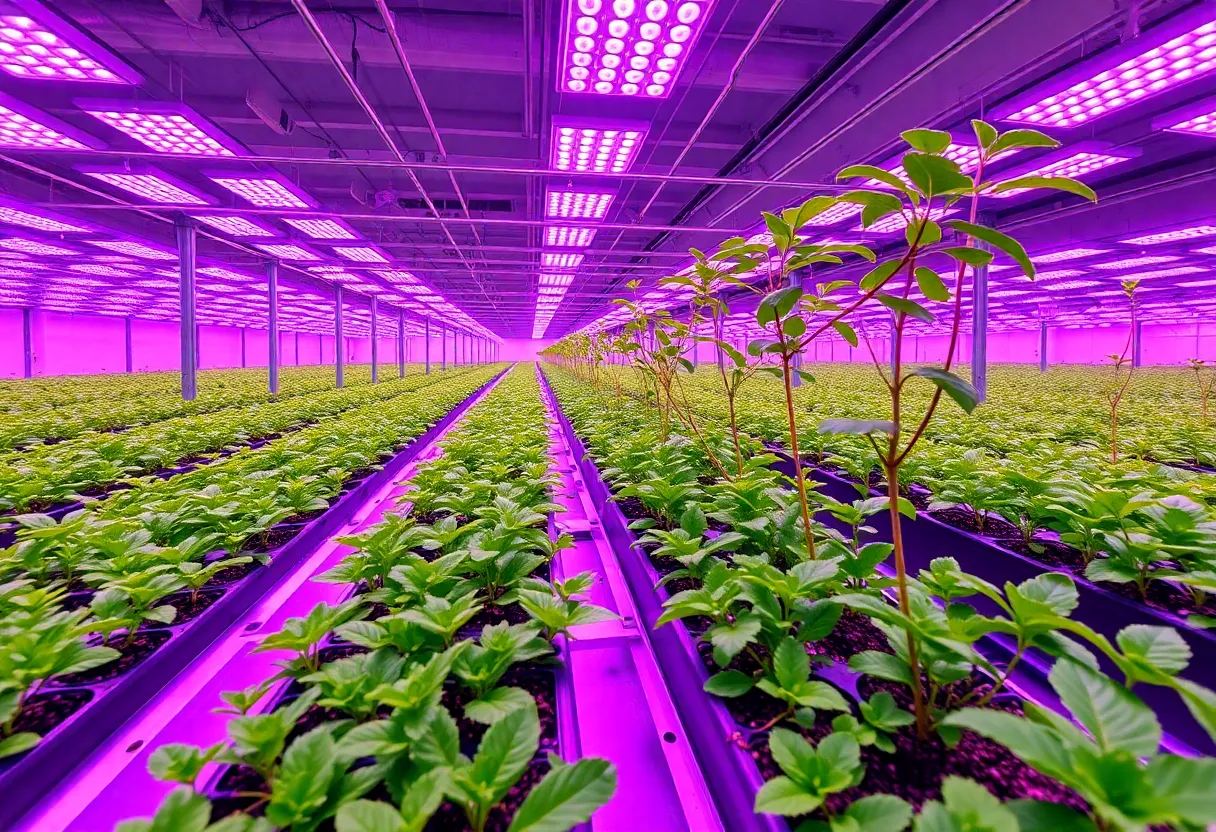
What makes the pivot toward pharmaceutical and nutraceutical plant production a genuinely coherent business strategy, rather than a desperate unrelated pivot, is that it plays directly to the exact capabilities vertical farming technology is actually best at, while sidestepping the commodity-pricing problem that sank the leafy-greens business case. Pharmaceutical-grade plant compound production doesn’t compete on commodity produce pricing at all — it competes on consistency, purity, and the ability to reliably produce a specific, precisely dosed concentration of a target medicinal or nutraceutical compound, batch after batch, which is precisely what controlled-environment agriculture’s core technical advantage — total control over light spectrum, nutrient delivery, temperature, and humidity — is uniquely well suited to deliver, far more reliably than field-grown crops subject to genuine weather and soil variability from season to season and location to location.
Many medicinally or nutraceutically valuable plant compounds are produced by plants in response to specific environmental stressors or precisely tuned growing conditions, and vertical farming’s ability to deliberately manipulate light spectrum, intensity, and timing, along with nutrient and water stress levels, gives growers a genuinely powerful tool for optimizing a plant’s specific compound production in ways that field agriculture, at the mercy of actual weather and soil conditions, simply cannot replicate consistently. This is a meaningfully different value proposition than “cheaper or fresher lettuce” — it’s closer to “a manufacturing process for a specific biological compound with pharmaceutical-grade reproducibility,” which changes the entire economic conversation from commodity competition to specialized, higher-margin production where customers are willing to pay considerably more for consistency and purity guarantees that field agriculture can’t reliably offer.
Where This Pivot Has Actually Gained Real Commercial Traction
Cannabis cultivation was, in practice, the first major commercial application that demonstrated this pivot’s viability, since legal cannabis production has long depended heavily on indoor, controlled-environment growing specifically to achieve the consistent cannabinoid concentrations and product uniformity that commercial cannabis buyers and regulators require, and several vertical farming companies with backgrounds in leafy-greens production have directly transferred their controlled-environment engineering expertise into cannabis cultivation facility design and operation, finding a considerably more favorable margin structure in that market than commodity produce ever offered.
Beyond cannabis, several vertical farming and controlled-environment agriculture companies have moved into producing specific medicinal plants and plant-derived compounds under contract for pharmaceutical and nutraceutical companies, including production of specific botanical extracts used in dietary supplements and, in a smaller but growing number of cases, plants being investigated or used as production platforms for specific therapeutic compounds where the plant itself is functioning essentially as a biological manufacturing system for a target molecule, an application area that overlaps with the broader and separately growing field of plant-based biopharmaceutical production, sometimes called molecular farming, which has its own distinct research history but benefits from exactly the same controlled-environment growing infrastructure that vertical farming companies already built and refined for their original leafy-greens business.
The Regulatory Pathway That Actually Rewards This Pivot
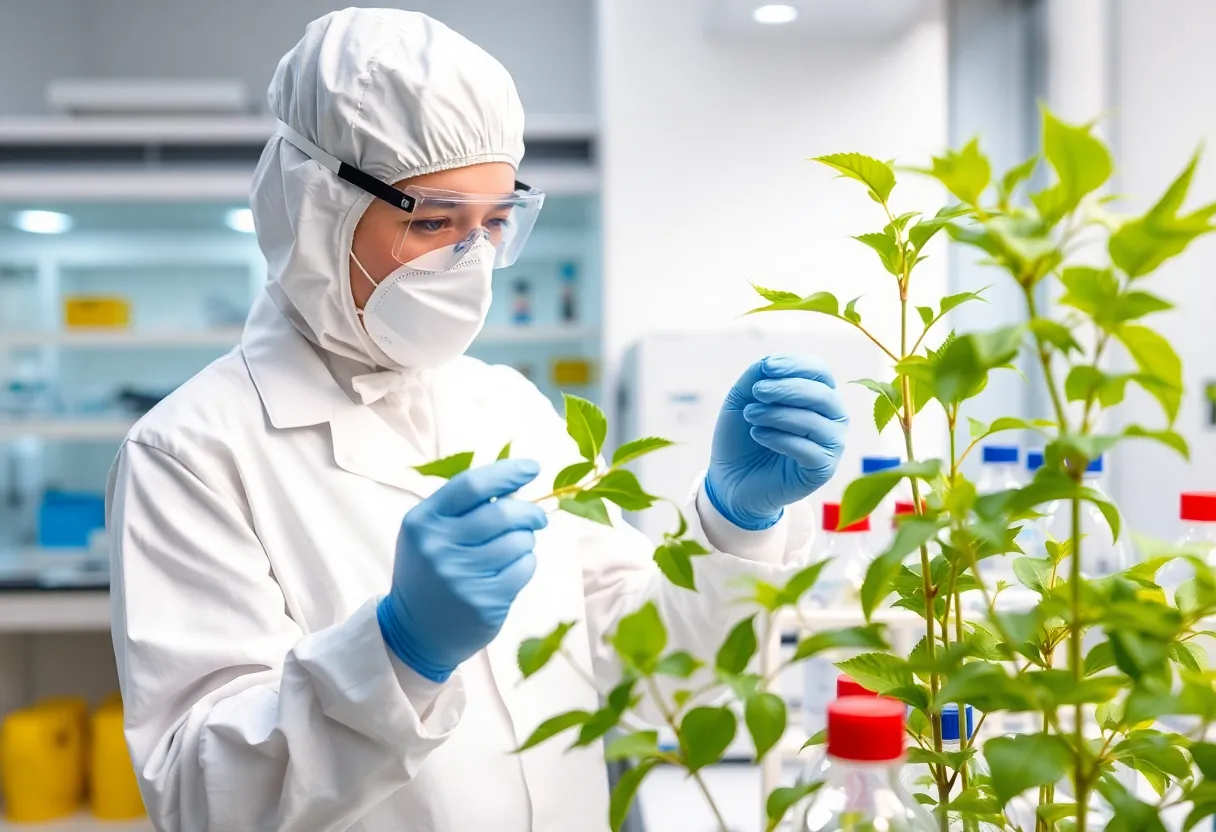
An underappreciated factor making this pivot commercially attractive is that pharmaceutical and nutraceutical-grade production is subject to regulatory quality standards, including good manufacturing practice requirements enforced by health regulators, that specifically reward exactly the kind of precise, documented environmental control and reproducibility that vertical farming facilities were already engineered to provide for entirely different reasons. A vertical farming facility that had built extensive environmental monitoring, data logging, and precise control systems primarily to optimize lettuce growth cycles and reduce energy costs finds that same infrastructure directly transfers into meeting pharmaceutical manufacturing documentation and consistency requirements, since regulators in this space specifically want to see exactly the kind of detailed, controllable, and auditable growing conditions that vertical farming’s core technology stack already produces as a natural byproduct of its original design purpose.
What This Pivot Says About the Technology More Broadly
The broader lesson from vertical farming’s pivot away from commodity produce and toward specialized, higher-value plant compound production is a fairly common pattern in capital-intensive technology sectors: a technology can be genuinely sound and capable while still having been initially deployed against the wrong specific market, one where the technology’s real advantages don’t actually translate into a winning cost structure against established competition. Vertical farming’s precise environmental control was never really best suited to competing on price against commodity field agriculture for low-margin greens — it was always better suited to applications where consistency, purity, and reproducibility command a genuine premium that customers are willing to pay for, and pharmaceutical and nutraceutical plant production turned out to be exactly that kind of application, waiting for an industry that had already built the right underlying technology, just aimed at the wrong initial market, to find it.