How Grain Elevator Dust Explosions Shaped Modern Agricultural Safety Codes

Futurion Editorial
July 9, 2026
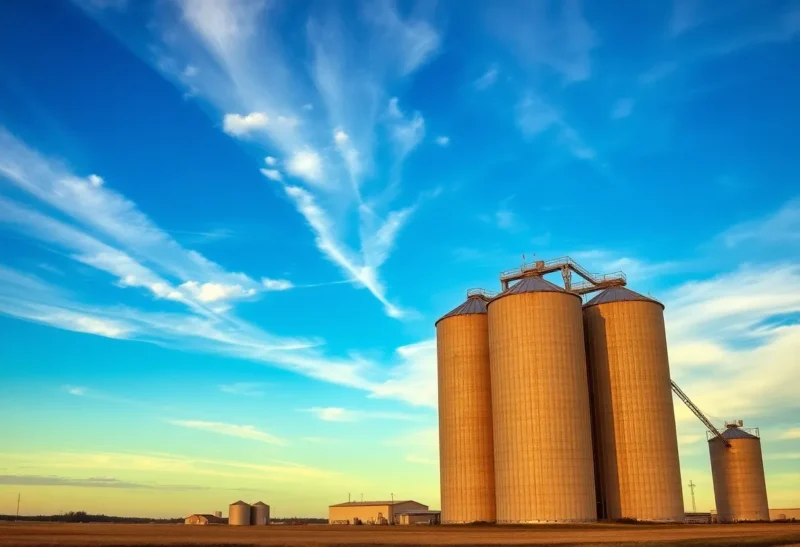
Grain dust — the fine particulate that accumulates naturally during grain handling, storage, and transfer — doesn’t look like an explosive hazard to most people encountering it casually, but it’s genuinely capable of producing explosions powerful enough to level entire grain elevator structures, and a series of catastrophic incidents through the 20th century, most significantly a cluster of major explosions in December 1977 that killed dozens of workers across multiple separate facilities within weeks of each other, directly drove the development of the specific dust control and explosion prevention standards that now govern grain handling facility design and operation.
Why Grain Dust Is Explosive in a Way That Isn’t Intuitive
Combustible dust explosions occur because finely divided particulate material, when suspended in air at the right concentration, presents an enormously larger total surface area for combustion than the same material in bulk form, allowing it to burn extremely rapidly rather than the slower, more contained burning most people associate with solid organic material like grain. When grain dust becomes suspended in sufficient concentration within an enclosed space — inside a grain elevator’s storage silos, handling equipment, or connecting structures, where dust naturally accumulates from the friction and movement of grain during loading, unloading, and conveying — a single ignition source (a spark from mechanical equipment, static electricity discharge, or overheated machinery bearings) can trigger a rapid deflagration.
The genuinely dangerous mechanism that turns a single dust ignition into a catastrophic multi-explosion event is what safety engineers call a secondary explosion cascade: an initial, often relatively contained explosion generates a pressure wave that dislodges additional accumulated dust from surfaces throughout the facility, creating a fresh, larger dust cloud that then ignites from the same initial explosion’s flame front, producing a second, often much larger explosion, which can in turn dislodge still more dust and trigger further explosions cascading through connected structures. This cascade mechanism is precisely why grain elevator explosions have historically caused damage and structural destruction far beyond what the initial ignition event alone would suggest, and why explosion prevention engineering specifically targets breaking this cascade mechanism rather than only trying to eliminate ignition sources.
The 1977 Explosions That Directly Triggered Regulatory Action
December 1977 saw a particularly severe cluster of major grain elevator explosions across multiple separate facilities in different states within a short span, killing dozens of workers and destroying significant grain handling infrastructure, a concentration of catastrophic incidents severe enough to draw sustained congressional and regulatory attention to grain dust explosion hazards in a way that had proven difficult to achieve through the industry’s longer prior history of smaller, more scattered incidents.
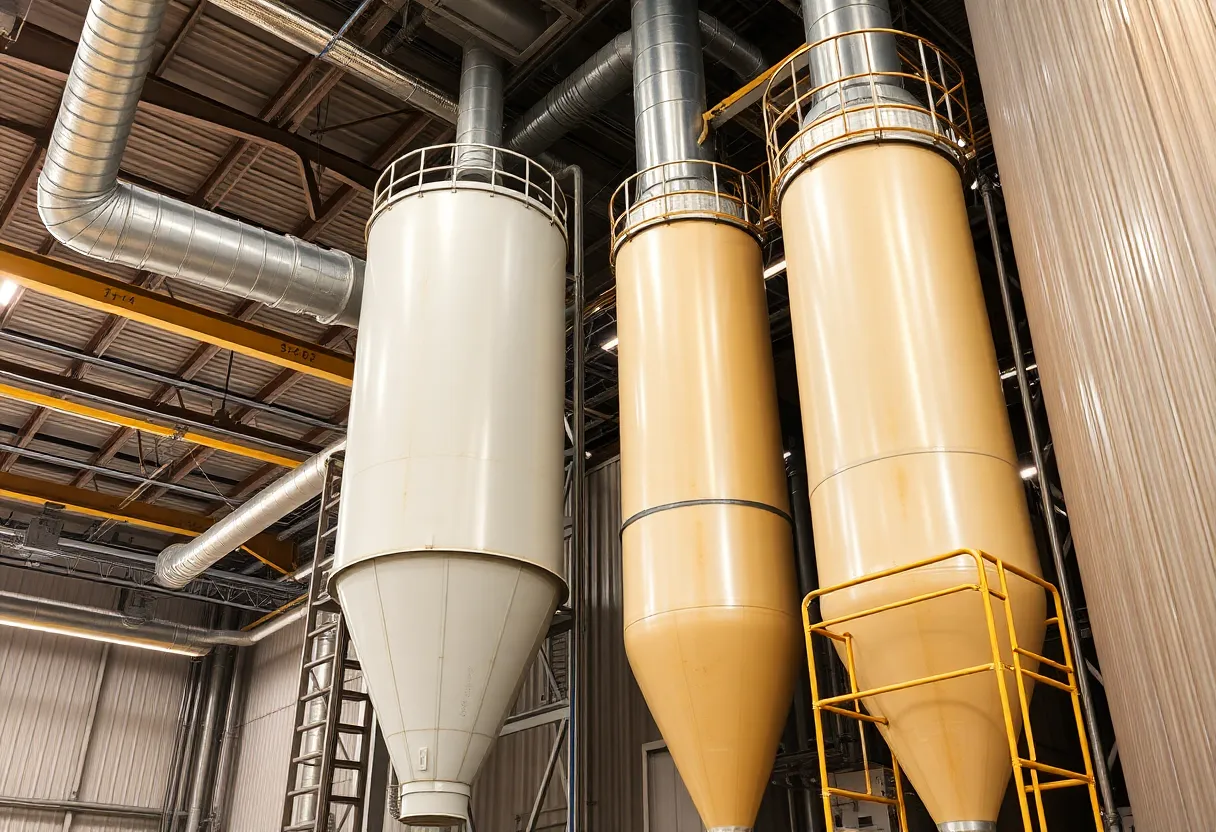
This regulatory attention directly led to OSHA’s development and 1987 adoption of the Grain Handling Facilities Standard, a specific regulatory standard establishing formal requirements for dust control, housekeeping practices, hot work permit procedures, and equipment safety features specifically targeting grain elevator explosion risk, representing one of the clearer examples in industrial safety regulatory history of a concentrated cluster of catastrophic incidents directly producing a specific, targeted regulatory response within a relatively short subsequent timeframe.
What the Resulting Safety Standards Actually Require
The dust control and explosion prevention requirements that emerged from this regulatory response target the explosion cascade mechanism specifically at several distinct points. Housekeeping and dust accumulation limits require regular, systematic cleaning to prevent dust from accumulating on surfaces throughout a facility to the degree that would fuel a secondary explosion cascade if a primary ignition event occurred, since a facility with well-controlled ongoing dust accumulation has meaningfully less fuel available to feed a cascading explosion sequence compared to a facility where dust has been allowed to accumulate on structural surfaces over time without regular removal.
Beyond housekeeping, the standards require specific equipment and design features including explosion venting (structural design elements that allow pressure to vent outward in a controlled way during an explosion rather than the pressure building up destructively within an enclosed structure), ignition source control procedures (formal hot work permitting for any welding or similarly spark-generating maintenance activity, and equipment maintenance protocols specifically targeting bearing overheating and other mechanical ignition risks), and dust collection systems designed to actively capture and remove dust from equipment and work areas rather than relying purely on passive settling and manual cleaning.
Why This Regulatory Framework Required Industry-Specific Engineering
Grain dust explosion prevention couldn’t simply borrow wholesale from general industrial combustible dust safety standards, because grain handling’s specific operational characteristics — continuous, large-volume material movement through interconnected structures, seasonal storage requirements, and the sheer physical scale of grain elevator facilities compared to many other combustible dust environments — required genuinely tailored engineering solutions specific to how grain actually moves through and gets stored within these facilities.
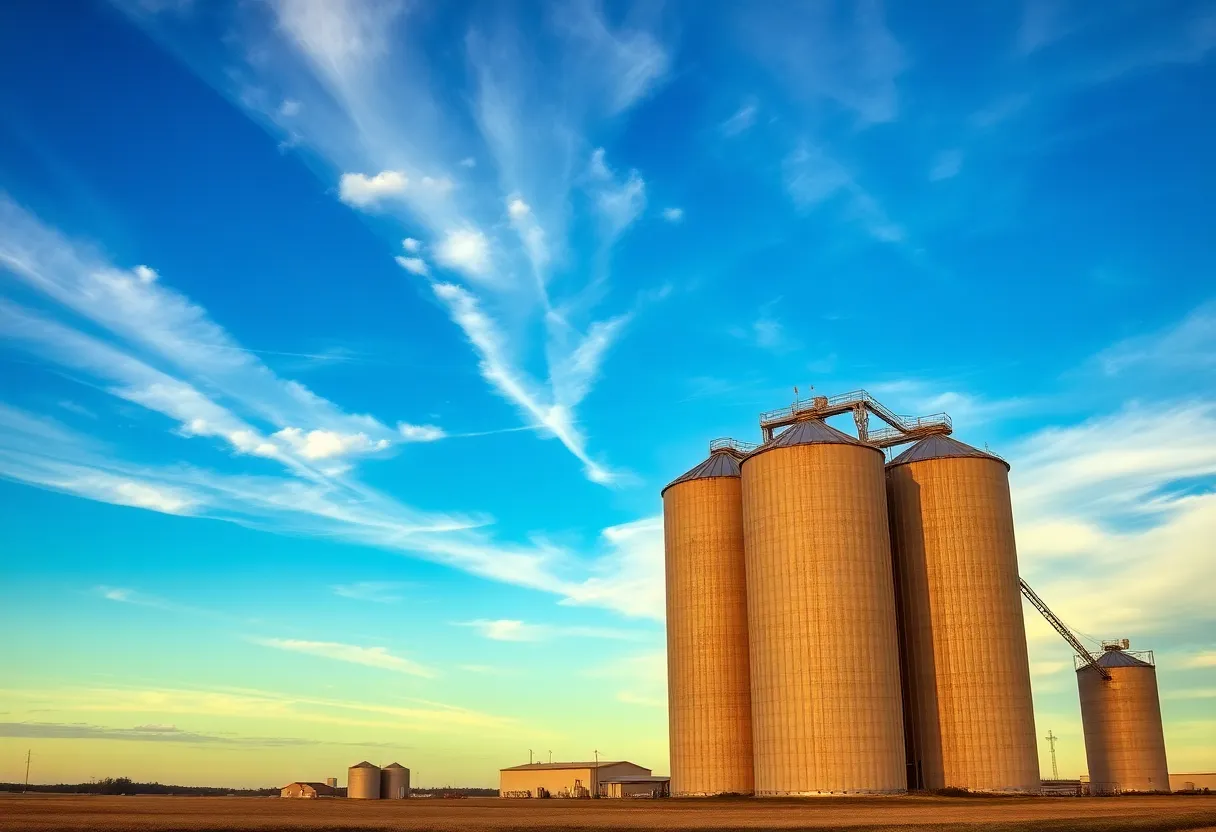
This is part of why grain handling facility safety engineering developed as its own specialized subfield within industrial safety and combustible dust hazard engineering more broadly, with dedicated professional expertise, industry association safety guidance (including detailed technical standards from organizations like the National Fire Protection Association’s NFPA 61 standard specifically addressing agricultural and food processing facility fire and dust explosion prevention), and continued incremental refinement of specific engineering practices as the industry has accumulated additional incident investigation data and safety engineering research since the 1987 standard’s original adoption.
Why Incidents Still Occur Despite Decades of Regulatory Development
Despite this substantial regulatory and engineering development, grain dust explosions haven’t been entirely eliminated, and periodic incidents still occur, generally traced in post-incident investigations to specific compliance gaps — inadequate housekeeping practice in a specific facility, deferred equipment maintenance that allowed a mechanical ignition source to develop, or inadequate hot work permitting enforcement during maintenance activity — rather than to fundamental gaps in the underlying safety engineering knowledge itself. This pattern, where the engineering and regulatory framework is well-established but real-world incidents still trace back to compliance and enforcement gaps at the individual facility level, is a common feature of mature industrial safety regulation generally, and it’s part of why continued OSHA inspection enforcement and industry safety training remain active, ongoing priorities in grain handling despite the underlying explosion prevention engineering having been well understood and codified for decades.