Why Ultrasonic Fingerprint Sensors Still Fail More Often Than Optical Ones

Priya Sharma
July 9, 2026
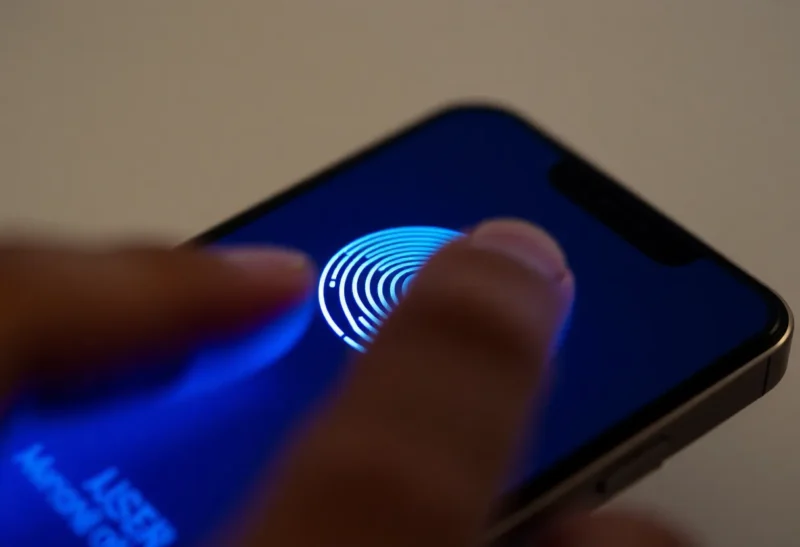
Samsung’s flagship Galaxy S series has used ultrasonic fingerprint sensors for years, marketed as the more advanced, more secure technology compared to the optical sensors most other Android manufacturers use. And yet a genuinely persistent stream of user complaints — failed unlocks with wet or dry fingers, inconsistent recognition after screen protector installation, slower unlock speed in certain conditions — has followed ultrasonic sensors across multiple device generations in a way that optical sensors, despite being the ostensibly “simpler” technology, generally don’t experience to the same degree. I’m a hardware engineer who’s spent years working on gadget design and testing, and the actual physics behind why ultrasonic sensors struggle with real-world reliability, despite genuinely superior underlying capability on paper, is a useful lesson in the gap between a technology’s theoretical advantages and its practical execution.
What Each Technology Is Actually Measuring
Optical fingerprint sensors work by using the display itself (or a dedicated light source) to illuminate a finger pressed against the screen, then capturing a 2D image of the fingerprint’s ridge pattern using a small camera sensor positioned beneath the display, essentially the same basic principle as photographing the fingerprint and running image recognition against a stored template. This approach is well-understood, cheap to manufacture at scale, and works reliably under the specific conditions it’s designed for — dry, reasonably clean fingers pressed against a display in normal ambient lighting.
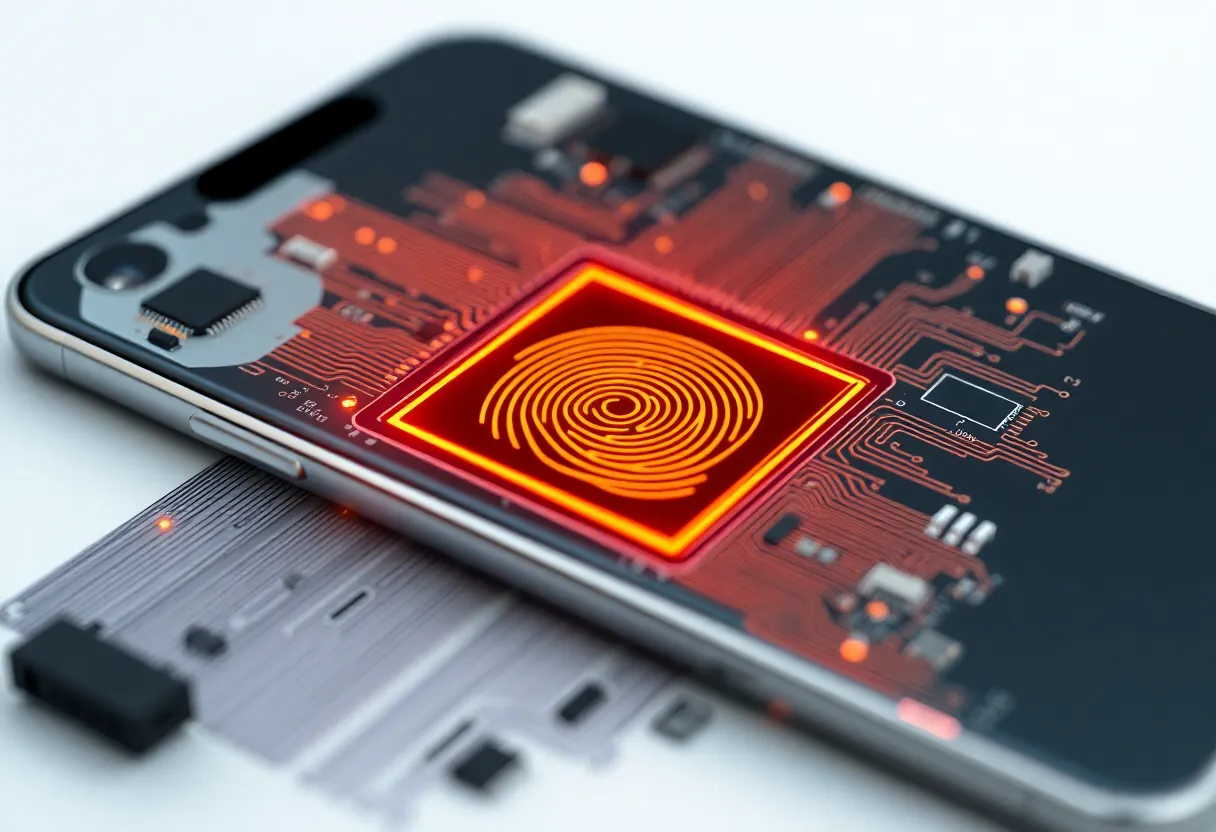
Ultrasonic sensors work on a fundamentally different and, in principle, more capable measurement approach: they emit ultrasonic sound waves that penetrate the very top layer of skin and reflect back based on the physical 3D ridge and valley structure of the fingerprint, not just the 2D surface pattern optical sensors capture. This 3D capability is why ultrasonic sensors are marketed as more secure and more resistant to spoofing using fake fingerprint molds or high-resolution photos, since a 3D ridge structure is considerably harder to replicate than a 2D printed pattern — a genuine security advantage which is well-documented and not marketing exaggeration.
Why This Theoretical Advantage Doesn’t Reliably Translate
The problem is that ultrasonic sensing’s reliance on sound wave transmission and reflection makes it considerably more sensitive to interference from substances between the sensor and the actual fingerprint ridge structure than optical sensing’s simpler 2D image capture. Water, sweat, lotion, or even certain screen protectors can distort or dampen ultrasonic wave transmission in ways that meaningfully degrade the sensor’s ability to accurately read the underlying ridge structure, whereas optical sensors, which just need enough visual contrast to distinguish ridges from valleys in a captured image, tend to be more tolerant of these same surface conditions since they’re not depending on precise acoustic wave physics to function correctly.
This is why wet-finger unlock failure has become such a specifically well-documented complaint pattern for ultrasonic sensors across multiple device generations and manufacturers — water on a finger doesn’t just add a layer for the ultrasonic wave to pass through, it can actively interfere with wave propagation and reflection in ways that confuse the sensor’s ability to reconstruct an accurate 3D ridge pattern, a failure mode that optical sensors, while not perfect with wet fingers either, generally experience less severely because they’re not depending on the same acoustic physics.
The Screen Protector Problem That’s Genuinely Underappreciated
Third-party screen protectors have become a particularly persistent source of ultrasonic sensor reliability complaints, and the underlying reason is straightforward once you understand the acoustic physics involved: any additional material layer between the display and a user’s finger introduces additional acoustic impedance mismatches that can distort or attenuate the ultrasonic signal, and not all screen protector materials and thicknesses are manufactured with the acoustic properties needed to preserve reliable sensor function. This is why manufacturers of ultrasonic-sensor phones typically publish specific compatible screen protector lists and generally warn against generic tempered glass protectors not explicitly tested and approved for use with their particular sensor implementation.
Optical sensors, which just need a screen protector transparent enough to let sufficient light through for the camera to capture a usable image, are considerably less picky about protector compatibility in practice, since light transmission is a much more forgiving requirement to satisfy than precise acoustic wave transmission, which is a genuine, meaningful practical reliability advantage for optical sensors in day-to-day use even though it doesn’t reflect any fundamental security or capability superiority over the ultrasonic approach.
Why Manufacturers Haven’t Simply Abandoned Ultrasonic
Despite these real practical reliability issues, ultrasonic sensor technology hasn’t been abandoned by manufacturers who’ve invested in it, largely because the underlying security advantage remains genuine and meaningfully differentiated, particularly as fingerprint spoofing techniques using 3D-printed molds and other physical fake fingerprint methods have become more sophisticated and accessible. Manufacturers using ultrasonic sensors have generally focused on iterative sensor hardware and software algorithm improvements — larger sensing areas that reduce the precision required in exact finger placement, improved signal processing algorithms that can better compensate for moisture and interference, and larger sensor arrays that provide more redundant data points for the recognition algorithm to work with — rather than abandoning the underlying acoustic sensing approach in favor of a technology with a genuinely lower theoretical security ceiling.
Qualcomm’s newer generation ultrasonic sensor modules, which power the fingerprint sensors in several recent flagship Android devices, have specifically targeted wet-finger performance and larger sensing area as headline improvements over earlier generations, a direct acknowledgment from the underlying chip manufacturer that these specific reliability complaints were real, measurable problems worth dedicated engineering investment to address rather than dismissible user error or edge cases.
What This Means for Actually Choosing a Phone
For most users evaluating fingerprint sensor technology as a purchase consideration, the practical reliability differences documented here matter more day-to-day than the underlying theoretical security advantage ultrasonic sensing offers, particularly for users who frequently unlock their phone with wet hands (cooking, exercising, using the phone in humid or rainy conditions) or who prefer using third-party screen protectors rather than a manufacturer’s own tested and compatible accessories. This isn’t an argument that ultrasonic sensing is a worse technology overall — the 3D security advantage is real and meaningful for security-conscious users specifically concerned about sophisticated spoofing attacks — but it is a case for taking marketing claims about sensor “advancement” with the practical caveat that theoretical technical superiority and real-world day-to-day reliability aren’t always the same thing.
The most likely trajectory here is continued incremental improvement on ultrasonic reliability rather than either technology fully displacing the other, since the underlying security-versus-reliability trade-off reflects a genuine engineering tension rather than a simple case of one approach being unambiguously better, and manufacturers on both sides have real reasons to keep investing in the specific technology they’ve already committed engineering and manufacturing infrastructure toward.