Why Some Office Buildings Are Retrofitting Elevators With AI-Based Dispatch

Futurion Editorial
July 9, 2026

The elevator call button most office workers have pressed thousands of times without a second thought is quietly being replaced in a growing number of buildings, not with a new button, but with a fundamentally different underlying dispatch logic. Destination dispatch systems, which ask a rider to select their destination floor before they even enter an elevator car rather than simply pressing an “up” or “down” arrow, have been growing steadily for over a decade, and the machine-learning-based optimization systems now layered on top of that basic concept represent a genuinely interesting case where an old, mechanically simple industry has quietly become a meaningful applied AI use case, largely without most building occupants ever noticing the shift.
Why Traditional Elevator Dispatch Was Actually a Hard Problem
Conventional elevator call systems, where a rider presses a hallway button indicating only the direction they want to travel and then boards whichever car arrives first, seem simple, but the underlying dispatch algorithm deciding which of a building’s several elevator cars should respond to which call has always been a genuinely nontrivial optimization problem, especially in taller buildings with more elevator cars serving overlapping sets of floors. The traditional approach, largely unchanged in its basic logic for decades, uses relatively simple rule-based algorithms — generally some variant of assigning the nearest available car moving in the requested direction — that work reasonably well under normal, distributed traffic patterns but perform noticeably worse during predictable high-load periods, most obviously the morning arrival rush and the lunch and evening departure rush in office buildings, when a large number of people all want service within a short window, often concentrated toward the lobby or a small number of popular floors.
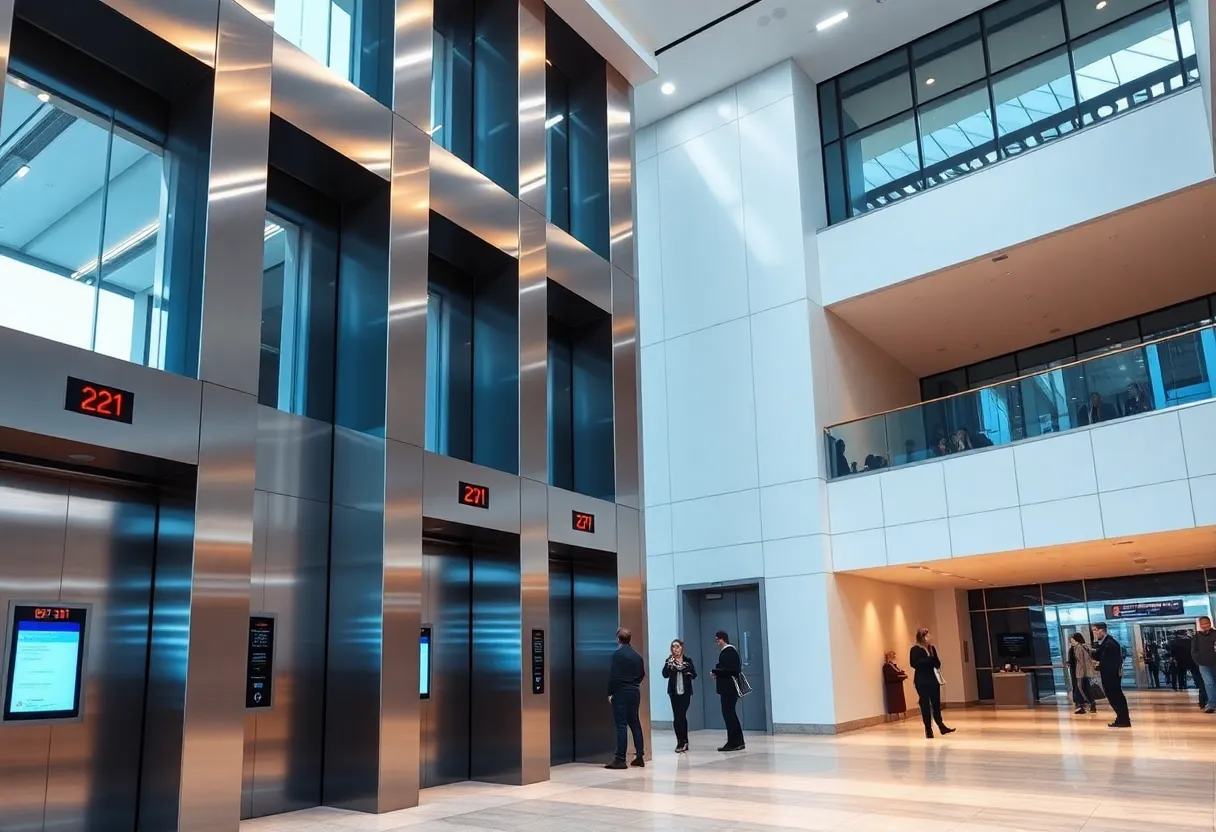
Destination dispatch technology, which requires riders to specify their actual destination floor before boarding rather than simply a direction, gives the building’s control system meaningfully more information to optimize around, because it can group riders heading to similar floors into the same car before anyone has even entered an elevator, reducing the number of intermediate stops any single car needs to make and therefore reducing average trip time across the whole building, particularly during exactly those predictable high-traffic periods where traditional dispatch struggled most.
What Machine Learning Actually Adds on Top of Destination Dispatch
Destination dispatch alone, using purely rule-based grouping logic, already delivered meaningful throughput improvements over traditional call-button systems when it was first introduced. What newer AI-based systems from major elevator manufacturers, including systems marketed by companies like Otis, Schindler, and KONE under various branded names, add on top of that baseline is predictive traffic pattern modeling that learns and adapts to a specific building’s actual usage patterns over time, rather than relying purely on real-time requests as they come in.
These systems typically ingest historical usage data specific to a building — which floors see heavy traffic at which times of day, how demand shifts on different days of the week, how large tenant move-ins or events affect typical patterns — and use that learned model to proactively pre-position elevator cars near floors where demand is about to spike, before requests even arrive, rather than only reacting to calls after they’re placed. Some of the more sophisticated deployed systems also dynamically adjust dispatch weighting in real time based on observed conditions that day, since even a well-trained historical model needs to adapt to genuine day-to-day variation, like an unusually early morning rush on a day with a major scheduled event in the building, or a shift in traffic patterns following a change in a major tenant’s office layout or headcount.
The Retrofit Challenge That Makes This Genuinely Interesting Engineering
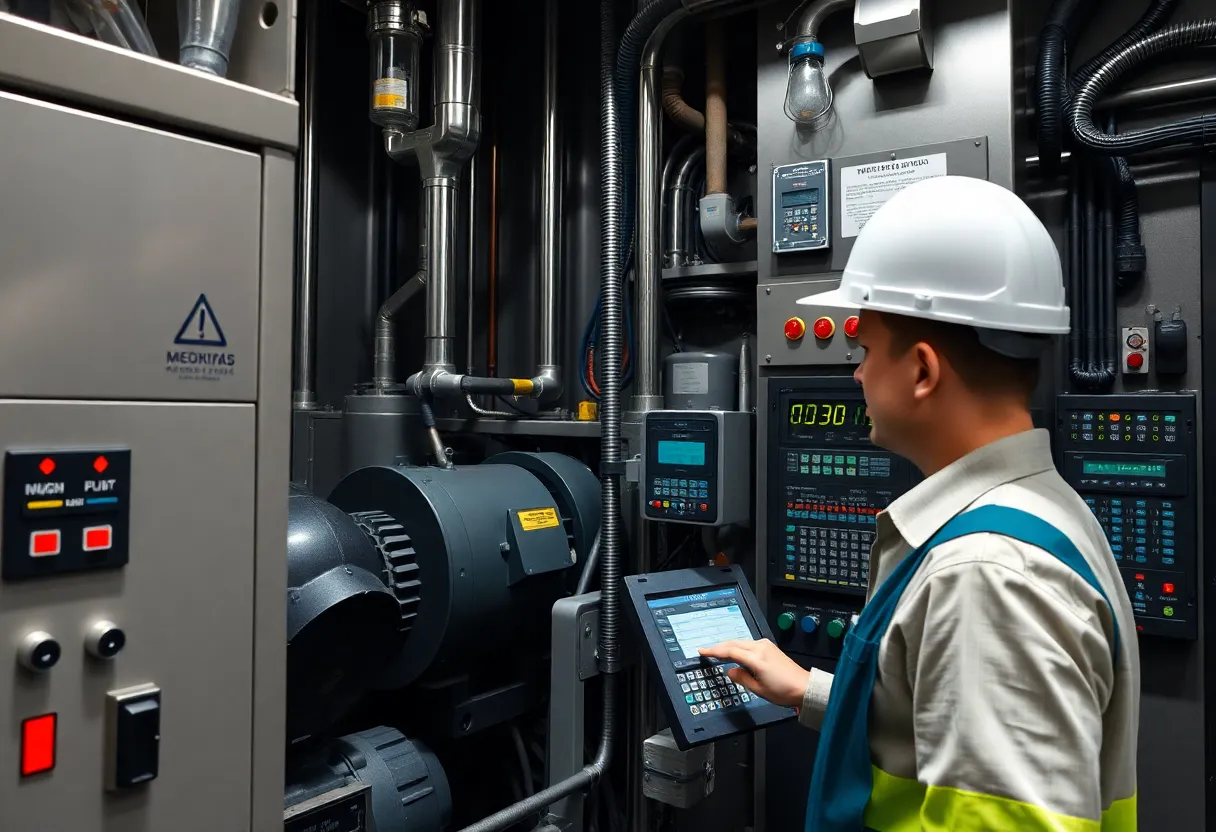
What makes this technology story more interesting than a typical incremental software upgrade is that a meaningful share of the buildings adopting these systems are retrofitting existing elevator installations rather than installing new elevators from scratch, which introduces real engineering constraints that don’t exist in new construction. Older elevator mechanical and motor control systems were often not originally designed with the sensor density, communication bandwidth, or control system flexibility that a modern AI-based dispatch system ideally wants, and elevator modernization companies have had to develop specific retrofit packages — additional sensors, upgraded control system communication interfaces, and new destination-selection input hardware in lobbies and on each floor — that can layer this new dispatch intelligence on top of existing mechanical elevator hardware that may be twenty or more years old, without requiring the enormously more expensive and disruptive full elevator replacement that a building owner would understandably want to avoid if a more modest software and control-layer retrofit can deliver most of the same benefit.
The Actual Business Case Driving Adoption
Building owners and facility managers investing in these retrofits are generally motivated by a combination of factors that go beyond simple rider convenience. Reduced average wait and travel time is the most directly marketed benefit and does show up in vendor-published performance data and independent case studies, but building owners in the current commercial real estate environment, where many office landlords are competing hard to attract tenants back amid persistently elevated vacancy rates following the broader shift toward hybrid and remote work, have also started treating elevator experience quality as a genuine tenant-attraction and retention factor worth marketing directly to prospective corporate tenants evaluating competing buildings.
Energy efficiency is a secondary but genuinely real benefit that vendors also emphasize: optimized dispatch that reduces the total number of stops and total distance traveled across a building’s elevator fleet directly reduces energy consumption, and for very large buildings running elevator banks continuously throughout business hours, this can represent a meaningful, measurable operating cost reduction over a building’s lifetime, adding a straightforward financial return justification to a technology upgrade that might otherwise be viewed purely as a rider-experience nice-to-have rather than something with a clear payback calculation attached.
An Old Industry Finding a Genuine Use for a New Technology
Elevator dispatch optimization is a useful reminder that meaningful, real-world applied AI adoption doesn’t always look like a flashy new consumer product — it often looks like a decades-old, mechanically mature industry finding a specific, well-bounded optimization problem that machine learning genuinely improves on, layered carefully onto existing infrastructure through a gradual retrofit process rather than a wholesale technology replacement. Most office workers riding these smarter elevators will likely never consciously notice the underlying system has changed at all, beyond perhaps a vague sense that the elevator wait during the morning rush feels a little less painful than it used to — which is, in some ways, exactly the sign of a genuinely well-executed piece of applied technology: it disappears entirely into infrastructure that simply works better than it did before.