Why Airport Runway Lighting Systems Are More Complex Than They Look

Stefan Wolff
July 9, 2026

From an arriving passenger’s window seat, runway lighting looks like a simple visual layout: rows of lights marking where the pavement is and where a pilot should aim. The actual engineering behind that lighting is a precisely regulated, internationally standardized system where every light’s color, position, spacing, and even flash pattern encodes specific information a pilot uses to safely land in conditions ranging from clear daylight to near-zero visibility, and the specific standards governing all of this reflect decades of aviation safety research into exactly what visual cues pilots need and when.
Why Runway Lighting Needs to Convey So Much Encoded Information
A pilot on final approach, especially at night or in reduced visibility, needs several distinct pieces of spatial and situational information almost instantaneously from the runway environment: where the runway begins and ends, how far they are from touchdown, whether they’re aligned correctly with the runway centerline, and whether they’re on an appropriate vertical descent path relative to the ground. Runway lighting systems are specifically designed so that different light colors, patterns, and configurations convey each of these distinct pieces of information simultaneously, letting a pilot process a large amount of spatial information through a quick visual read of the lighting pattern rather than needing to consciously calculate position from more basic cues alone.
This is why runway lighting isn’t a single uniform system but a layered combination of several distinct lighting subsystems, each addressing a specific piece of that information need, standardized internationally through ICAO (International Civil Aviation Organization) annexes and, in the US, through FAA advisory circulars that specify exact technical requirements for light color, intensity, spacing, and positioning.
The Approach Lighting System Does the Heaviest Lifting Before Touchdown
The approach lighting system — the extended row of lights leading up to the runway threshold, often visible from a considerable distance before an aircraft is actually over the runway itself — is specifically designed to give pilots the earliest possible visual reference for runway alignment and position during the most critical, lowest-altitude phase of an instrument approach, when visual confirmation matters most and instrument guidance alone isn’t considered sufficient for final approach in many conditions.
Different approach lighting configurations (with names like ALSF-2, MALSR, and various other standardized configurations) are specified based on the specific type of instrument approach a given runway supports and the visibility minimums that approach is certified for — a runway supporting lower-visibility Category II or III instrument approaches requires a more extensive, more precisely specified approach lighting configuration than a runway only supporting basic visual or Category I approaches, because pilots flying the lower-visibility approach categories are, by definition, relying on visual confirmation from the lighting system at a later, lower point in the approach than pilots flying less demanding approach types.
Precision Approach Path Indicator Lights Solve a Different Problem Entirely
Separate from approach and runway edge lighting, PAPI (Precision Approach Path Indicator) lights — typically a row of four light units positioned beside the runway — solve a specifically different problem: giving pilots continuous visual feedback on whether they’re on, above, or below the correct vertical glideslope angle during approach, using a clever optical design where each light unit shows white from above the correct glidepath angle and red from below it, with the specific combination of red and white lights a pilot sees at any moment directly indicating whether they need to adjust their descent angle and in which direction.
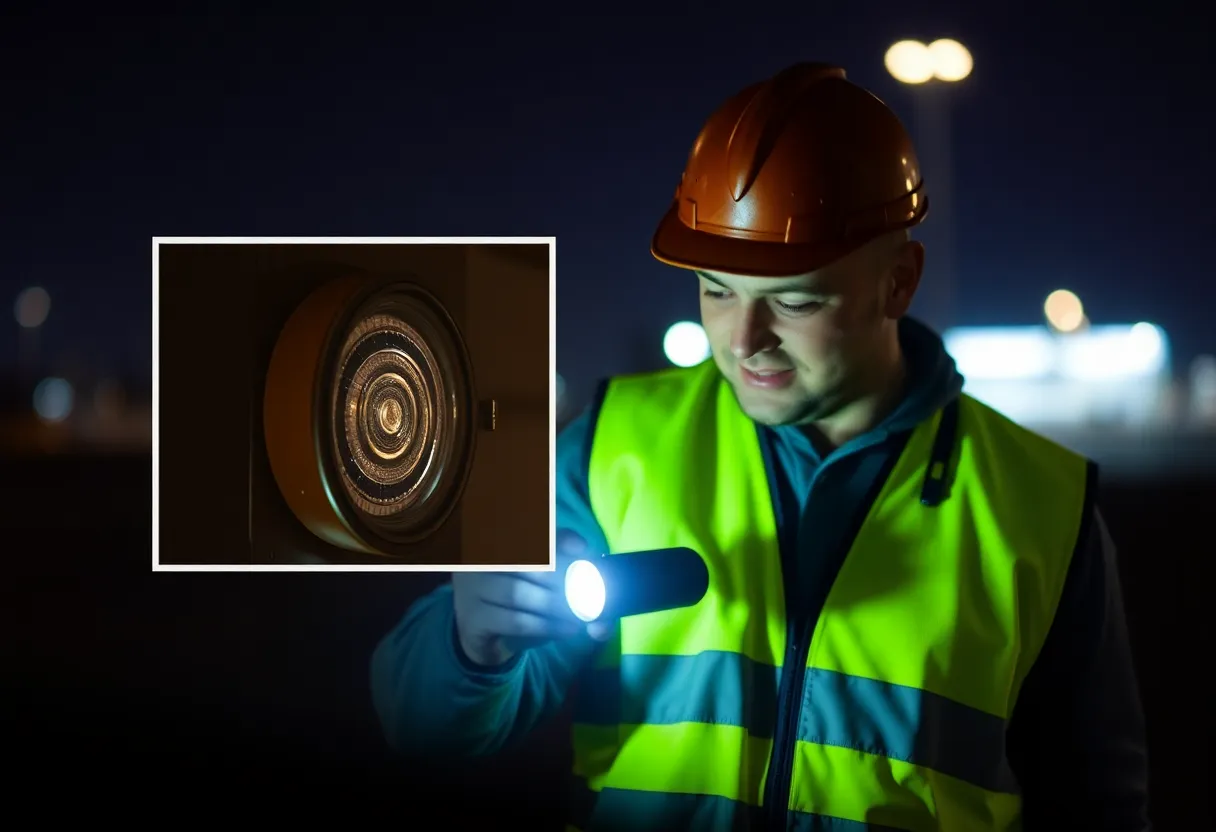
This system works through precise optical engineering within each light fixture — carefully designed lenses and light source positioning that produce a sharp transition between the white and red color zones at a very specific angular threshold — rather than through any electronic or computer-driven system, making PAPI lights a purely passive, mechanically reliable visual aid that functions correctly as long as the physical unit itself remains correctly calibrated and aimed, which is why runway lighting maintenance programs include periodic PAPI angle verification specifically as a safety-critical calibration check.
Runway Edge, Centerline, and Threshold Lighting Encode Position Information
Once an aircraft is over the runway itself, edge lighting (typically white, transitioning to yellow in the final section before the runway end to give pilots visual warning they’re approaching the departure end) marks the usable runway width, while centerline lighting on more heavily equipped runways provides more precise lateral position feedback, particularly valuable during low-visibility taxi and takeoff operations where a pilot needs more precise positional reference than edge lighting alone provides.

Threshold lighting, marking the actual start of the usable landing surface, uses a distinct green color specifically chosen to be visually unambiguous against the white and red lighting used elsewhere in the runway environment, letting pilots identify the exact touchdown zone boundary reliably even when their attention is divided across multiple other visual and instrument cues during the final seconds before touchdown.
Why Maintenance and Redundancy Requirements Are Unusually Strict
Because runway lighting functions as safety-critical infrastructure that pilots actively depend on for spatial reference during the highest-workload phase of flight, aviation regulators impose unusually strict maintenance and reliability requirements compared to typical outdoor lighting infrastructure — specified maximum allowable percentages of non-functioning individual light units before a runway’s approach category rating gets downgraded or the runway gets closed to certain operations, backup power systems ensuring lighting remains operational during electrical outages, and regular photometric testing verifying that light intensity and color haven’t degraded below certified specifications through normal wear and environmental exposure.
This strict maintenance regime is a direct reflection of how much operational and safety weight the lighting system carries during actual flight operations — a burned-out approach light or a miscalibrated PAPI unit isn’t simply a minor maintenance inconvenience the way a broken streetlight might be, but a genuine safety-relevant degradation that can directly affect a pilot’s ability to safely complete specific approach types, which is exactly why airport lighting maintenance programs operate under a level of regulatory oversight and technical rigor most other outdoor lighting systems never need to meet.