Why Time Zone Database Updates Quietly Break More Software Than You’d Think

Elena Vasquez
July 9, 2026
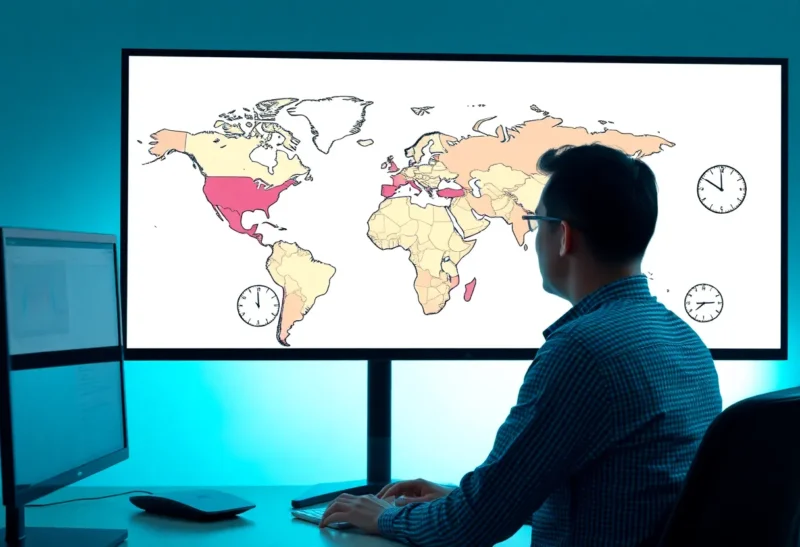
Most software developers treat time zone handling as a solved, boring problem — convert to UTC internally, apply a time zone offset for display, done. The reality is that time zones aren’t a fixed, purely mathematical property of geography the way most developers implicitly assume; they’re a constantly shifting set of political and administrative decisions that individual countries and regions change with some regularity, and keeping software correctly synchronized with those changes depends on an unglamorous but critical piece of shared infrastructure: the IANA Time Zone Database, better known by its informal name, tz database or “tzdata,” whose update cadence and adoption lag quietly cause real, sometimes serious software bugs on a fairly regular basis.
Why Time Zones Aren’t Actually Fixed, Stable Facts
A time zone’s practical definition — its offset from UTC, and critically, whether and when it observes daylight saving time transitions — isn’t a stable geographic constant; it’s a policy decision individual national and sometimes sub-national governments make and periodically change, for reasons ranging from energy policy shifts, to political alignment changes, to simple administrative preference updates. Countries change their daylight saving time rules, adjust their base UTC offset, or in some cases eliminate daylight saving time observance entirely with enough regularity that the tz database — the authoritative, community-maintained dataset most software relies on for correct time zone conversion — gets updated multiple times most years, sometimes with very short advance notice when a country announces a change close to when it takes effect.
This means any piece of software that handles date and time data involving time zones is implicitly dependent on having reasonably current tz database information to produce correct results, and that dependency isn’t a one-time setup concern — it requires ongoing update maintenance for as long as the software continues to run and process time zone data, which is precisely the part that gets overlooked often enough to cause real, recurring problems.
How the Update Actually Gets Distributed, and Where the Lag Happens
The tz database itself is maintained by a small group of volunteer contributors coordinating through a public mailing list and repository, tracking legislative and administrative time zone changes announced by governments worldwide and encoding them into the structured data format software actually consumes.
From that central source, the update has to propagate through multiple downstream distribution layers before it reaches an actual running piece of software: operating system vendors (Microsoft, Apple, various Linux distributions) package and ship tz database updates through their own update mechanisms, programming language runtimes and standard libraries (Python, Java, and others) often bundle their own copy of tz data that needs separate updating from the OS-level copy, and individual applications sometimes bundle yet another separate copy rather than relying on the system or runtime’s version at all. Each of these layers updates on its own schedule, meaning a single tz database change can take meaningfully different amounts of time to actually reach different pieces of software running on the same machine, depending on which specific distribution layer each piece of software happens to depend on.
What Actually Breaks When Updates Lag
The practical bugs that result from outdated tz data generally fall into a few recognizable categories that show up repeatedly across different software incidents over the years. Calendar and scheduling software is a particularly common victim — a meeting scheduled for a specific local time before a country changes its daylight saving time rules can display or fire at the wrong actual UTC-equivalent time if the software’s tz data wasn’t updated before the actual policy change took effect, since the software calculated the originally scheduled time using outdated assumptions about that region’s offset for the relevant date.
Flight and travel booking systems face similar exposure, since accurate departure and arrival time display depends on correct time zone data for the specific dates involved, and a booking made before a time zone rule change, displayed or processed after the change takes effect using outdated tz data, can show genuinely incorrect times to travelers. Financial systems that timestamp transactions across different regions, IoT devices with infrequent or manual update cycles, and long-running server processes that loaded tz data into memory at startup and never refreshed it during a subsequent update are all specific categories that have produced documented, real-world incidents traceable directly to tz database lag rather than any other kind of software bug.
Why Some Specific Historical Changes Caused Outsized Trouble
Certain historical time zone policy changes have caused disproportionately widespread software problems specifically because they affected large populations or major economic regions with relatively short advance notice for the software ecosystem to update. The 2007 US expansion of daylight saving time dates (moving the start and end dates earlier and later than the previous long-standing schedule) is a widely cited example that required a substantial, coordinated update effort across the software industry, since the change affected an enormous installed base of software that had daylight saving date logic effectively hardcoded around the previous schedule rather than dynamically pulling from regularly updated tz data.
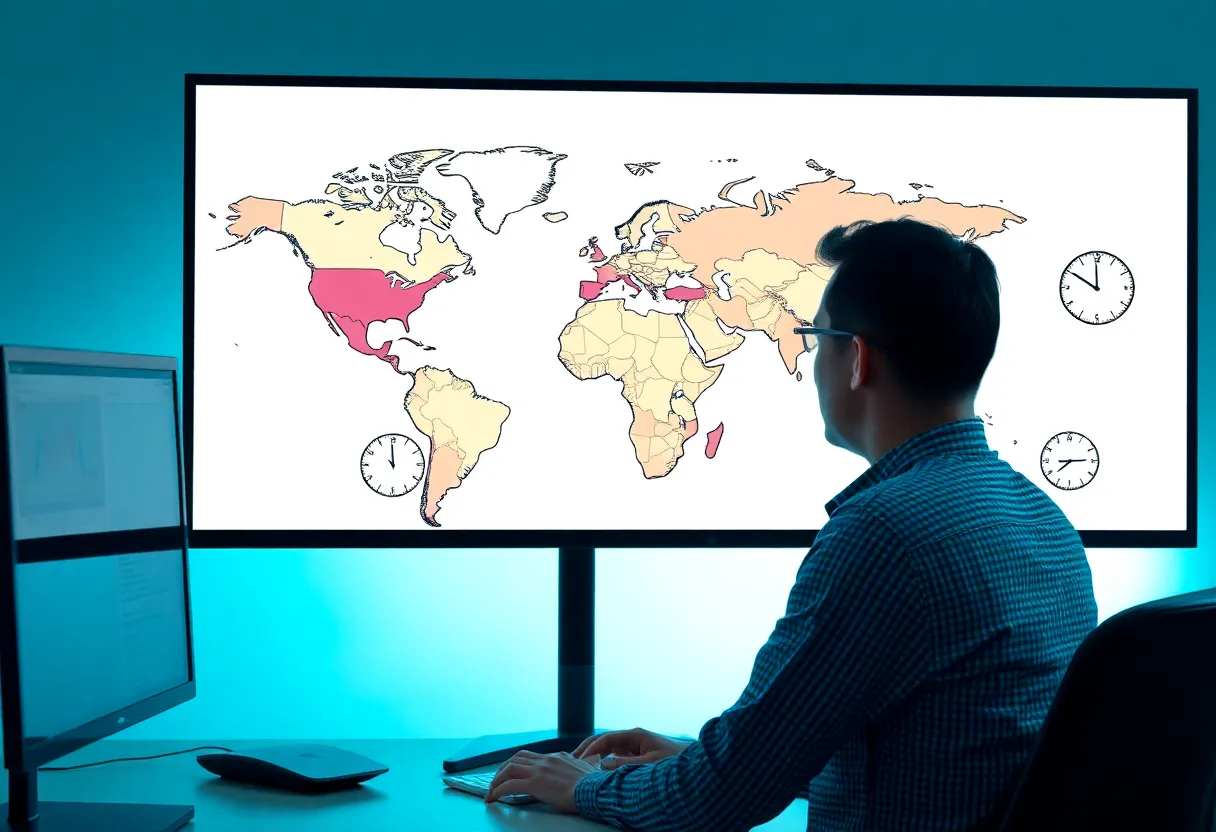
More recent examples include various countries abolishing daylight saving time entirely (several jurisdictions have made this move in recent years for energy or public health reasons) or shifting between different neighboring time zones for political or economic integration reasons, each of which required tz database updates and, more importantly for actual software correctness, required that update to actually propagate down through OS, runtime, and application layers before the affected software produced correct results for dates after the change took effect.
Why This Remains an Ongoing, Structural Software Reliability Concern
The underlying problem isn’t going away, because the root cause — individual governments retaining sovereign authority to change time zone and daylight saving policy on their own timeline, sometimes with limited advance notice specifically calibrated to domestic political considerations rather than global software ecosystem update lead time — isn’t something the software industry has any ability to influence or control. This structural reality is why experienced systems engineers treat tz database update currency as an ongoing operational maintenance responsibility rather than a one-time setup task, building automated update processes for OS-level, runtime-level, and application-level tz data specifically because manual, ad hoc updating reliably lags behind actual policy changes closely enough to produce exactly the kind of scheduling, booking, and timestamp bugs that keep surfacing whenever a government somewhere decides to adjust how it defines its own local time.