How Data Centers Are Eating the Grid—And What Comes Next

Jordan Lee
February 24, 2026
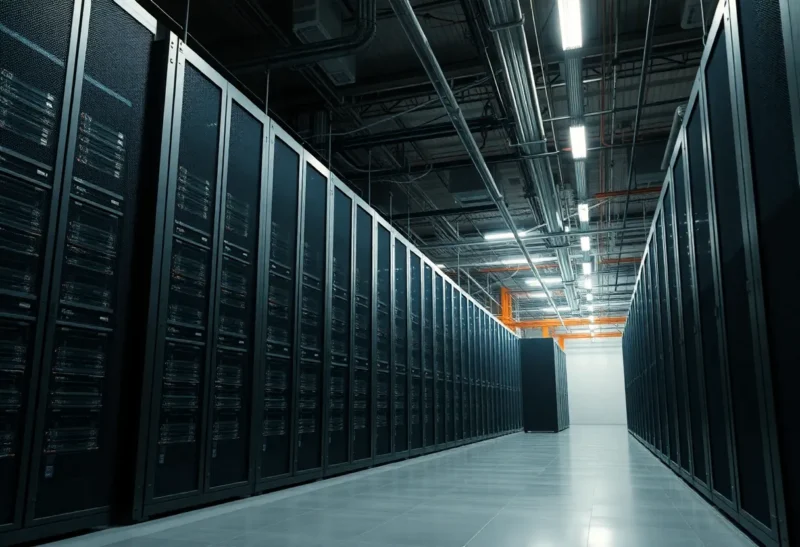
Data centers already use a significant slice of the world’s electricity, and that share is rising fast. AI training and inference, streaming, cloud computing, and the sheer growth of the internet are turning server farms into some of the largest industrial power consumers on the grid. That’s forcing a reckoning: where will the power come from, and what happens when the grid can’t keep up?
This isn’t a distant problem. Utilities and planners are already wrestling with demand spikes from new data center builds. Here’s how data centers are eating the grid—and what might come next.
The Scale of the Bite
Data centers are power-hungry by design. Servers run 24/7. Cooling can rival the draw of the compute itself. Add in the explosion of AI workloads—training large models and serving inference at scale—and growth has gone from steady to vertical in some regions. A single large campus can pull hundreds of megawatts, on par with a mid-sized city. Multiply that by the number of new facilities planned, and it’s clear why grid operators are getting nervous.
Historically, data center operators have chased cheap power and cool climates. But the best sites are filling up. New builds are pushing into areas where the grid is already tight, or where permitting and build-out of new generation and transmission are slow. The result: strain on existing infrastructure, delays for new projects, and hard questions about who gets power and at what cost.
Why This Time Is Different
Previous waves of data center growth were partly offset by efficiency gains: better chips, virtualization, and cooling. This wave is different. AI workloads are less about doing the same work with less power and more about doing vastly more compute. So even as efficiency improves, total demand can still soar. At the same time, the push for clean energy means that new demand can’t always be met by simply firing up more gas plants. Utilities have to balance reliability, cost, and emissions—and data centers are now a central variable in that equation.
What Comes Next
On-site and dedicated generation. Large operators are increasingly signing long-term contracts for renewables, building their own solar and wind, or investing in nuclear. The goal is to lock in supply and, in many cases, meet sustainability targets. Not every data center can do this, but the biggest players are moving in this direction.
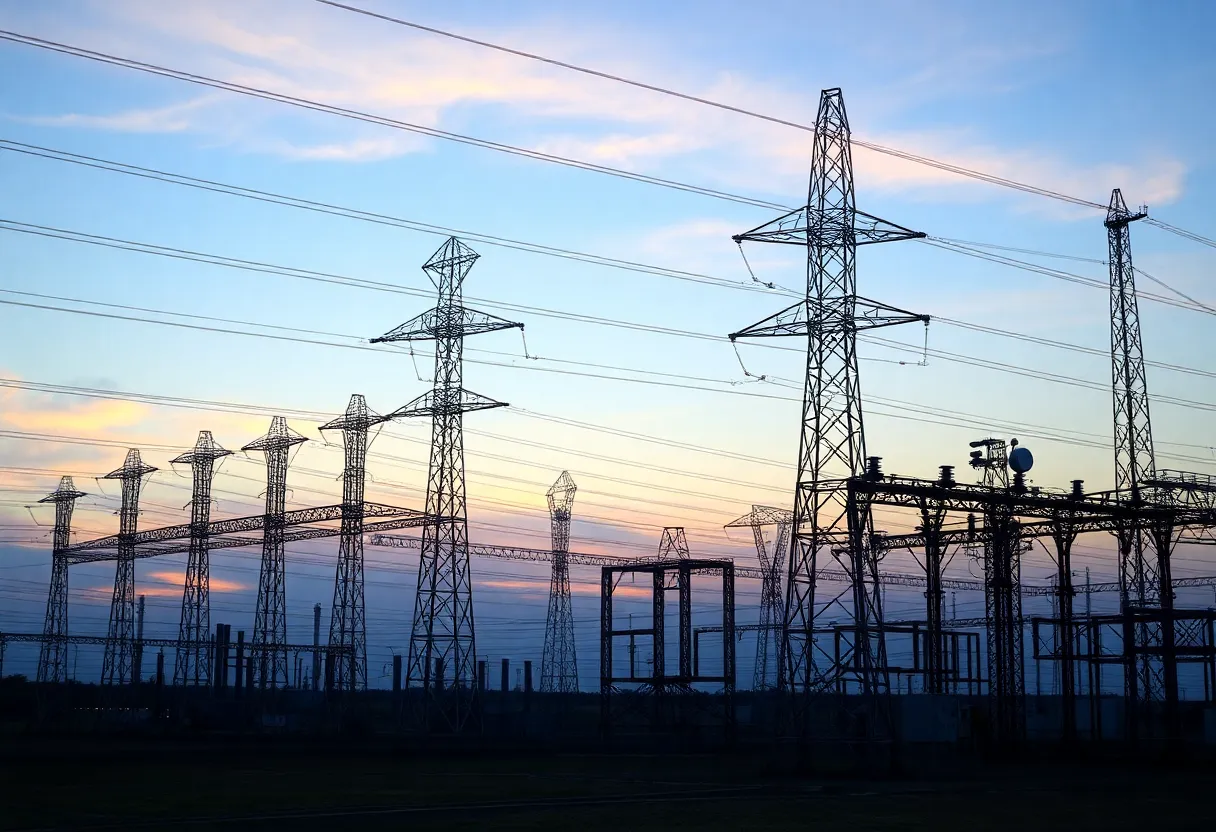
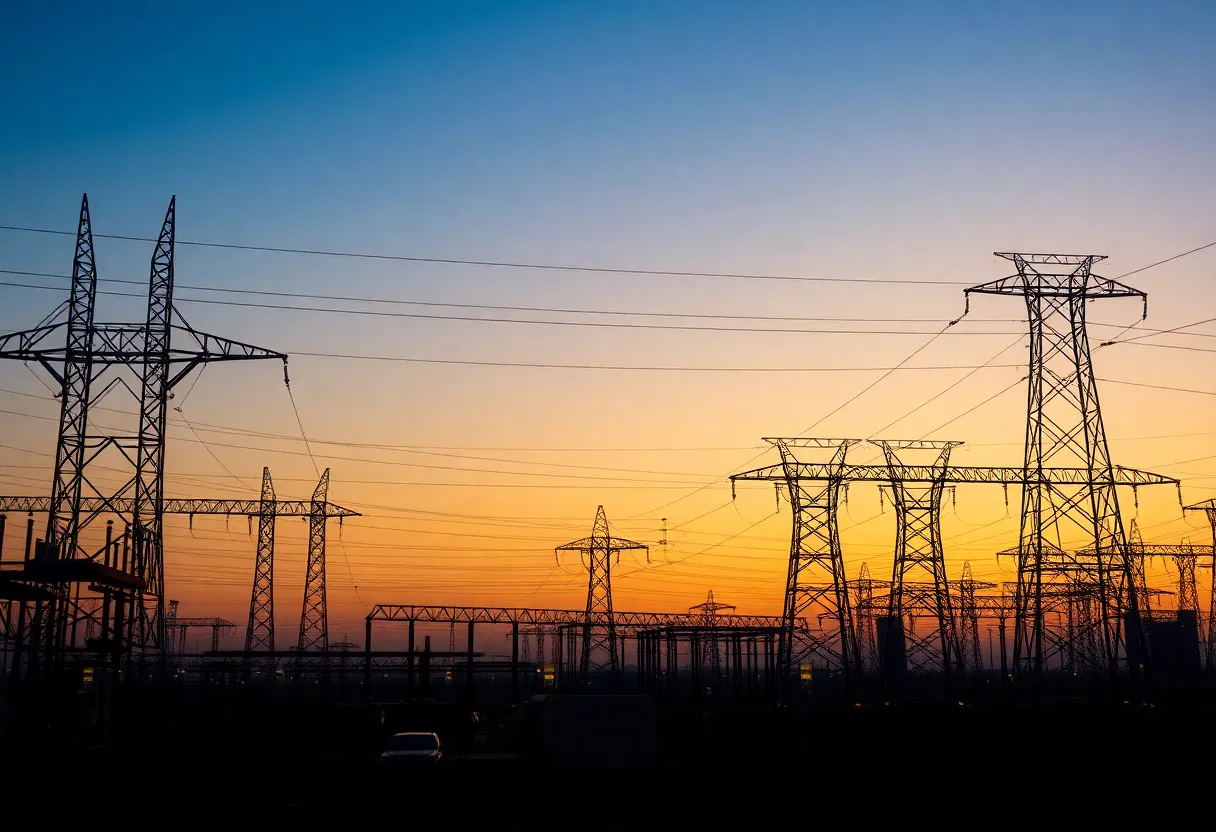
Grid upgrades and new transmission. Meeting new load will require new lines and substations. That means permitting, land use, and time. In many places, transmission build-out is the bottleneck. Expect more pressure for regulatory reform and faster processes—and more conflict over where and how to build.
Demand response and flexibility. Data centers don’t always need power at the same instant. Some workloads can be shifted in time or location. Operators may increasingly bid into demand-response programs, scaling back non-critical load when the grid is stressed. That could turn data centers from pure demand into a form of flexible load—if incentives and contracts align.
Location and policy. Some regions will welcome data centers with open arms and build power for them; others will cap or restrict new load. Policy will shape where the next wave of builds lands and how much of the burden falls on ratepayers versus the industry.
The Bottom Line
Data centers are eating the grid because the world’s appetite for compute—especially AI—is growing faster than efficiency gains can offset. What comes next is a mix: more on-site and contracted clean energy, more grid investment, more demand flexibility, and more political and regulatory fights over who pays and who gets to build. The grid will adapt, but not without cost, delay, and trade-offs. Understanding that is the first step to making sense of the next decade of energy and tech.