Why Photobiomodulation Devices Are the Biohacking Trend Doctors Actually Study

Futurion Editorial
July 9, 2026
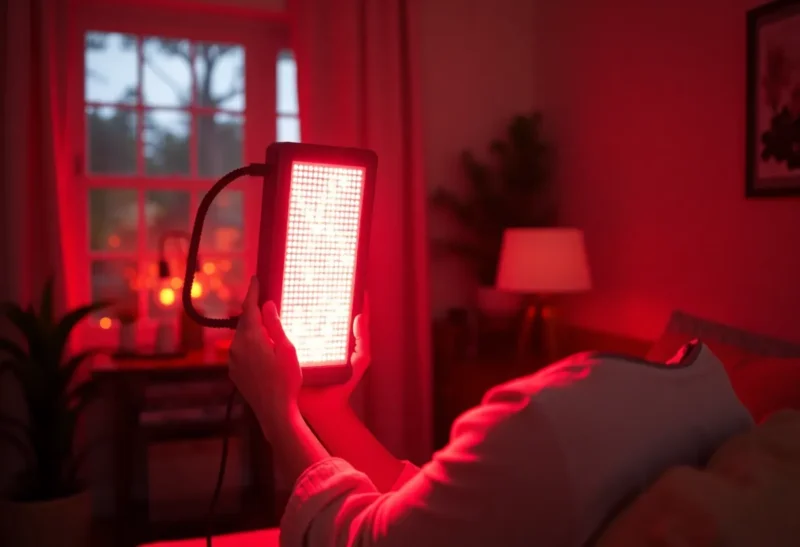
Biohacking as a category has produced no shortage of expensive gadgets with thin evidence behind them, which makes it easy to reflexively dismiss anything sold under that banner. Red light therapy panels — devices that bathe skin in specific wavelengths of red and near-infrared light, now sold everywhere from dedicated wellness brands to general marketplaces — deserve a more careful look than that reflexive dismissal, because unlike most of the category, this particular intervention has a genuine, decades-old research base behind it, under the more clinical name photobiomodulation, even as the consumer marketing around it has run considerably ahead of what that research actually supports.
Where This Research Actually Started
Photobiomodulation research traces back further than most consumers realize, with foundational studies on low-level laser therapy — an earlier, narrower precursor to today’s LED-based panels — appearing in medical literature starting in the 1960s and 1970s, initially exploring whether specific light wavelengths could accelerate wound healing in animal models. This is not a technology that started as a consumer wellness product and later acquired scientific-sounding branding; it developed the other way around, as a genuine clinical research area that only much later filtered into consumer products once LED technology became cheap and efficient enough to deliver comparable light doses without the cost and safety considerations of medical lasers.
The core mechanism, as currently understood by researchers in the field, involves red and near-infrared light in specific wavelength ranges — typically cited as roughly 630 to 670 nanometers for red light and 810 to 850 nanometers for near-infrared — being absorbed by a mitochondrial enzyme called cytochrome c oxidase, part of the cellular respiration chain that produces ATP, the molecule cells use as their basic energy currency. The leading hypothesis is that this absorption temporarily boosts mitochondrial energy production and triggers a cascade of downstream cellular signaling effects, including modulating inflammation and oxidative stress markers, which is the proposed mechanism behind most of the specific clinical effects researchers have studied.

Where the Clinical Evidence Is Genuinely Solid
It’s worth being specific about which applications actually have meaningful randomized controlled trial support, because the strength of evidence varies enormously across the different claims made for this technology. Wound healing and tissue repair represent the area with the longest and most consistent research history, with multiple systematic reviews finding real, if moderate, evidence that photobiomodulation can accelerate healing in certain wound types, and this application has actual FDA clearance for several specific medical devices used in clinical settings for exactly this purpose, which is a meaningfully higher evidentiary bar than most consumer wellness technology ever clears.
Musculoskeletal pain and inflammation is another area with a genuinely substantial evidence base — several meta-analyses covering conditions like chronic neck pain, osteoarthritis, and tendinopathy have found statistically significant, if generally modest, improvements in pain and function measures compared to placebo light or no treatment, sufficient that photobiomodulation is used as an actual adjunct treatment modality by physical therapists and sports medicine practitioners in some clinical settings, not purely as a consumer wellness product.
Skin-related applications, particularly for collagen production and fine wrinkle appearance, have accumulated a reasonable, if smaller, body of supportive clinical evidence as well, which is part of why red light therapy has been adopted by dermatology and aesthetic medicine practices as a legitimate, evidence-informed treatment option alongside more invasive alternatives, rather than remaining purely a wellness-market phenomenon.
Where the Evidence Gets Considerably Thinner
The consumer marketing around red light panels frequently extends well beyond these better-supported applications into claims with meaningfully weaker research backing. Cognitive enhancement and mood claims — the idea that photobiomodulation applied to the head can improve memory, focus, or depression symptoms through effects on brain tissue — rest on a smaller number of studies, many with modest sample sizes, and the field’s own systematic reviews generally describe this application area as “promising but preliminary” rather than established, a meaningfully different evidentiary status than the wound-healing and musculoskeletal pain research.
Broad “anti-aging” and general wellness claims, along with weight loss and fat reduction claims that some red light device marketing makes, rest on an even thinner and more inconsistent evidence base, with the specific mechanisms proposed — claims about mitochondrial “activation” translating into generalized whole-body benefits — extending well beyond what the more rigorously studied localized applications, like a specific healing wound or an inflamed joint, actually demonstrate. This is the exact gap where legitimate photobiomodulation research and consumer wellness marketing diverge most sharply, and it’s a divergence worth understanding clearly rather than assuming the entire category is equally well or poorly supported.
Why Dosing and Device Quality Matter Enormously
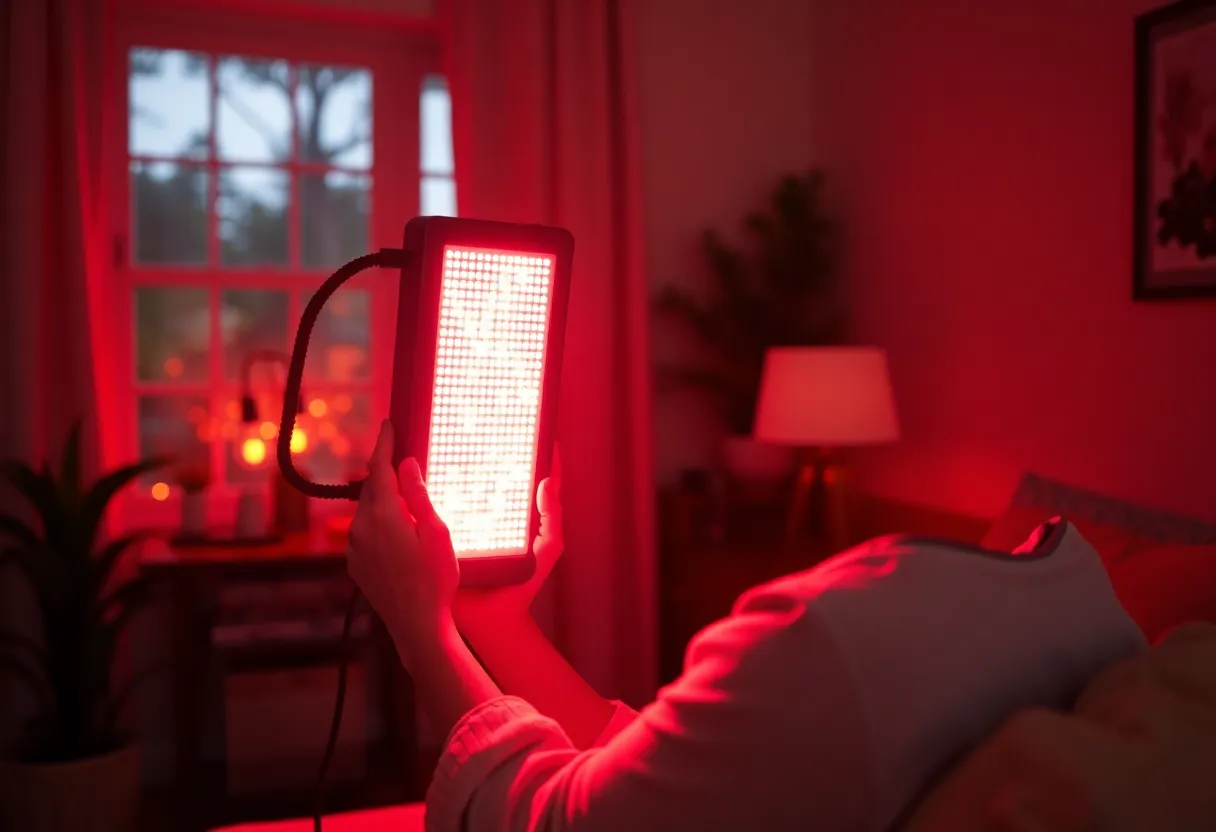
A specific and genuinely important nuance in this research area, one that consumer marketing rarely explains clearly, is that photobiomodulation shows a documented biphasic dose response — meaning more light exposure or intensity is not simply better, and studies have found that exceeding an optimal light dose can actually reduce or eliminate the beneficial effect, rather than just producing diminishing returns. This makes consumer device quality and marketed specifications genuinely important in a way that’s easy for buyers to overlook: a panel needs to deliver light at the correct wavelength range, correct irradiance (power density), and for a correct treatment duration to actually replicate the conditions used in the clinical studies showing benefit, and independent testing of consumer red light devices has repeatedly found meaningful discrepancies between what some manufacturers claim and what devices actually deliver when measured directly, which is a real, practical reason a poorly specified or poorly manufactured device might simply not work even for the applications where the underlying science is genuinely solid.
How to Think About This Category Honestly
The fair, evidence-grounded summary is that photobiomodulation is a legitimate area of clinical research with real, FDA-cleared medical applications for specific, well-studied uses — primarily certain wound healing, inflammation, and musculoskeletal pain contexts — while the broader wellness and biohacking marketing built around the same underlying technology has extended those specific, evidence-backed findings into a much wider set of claims that the current research simply doesn’t support to the same degree. This is a genuinely different situation from most biohacking trends, which tend to either have essentially no clinical research behind them at all, or have research that has been actively contradicted by better, more recent studies.
For someone considering a red light device specifically for one of the well-supported applications — chronic joint pain, a slow-healing wound under a physician’s guidance, or skin collagen support — the evidence genuinely justifies giving the technology serious consideration, provided the specific device delivers verified, appropriate wavelength and power specifications. For someone hoping it will meaningfully improve cognition, cause significant weight loss, or serve as a general anti-aging intervention, the honest answer is that they’re extrapolating considerably beyond what the actual clinical research currently supports, no matter how the marketing around the same core technology chooses to frame it.