
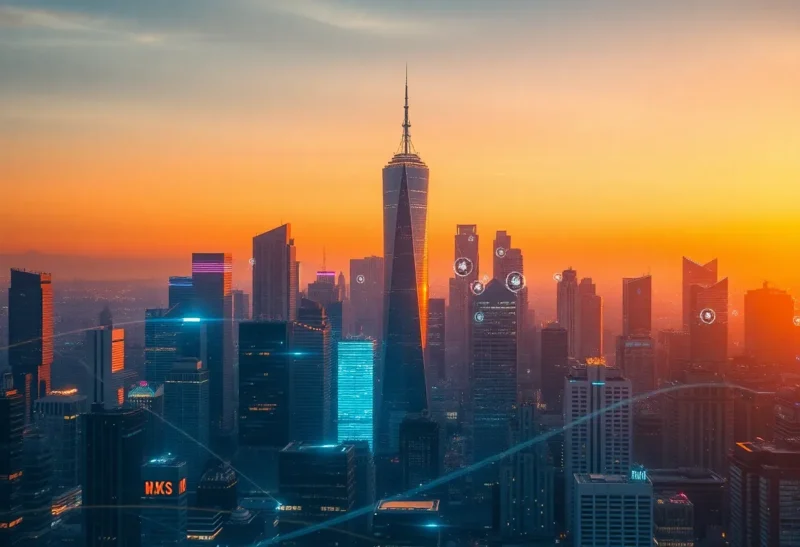
Smart cities sound like a win-win: sensors and data make traffic flow, energy use drops, and public services get more responsive. City halls and tech vendors love to talk about efficiency and “citizen-centric” innovation. But the same infrastructure that can optimize a bus route can also track who gets on the bus, when, and where they go. The line between smart and surveillance is thin, and in practice it’s often drawn by whoever holds the data and the policy levers.
That tension isn’t new—CCTVs and license-plate readers have been around for decades—but smart cities scale it up. Cameras with face recognition, cellphone data aggregated for “footfall analysis,” and IoT sensors that monitor air quality or parking can also be repurposed for policing, advertising, or political control. The question isn’t whether smart city tech is inherently good or bad; it’s who benefits, who gets to decide, and what happens when the same tools are used for something you didn’t sign up for.
The Promise: Efficiency, Sustainability, and Service
On paper, the case for smart cities is strong. Traffic management that adapts to real-time flow can cut congestion and emissions. Smart grids can balance demand and integrate renewables. Waste collection can be optimized so trucks don’t run half-empty. Public transport can be rerouted based on where people actually are. All of that can improve quality of life and reduce environmental impact—and in some places it already does, in bounded pilots or specific domains.
The catch is that “smart” usually means “data-intensive.” You need to measure before you can optimize. So cities and vendors install cameras, environmental sensors, Wi-Fi hotspots, and mobile-app data pipelines. The data is often framed as “anonymized” or “aggregate,” but anonymization is fragile: location and timing can re-identify people, and raw feeds are sometimes stored or shared for “analysis” or “security.” Once the pipeline exists, the temptation to use it for more than traffic or bins is real.
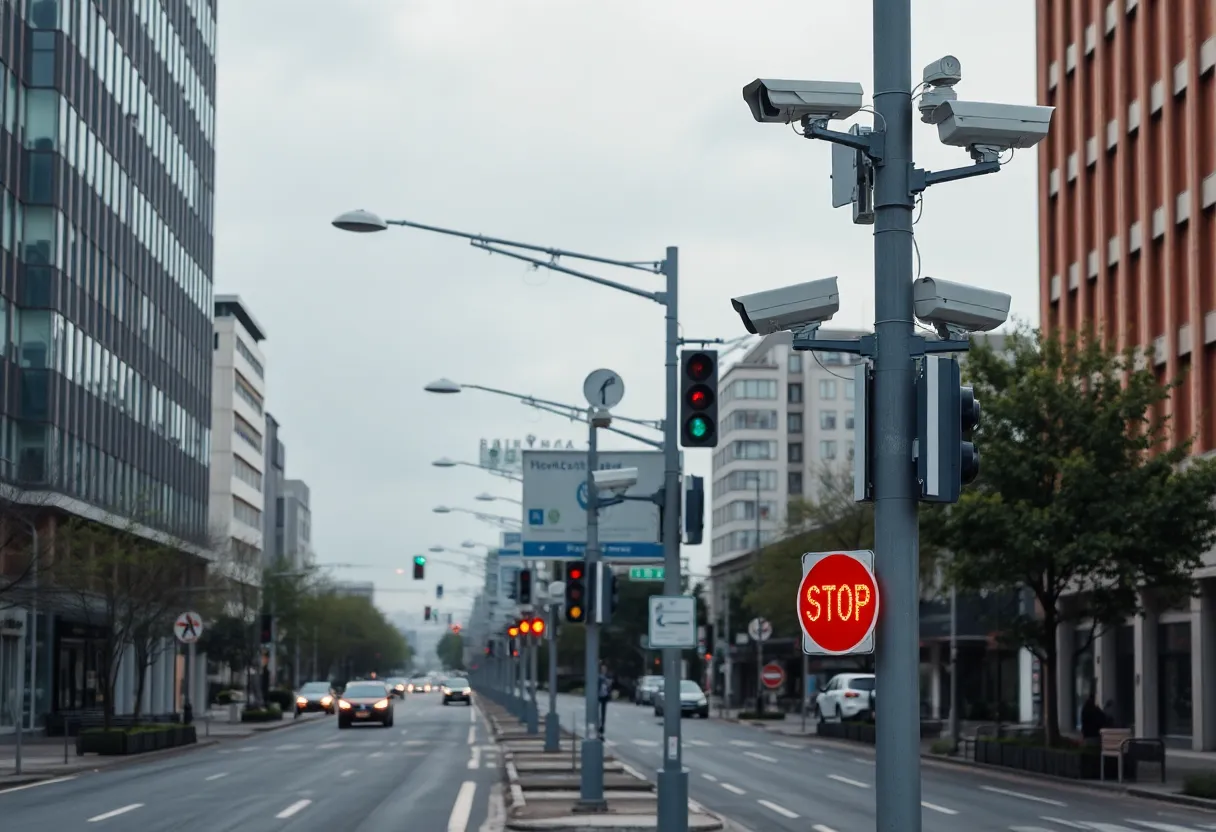
When Smart Becomes Surveillance
Surveillance creep is well documented. A system built for “traffic monitoring” gets linked to law enforcement. Face recognition is added to “secure” a venue and then used to track protesters. License-plate readers meant for parking enforcement feed into databases that follow cars across the city. In some countries, smart city projects are explicitly tied to social credit or political control. Even in democracies, the same tech can be used for predictive policing or immigration enforcement. The vendor might sell it as “efficiency”; the buyer can repurpose it.
Citizens rarely get a clear say in what data is collected, how long it’s kept, or who can access it. Contracts between cities and tech companies are often opaque. Data can be sent to the cloud, processed by third parties, or sold for “insights.” And because the systems are complex and proprietary, accountability is weak. When something goes wrong—a misidentification, a breach, a misuse—it’s hard to assign blame or roll back.
Lessons from the Field: Pilots and Backlash
Real-world smart city projects have produced mixed results. Some have delivered measurable gains: adaptive traffic lights that cut travel time, smart streetlights that dim when no one is around, or apps that make it easier to report potholes and track repairs. Others have sparked backlash. Toronto’s Sidewalk Labs project collapsed in part over concerns about data governance and who would own the data generated in the waterfront district. Cities in China have rolled out extensive sensor networks that are explicitly tied to social management and surveillance. In the EU, GDPR and national laws impose some limits on how personal data can be used, but smart city deployments still often push the boundaries—and the definitions of “anonymous” and “necessary” are contested.
The lesson isn’t that smart city tech is doomed; it’s that deployment without clear rules and public trust is risky. Pilots that start with a narrow, well-defined goal and transparent data handling are more likely to succeed. Those that scale up without answering “who controls this?” and “what are the guardrails?” tend to hit political or legal walls—or worse, they ship and the guardrails never get built.
What Would a Responsible Smart City Look Like?
Smart city tech doesn’t have to be surveillance by default. Alternatives exist: data that stays on-device or in the city’s control, aggregation that happens at the edge so raw feeds are never stored, and strict purpose limits so traffic data isn’t handed to police without legal process. Some cities have adopted transparency registers, public oversight, and sunset clauses so that pilots don’t become permanent without review. The key is to treat data and sensors as a public good with clear rules—not as a black box run by vendors.
That requires political will. It’s easier to buy a platform that “does everything” than to insist on privacy-by-design, local ownership, and citizen input. But the cities that get smart city policy right are the ones that ask, upfront: who benefits, who controls the data, and what happens when the contract ends or the tech is abused? Concrete steps include: requiring vendors to document data flows and retention; keeping sensitive data on municipal or sovereign infrastructure where possible; mandating public reporting and independent audits; and building in sunset and review clauses so that projects don’t become permanent without re-authorization. Great idea or surveillance in disguise isn’t a yes/no—it’s a choice that gets made (or avoided) in procurement, regulation, and daily use.

The Bottom Line
Smart cities can deliver real benefits: smoother traffic, better air quality, more responsive services. But the same infrastructure can enable mass surveillance, mission creep, and opaque power. The difference lies in governance—who decides what gets built, what data is collected, and how it’s used. Treating smart city tech as either purely good or purely bad misses the point. The real question is whether we’re building cities that are smart for citizens or smart on citizens. That’s a political and technical choice, and it’s one we have to make explicitly before the sensors are everywhere.