How Climate Tech Is Actually Being Deployed—And Which Approaches Are Gaining Traction

Hana Dvorak
July 7, 2026
Climate technology covers an enormous range: utility-scale solar and wind, battery storage, electric vehicles, heat pumps, direct air carbon capture, green hydrogen, advanced nuclear, sustainable aviation fuel, and dozens of other categories. The policy and investment landscape has shifted significantly since 2022’s Inflation Reduction Act in the US and Europe’s Green Deal, and the deployment picture in 2026 reflects both the scale of what’s working and the distance still to close.
Here’s an honest assessment of which climate technologies are actually deployed at scale, which are transitioning from demonstration to commercial deployment, and which remain promising but pre-commercial.
Deployed at Scale: Solar, Wind, and Batteries
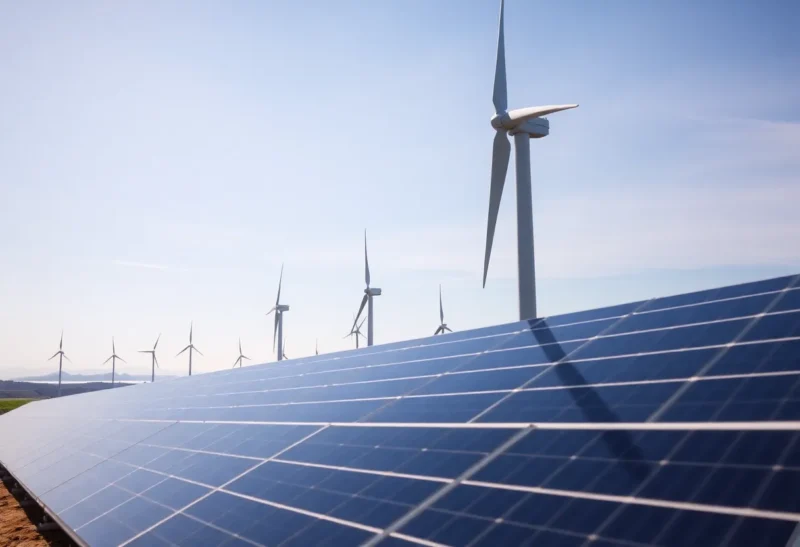
The story of solar energy cost reduction over the past fifteen years is one of the most dramatic in industrial history. Utility-scale solar PV costs have fallen over 90% since 2010, from roughly $400/MWh to under $30/MWh in the most competitive markets. The result: solar and wind are now the cheapest sources of new electricity generation in most of the world, by a significant margin. New coal and gas plants cannot compete economically with new solar and wind installations in most markets without subsidy.
The deployment numbers reflect this: 2023 saw over 440 GW of new solar capacity added globally, a record at the time that subsequent years have surpassed. Wind additions have also accelerated, with offshore wind coming down the cost curve significantly slower than solar but still declining. In aggregate, the IEA’s tracking shows renewables now accounting for the majority of new electricity generation capacity globally.
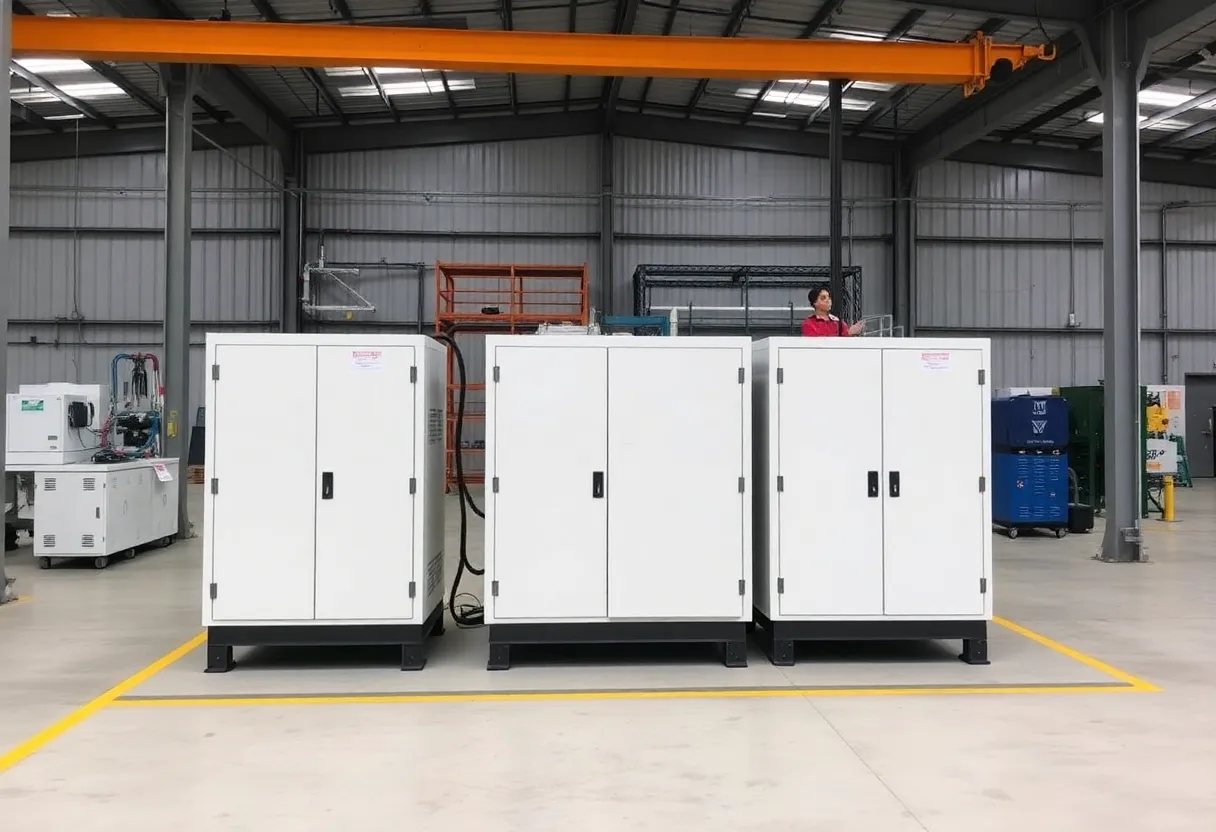
Battery storage has followed a similar cost trajectory—lithium iron phosphate (LFP) battery storage costs fell over 80% in the decade through 2024. This is consequential because intermittency is the primary challenge with solar and wind: they produce energy only when the sun shines or wind blows. Grid-scale battery storage, which stores electricity for dispatch on demand, addresses this challenge at increasing scale. The US, China, Australia, and several European countries now have GW-scale battery storage installations connected to their grids, and the pipeline of projects under development is substantially larger.
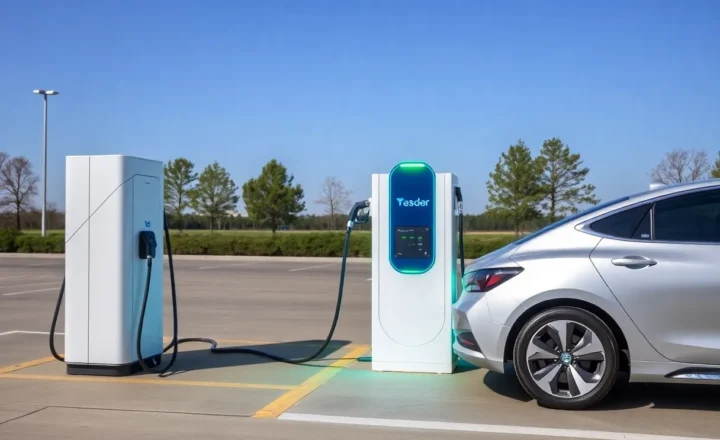
Electric vehicles, covered extensively elsewhere, are effectively a deployed climate technology in passenger vehicles, with market share passing 25–30% of new car sales in several major markets. The decarbonisation effect depends on the carbon intensity of the electricity grid—in countries with low-carbon electricity, EVs are substantially cleaner than combustion vehicles on a lifetime basis even accounting for battery manufacturing emissions.
Scaling Now: Heat Pumps and Building Electrification
Heat pumps—devices that move heat rather than generate it, making them 2–4 times more efficient than resistance heating at equivalent electricity use—have seen rapid adoption in Europe following the 2022 energy crisis that dramatically increased gas prices. European heat pump sales grew over 40% in 2022 before cooling as gas prices normalised, but the structural incentive to move away from gas remains strong. In the US, the Inflation Reduction Act’s consumer tax credits for heat pump installation have accelerated residential adoption.
Heat pumps represent a clear, available, cost-effective path to decarbonising space and water heating—which account for a significant fraction of household energy consumption. The technology is mature and commercially available at multiple price points. The barriers are installation cost (the upfront cost is higher than replacing like-for-like with a gas boiler), contractor availability and training, and in cold climates, performance concerns that cold-climate heat pumps have substantially addressed but not fully resolved for the coldest environments.
Transitioning to Commercial Scale: Green Hydrogen
Green hydrogen—hydrogen produced by electrolyzing water using renewable electricity—is being pursued as a decarbonisation pathway for applications that are difficult to electrify directly: heavy industry (steel and cement production), long-distance shipping, and aviation. The IEA and industry projections suggest green hydrogen needs to reach $1–2/kg to be competitive with fossil alternatives; current costs are $5–10/kg in most markets, with the best projects approaching $3–4/kg.
The cost reduction pathway requires both falling electrolyser costs (from current $500–1,000/kW toward $100/kW or below) and cheap renewable electricity inputs. Projects currently under construction in Chile, Australia, the Middle East, and Europe are targeting these costs at scale, but the timelines are multi-year and capital requirements are large. Green hydrogen for industrial decarbonisation is transitioning from pilot projects to early commercial scale—meaningful progress, but not the large-scale deployment phase yet.
Demonstration to Early Commercial: Direct Air Capture
Direct air capture (DAC) pulls carbon dioxide directly from ambient air using chemical processes. It’s the most direct approach to carbon removal but currently the most expensive—Climeworks’ Mammoth plant in Iceland, the world’s largest operational DAC facility, captures roughly 36,000 tonnes of CO2 per year at costs of $400–1,000 per tonne depending on accounting methodology.
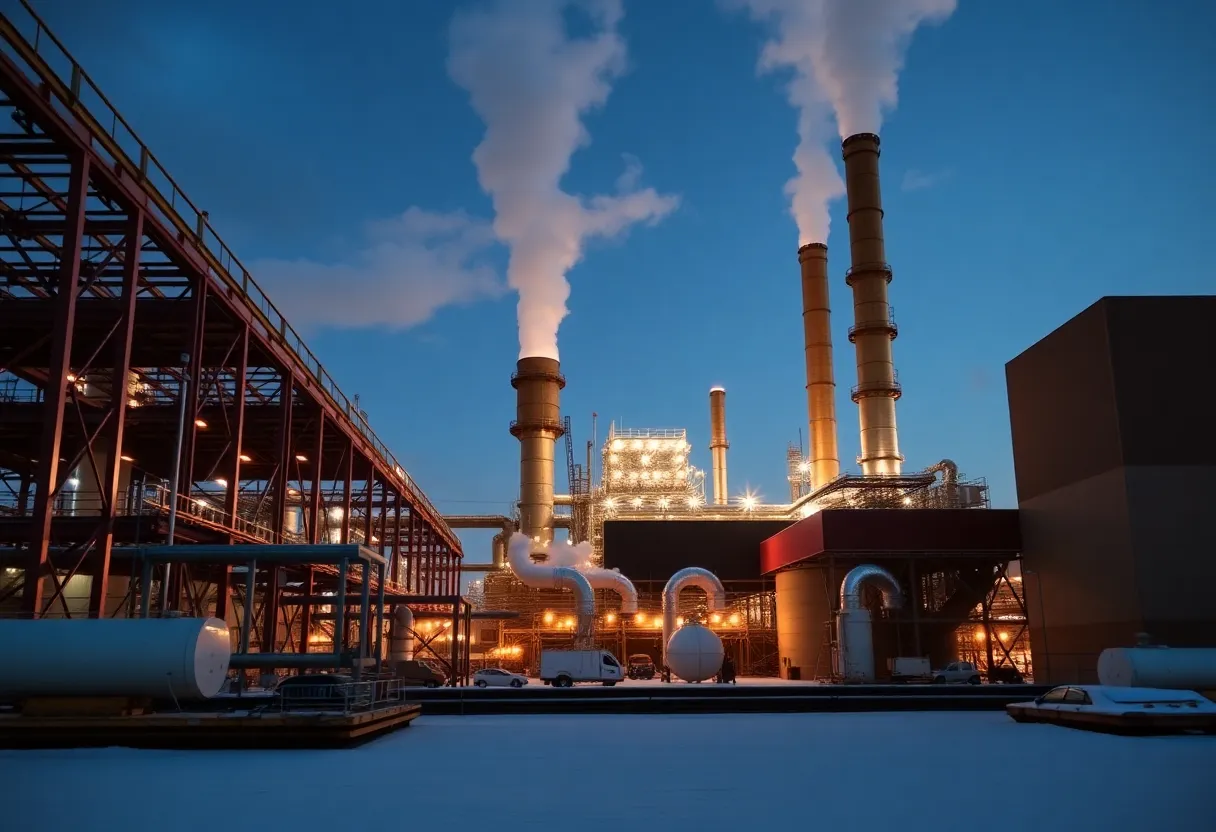
For context: the 1.5°C climate target pathways modelled by the IPCC require removing billions of tonnes of CO2 per year by mid-century. Current global DAC capacity is in the tens of thousands of tonnes. The cost needs to fall by roughly one to two orders of magnitude for DAC to play the scale role climate models require. The cost trajectory is being driven by economies of scale, engineering improvements, and learning-by-doing—the same dynamic that drove solar and battery cost reductions—but whether DAC can replicate that trajectory in the timeframe available is not established.
What the Deployment Landscape Tells Us
The honest reading of climate tech deployment in 2026: the technologies that are cheap and scalable (solar, wind, batteries, EVs, heat pumps) are deploying rapidly and are on trajectories consistent with meaningful decarbonisation of electricity and surface transport over the next two decades. The technologies needed for harder-to-abate sectors (heavy industry, aviation, long-haul shipping, carbon removal) are earlier in their development and deployment curves and face larger cost and scale challenges.
The deployment challenge is as much economic, regulatory, and infrastructural as it is technical—permitting delays, grid connection queues, and workforce constraints are limiting clean energy deployment in countries where the economics clearly work. Solving these non-technical barriers is as important as continuing technical innovation, and in many high-income countries, is currently the more binding constraint on the pace of the energy transition.