The Best E-Ink Devices in 2026: Beyond the Kindle

Caleb Whitmore
July 7, 2026
Kindle dominates e-reader market share, and for casual ebook readers who buy from Amazon, it’s often the right answer: good hardware, seamless integration with the world’s largest digital book store, and competitive pricing. But e-ink technology has developed well beyond dedicated Amazon e-readers. The category now spans large-format writing tablets, note-taking devices with serious paper-replacement ambitions, colour e-ink for comic readers, and ambient displays that consume almost no power while always-on. Here’s what the category looks like in 2026 for people interested in more than the Kindle default. For a note-first fork, start with Supernote versus Kindle Scribe or reMarkable versus Boox.
The E-Ink Technology Refresh
Before the devices, a brief context note. E-ink displays work by moving charged ink particles through a clear fluid to create an image—a bistable display that holds its state without power. The image stays without any power being drawn until it changes. This is what gives e-ink its battery life advantage (weeks on a charge) and its paper-like readability in direct sunlight.
The main technological advances in recent years: faster refresh rates (particularly E Ink Gallery 3 for colour and the latest Carta screens for monochrome), improved colour e-ink (E Ink Kaleido 3 for filtered colour, E Ink Gallery 3 for full colour), and higher resolution panels reaching 300 dpi as standard for reading devices. Colour e-ink remains a trade-off—it’s more expensive, the colour reproduction is not as vivid as LCD, and refresh speed is slower than monochrome—but the quality gap versus early colour e-ink generations is meaningful.
E-Readers Beyond Kindle: Kobo
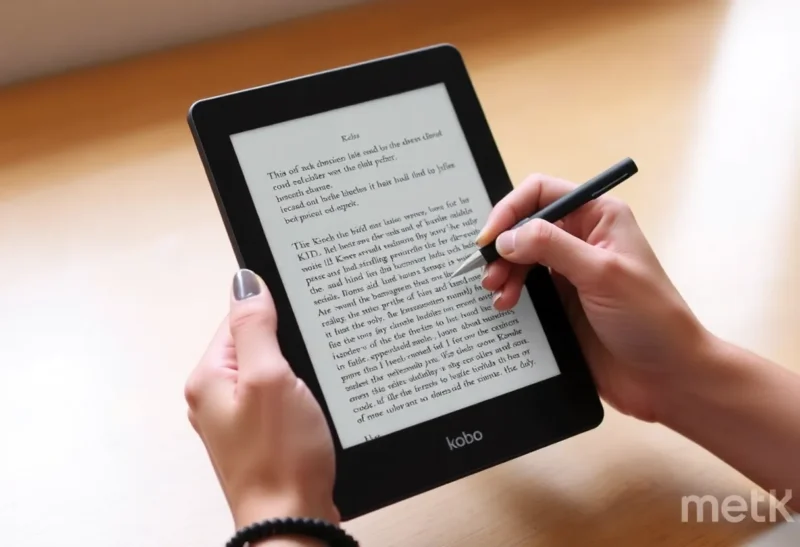
Kobo (owned by Rakuten) is the most credible alternative to Kindle for ebook reading. Kobo devices use E Ink displays at comparable quality to Kindle equivalents, integrate natively with OverDrive/Libby for library borrowing (a friction advantage—Kindle’s library integration requires a workaround through Amazon), and support EPUB format natively without conversion. For readers who prefer to buy from non-Amazon stores or use public library ebooks, Kobo is a natural choice.
The Kobo Elipsa 2E (10.3-inch) is Kobo’s writing tablet/reader combination—a direct competitor to the reMarkable 2 and Kindle Scribe, with the addition of seamless ebook support from Kobo’s store. The Kobo Libra Colour introduced colour e-ink at the 7-inch ebook reader size, specifically targeting manga and comic readers who want readable colour without carrying a heavy backlit tablet.
Writing Tablets: reMarkable and Supernote
Writing tablets are the most distinctive evolution in the e-ink category. These devices are designed primarily for handwriting on a paper-like screen—note-taking, annotation, sketching—rather than passive reading.
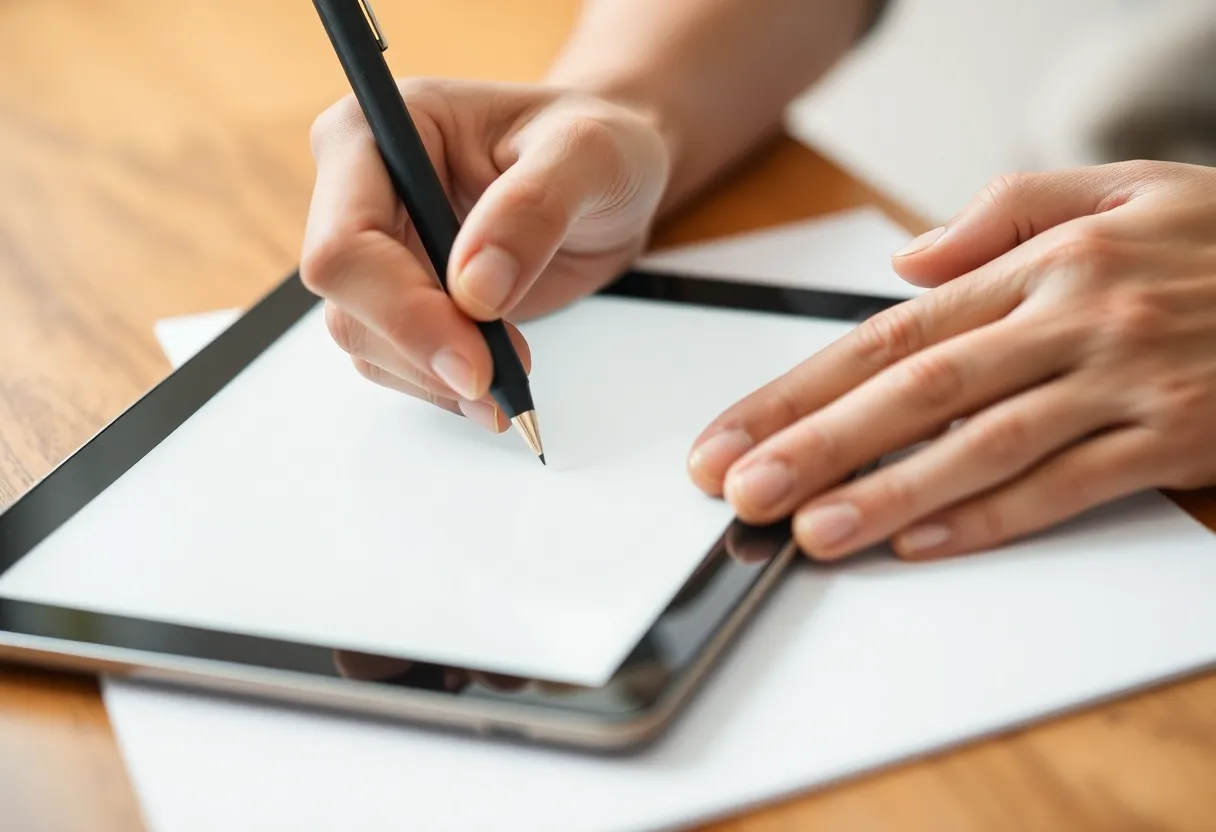
reMarkable 2 established the premium writing tablet category. It has a distinctive textured screen with low latency stylus response that produces the most paper-like writing feel of any e-ink device—by a meaningful margin. The trade-off is ecosystem: reMarkable’s software is functional but limited, cloud storage is subscription-based, and the device philosophy is deliberately focused (it does writing and PDF annotation; it doesn’t do ebooks from third-party stores, web browsing, or apps). The reMarkable Paper Pro, released in late 2024, adds a colour screen and frontlight at a premium price.
Supernote (A5X and A6X2 models) is the more open alternative. Supernote runs a customisable interface, supports more file formats, allows handwriting-to-text conversion, and its note organisation is more capable than reMarkable’s. The writing feel is slightly different—still excellent by e-ink standards, but slightly different tactile character. The community around Supernote is particularly active, and the company has a track record of shipping meaningful software updates based on user requests. For users who want more flexibility from their writing tablet without moving to Android-based devices, Supernote is often the better fit.
Kindle Scribe added writing capability to the Kindle ecosystem, which gives it the obvious integration advantage for existing Kindle library users. The writing experience is functional but reviews consistently place it below reMarkable 2 in writing feel and latency. It’s best understood as a Kindle with added note-taking capability rather than a reMarkable competitor at the same level.
Large-Format Android E-Ink Tablets
A distinct category is Android-based e-ink tablets, which run a full Android OS on an e-ink panel. These are more powerful and flexible than dedicated writing tablets or e-readers—you can install apps, browse the web, read from any ebook app—but make trade-offs around refresh speed and animation that e-ink panels still struggle with.
Boox Note Air series (Onyx Boox) and PocketBook InkPad X are notable examples. Boox in particular has a broad product range at different screen sizes (7-inch through 13.3-inch), with strong software and regular updates. The 10.3-inch Boox Note Air 4C adds colour e-ink in an Android tablet form factor that handles documents, ebooks, notes, and limited app use with full colour. For users who want a multipurpose device and are willing to accept e-ink’s inherent limitations (slower refresh than LCD, limited video), a large-format Boox is the most versatile option in the category.
E-Ink Ambient Displays
E-ink displays consume no power holding a static image—only when updating. This makes them ideal for ambient information displays that show useful information (calendar, weather, time, task list) without drawing meaningful standby power.
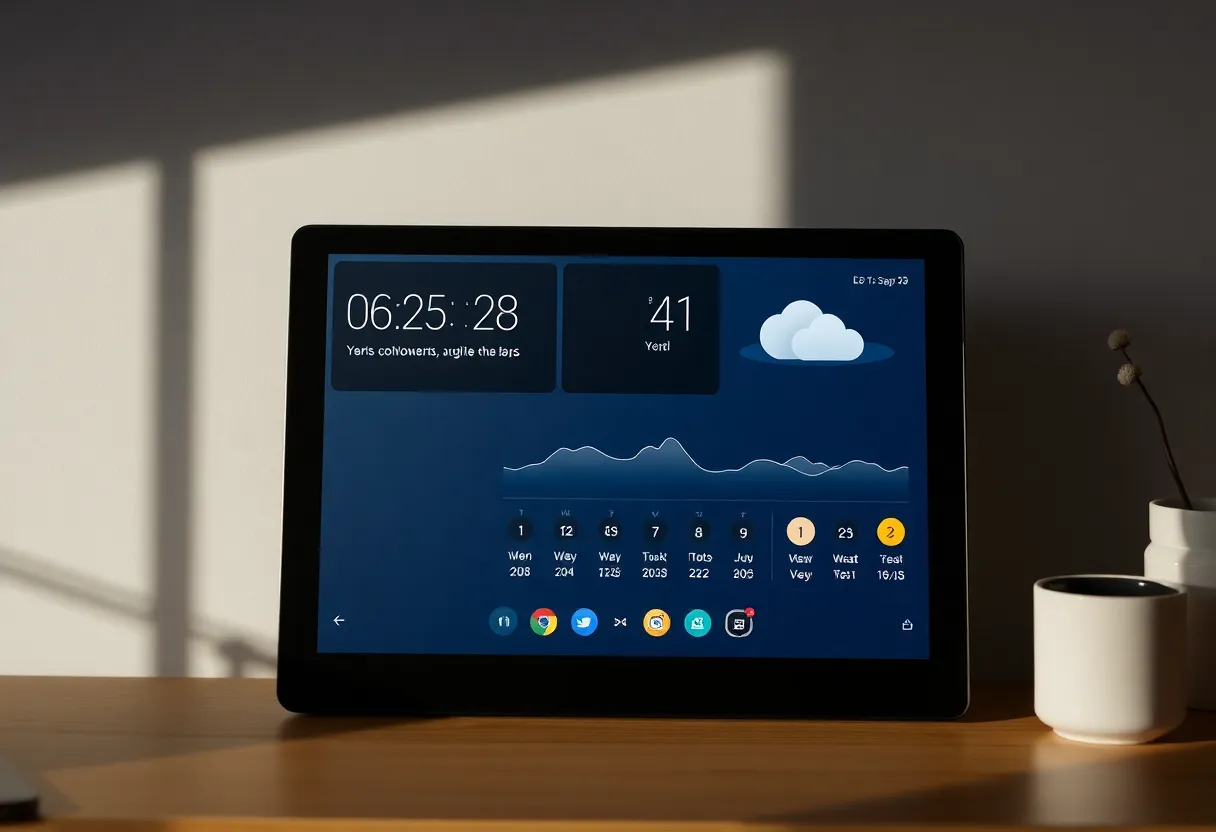
The Inkplate series (from Soldered Electronics) provides ESP32-based e-ink display boards designed for DIY dashboard builds—for developers and hobbyists who want to build a custom always-on dashboard for home automation data, weather, or personal productivity displays. The commercial equivalent is the BOOX Mira series, which are e-ink monitors designed as external displays for reducing eye strain during long reading or writing sessions.
The Daylight Computer DC-1 takes a different approach—a tablet with a LivePaper display (a reflective LCD variant, not true e-ink, but paper-like in character) designed specifically for long-form reading without blue light or the visual fatigue associated with standard LCD/OLED tablets.
Choosing the Right E-Ink Device
The decision framework is relatively clear once you know your primary use case:
Pure ebook reading, Amazon ecosystem: Kindle Paperwhite (best value) or Kindle Oasis.
Pure ebook reading, non-Amazon or library-heavy: Kobo Libra 2 or Kobo Sage.
Writing and note-taking as the primary use case, best writing feel: reMarkable 2 or reMarkable Paper Pro.
Writing with more flexibility and openness: Supernote A5X or A6X2.
Maximum versatility on e-ink (Android apps, any content type, note-taking): Onyx Boox Note Air series.
Manga and comics with colour: Kobo Libra Colour or a colour Boox device.
Always-on ambient display: Inkplate (DIY) or BOOX Mira as secondary monitor.
E-ink in 2026 is a genuinely mature category with good choices at multiple price points and use cases. The Kindle is the right answer for many people, and a defensible first recommendation for casual readers. But if your use case goes beyond casual ebook reading—writing, annotation, library integration, colour content, or ambient display—the category beyond Kindle is worth exploring in earnest.