The DIY Tech Renaissance: Why Making Things Is Back

Jamie Torres
February 24, 2026
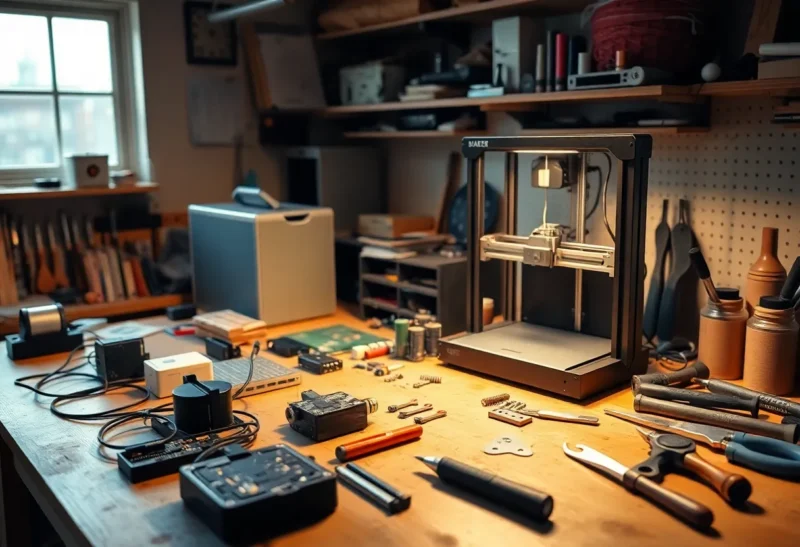
For a while it looked like making things with your hands was going the way of the dodo. Why solder when you could buy a gadget? Why fix when you could replace? The narrative was clear: we were becoming consumers, not creators. But something shifted. Workshops are full again. 3D printers sit in basements and garages. People are building keyboards, repairing their own devices, and turning spare parts into projects. The DIY tech renaissance isn’t a nostalgia trip—it’s a real comeback, and it’s worth understanding why.
What Drove DIY Underground (And What Didn’t)
DIY never actually went away. Hobbyists kept building radios, restoring cars, and tinkering in sheds. But mainstream culture drifted toward convenience. Planned obsolescence made repair feel pointless. Big-box stores made custom builds seem unnecessary. “Just buy the new one” became the default advice. At the same time, schools cut shop class and hands-on tech programs. A whole generation grew up with less exposure to making—and with the message that expertise lived in companies, not in their own hands.
Yet the desire to make never disappeared. It just waited for the right conditions: cheaper tools, better information, and a growing sense that consumption alone wasn’t enough.
The Tools Got Cheaper and Smarter
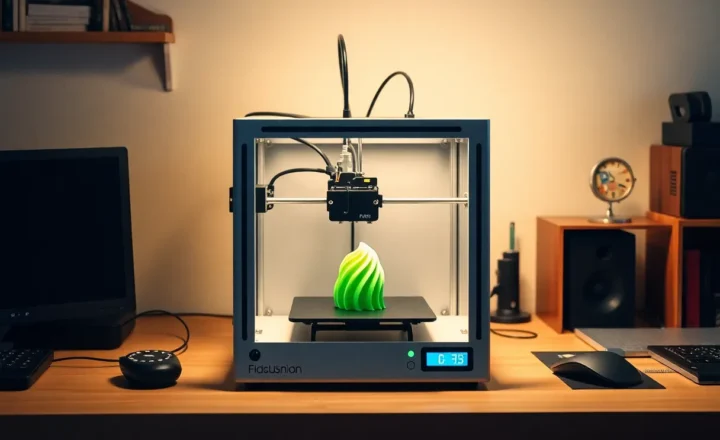
Today you can get a decent 3D printer for a few hundred dollars. Microcontrollers like the Raspberry Pi and ESP32 cost a fraction of what equivalent hardware did a decade ago. Open-source CAD software, circuit simulators, and firmware are free. The barrier to “I want to build something” has dropped from “get a loan and a lab” to “order a kit and watch a YouTube video.”
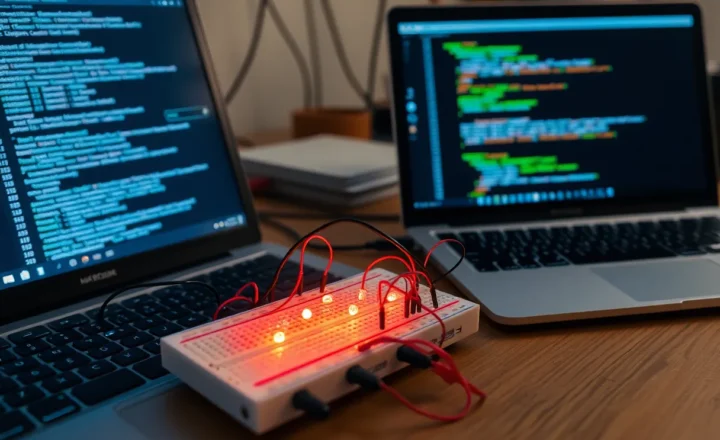
That democratization matters. When the only people who could prototype were engineers with access to company labs, DIY stayed niche. When teenagers can design a case in Tinkercad and print it before dinner, making becomes a normal option. The same goes for electronics: Arduino and its cousins turned “blink an LED” into a weekend project instead of a semester course. The tools didn’t just get cheaper—they got approachable. Documentation, forums, and video tutorials turned obscure hobbies into something you could learn by doing.
Repair and Right-to-Repair
Frustration with throwaway culture has turned into a movement. Right-to-repair campaigns have pushed manufacturers to publish manuals, sell parts, and design products that can be opened without destruction. When you can actually fix your phone or laptop, the idea of “I could do this myself” stops being theoretical. Repair cafés and community workshops have spread; they’re places where people bring broken things and leave with working devices and new skills.
That mindset feeds back into building. Once you’ve cracked open a device and replaced a battery or a screen, the step to “what if I modified this?” or “what if I built my own?” gets smaller. DIY and repair are part of the same ecosystem: both assume that you have the right to understand and alter the objects in your life.
Digital Fatigue and the Need for Tangible Output
Spending all day in front of a screen leaves a lot of people hungry for something physical. Typing and clicking don’t leave a trace in the world in the same way that a finished project does. Building something you can hold—a keyboard, a lamp, a small robot—satisfies a different itch. It’s not anti-digital; many DIY projects are deeply technical. But the output is real. You can hand it to someone, put it on a shelf, or use it every day.
That tangibility also makes learning stick. Debugging code is abstract until you see a motor spin or a sensor light up. Making things bridges the gap between idea and outcome in a way that pure software sometimes doesn’t. For a lot of people, that’s what makes tech fun again.
Community and Identity
DIY has always had a social side—clubs, magazines, ham radio networks. The internet made that scale. Reddit, Discord, and YouTube host huge communities around mechanical keyboards, custom PCs, 3D printing, and electronics. You can share a design, get feedback, and iterate in public. The “maker” identity isn’t just about building; it’s about belonging to a group that values building. That social layer turns a solitary hobby into a culture.
It also lowers the perceived risk of starting. When you see thousands of people posting their first prints or their first circuits, “I can’t do that” becomes “I could try that.” The community acts as both tutorial and cheerleader. Failures are normal; the next iteration is always around the corner.
Who’s Making—And Why It’s Broadening
DIY tech used to skew heavily toward a narrow demographic: often male, often with an engineering or technical background. That’s changing. Educators are bringing making into classrooms and libraries; parents are building alongside kids. Artists are combining traditional craft with electronics and code. The “maker” label now covers people who sew with conductive thread, build furniture with CNC routers, or grow food with sensor-driven hydroponics. The common thread isn’t gender or profession—it’s the choice to create instead of only consume.
That broadening matters for the long-term health of the movement. When making is seen as something everyone can do, not just a niche for geeks, it becomes easier to justify funding for makerspaces, to include making in curricula, and to push for policies that support repair and customization. The more diverse the community, the more resilient and inventive it becomes.
What’s Next
The DIY tech renaissance is still growing. AI and automation are starting to touch making too—generative design, better simulation, and smarter tools will change what’s possible in a home workshop. You can already use AI to help with code for microcontrollers or to brainstorm project ideas; in the next few years we’ll see more tools that help with circuit design, material choice, and troubleshooting. But the core impulse—to understand, to modify, to create—isn’t going anywhere. If anything, as more of life moves into the cloud and into black boxes, the desire to have something you built yourself will only get stronger.
Economic and environmental pressures will keep pushing in the same direction. When devices are expensive and waste is a concern, repair and reuse become rational choices. When supply chains are brittle, local making and customization look more attractive. The DIY renaissance isn’t just a cultural mood; it’s a practical response to the limits of mass production and the appeal of agency over dependency.
So if you’ve been thinking about that project you never started, or the device you’ve been meaning to fix: the tools are there, the community is there, and the moment is right. Making things is back—and it’s not just for the experts anymore.