Physical Games vs Digital Downloads: The Trade-offs Nobody Talks About

Jake Merritt
July 7, 2026
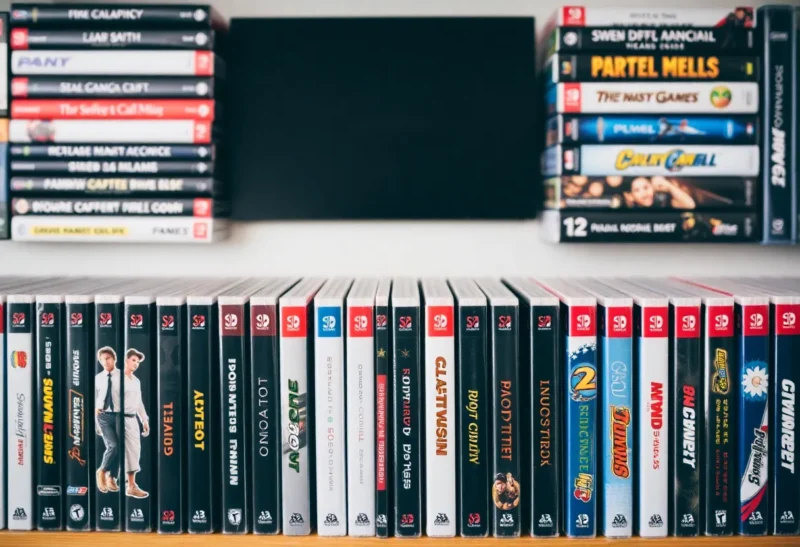
The physical-versus-digital debate in gaming has been running for over a decade, and the conversation has become stuck on the same surface-level talking points: “digital is convenient,” “physical lets you resell,” “downloads take storage.” These points are all true. They’re also incomplete in ways that start to matter once you’ve actually been gaming long enough to experience the real consequences of both choices at scale.
The more interesting trade-offs involve game preservation, publisher behaviour, platform longevity, and what it means to “own” a game in a digital marketplace. These are the angles that don’t appear in the quick-take comparison articles—and they’re the ones that change how serious collectors and long-term thinkers about games approach the question.
What “Owning” Means in Each Case
Physical ownership of a game is as close to real property as consumer software gets. The disc or cartridge is yours. You can lend it, sell it, give it to a friend, put it in a drawer for ten years and play it when you find it. If the publisher goes bankrupt, if the platform holder decides the game is no longer available, if the online store closes—none of that affects your ability to insert the disc and play. The game runs on the hardware without permission from anyone, as long as the hardware functions.
Digital “ownership” is a licence, not ownership in any property sense. When you purchase a digital game, you purchase a licence to access it on a given platform under the platform holder’s terms of service. The platform holder can remove games from your library (this is rare but has happened), can sunset digital storefronts (the Wii Shop, the PlayStation 3 and PSP stores, the Nintendo 3DS eShop), can require authentication to play (online-only DRM), and can refuse to re-download purchased games if the title is delisted from the store. The digital purchase gives you access until something in the chain of permission changes.
This distinction is theoretical for most games in the short term—the platform holders have strong incentives to maintain access to purchased libraries—but it becomes very real over long time horizons. Games that existed digitally on the PS3 or Wii stores are inaccessible to anyone who didn’t purchase and download them before those stores closed. Physical copies of those same games continue to work on the original hardware.
The Day-One Patch Problem
Physical games have a specific technical issue that the disc-era romantics sometimes underweight: day-one patches. Many modern physical releases ship a version of the game on the disc that requires a sizeable patch to function as the publisher intended—sometimes because development continued after the disc masters were pressed, sometimes to patch critical bugs discovered after gold certification. A physical copy of a game with a large day-one patch requirement is effectively a physical ticket that unlocks the real game, which lives on the servers.
On Microsoft’s Xbox platform, the “Full Game on Disc” certification requirement means publishers must include the complete game on the physical disc without requiring a download to play. This is a genuine policy distinction that protects physical buyers. On PlayStation and Nintendo platforms, the requirements are less strict, and “Disc Editions” that require internet connectivity to download most of the game content exist for some high-profile titles.
The implication for physical purchases: always verify whether the physical edition ships with the full game on media or requires downloads to function. A disc that installs a launcher and then downloads the full game gives you the worst of both worlds—physical media cost without true physical independence.
Resale and Pricing Economics
The resale argument for physical is real but has become more complex as digital pricing has evolved. Physical games depreciate through used market competition: the retail price drops as used copies proliferate, and significant discounts often appear within weeks of launch for popular titles. Digital games, absent the used market, tend to hold their prices longer—publishers have less incentive to discount because there’s no competing used supply exerting downward pressure.
However, digital sale pricing has become more aggressive as subscription services and regular sale events have become standard. PlayStation Store, Xbox Store, Nintendo eShop, and Steam all run frequent sales where games can be purchased at 50–80% discount. Over time, the most patient digital buyers can pay less than physical buyers who bought used—the patient digital buyer, buying in sales, often beats the physical market.
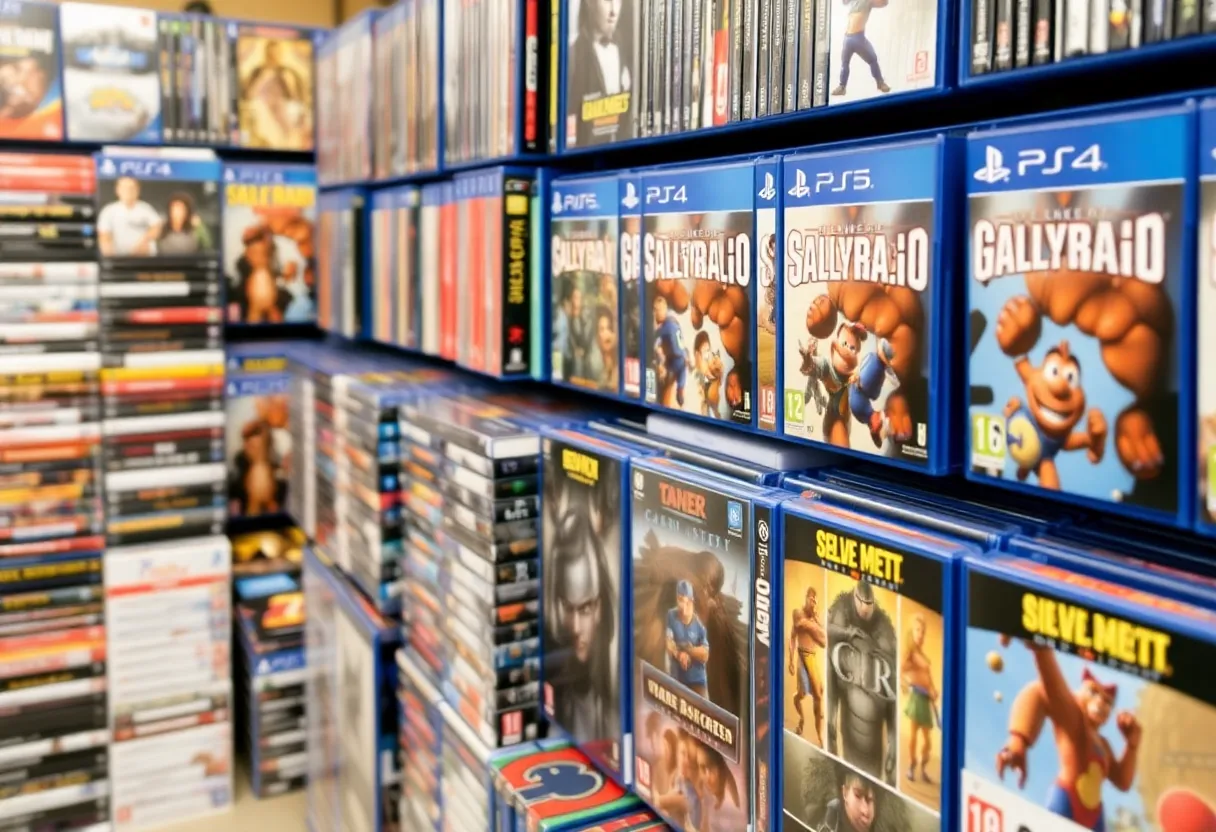
The resale value of physical games varies enormously by title and platform. First-party Nintendo titles—which are notorious for holding their retail price—retain excellent physical value; buying and reselling Nintendo games is a genuine hobby and sometimes even a minor arbitrage opportunity. Third-party games on PlayStation and Xbox typically depreciate more quickly, making the resale advantage smaller for those titles. The calculation depends heavily on what you’re buying and when.
Storage and Platform Constraints
The storage argument has evolved substantially. The PlayStation 5 shipped with 825 GB of usable space, and modern AAA games routinely exceed 100 GB after patches—fitting five or six large games at a time. Expanding PS5 storage requires a compatible NVMe SSD that costs real money; Xbox Series consoles use proprietary expansion cards that are expensive. The result is that digital-heavy gaming now has a meaningful ongoing storage management cost that wasn’t a significant issue when games fit on a single disc without patches.
Physical copies don’t solve this entirely—mandatory installs mean physical games still write data to the console storage—but they can mitigate it: some games can run with less installed data when the disc is present to supply bulk assets. The storage situation is a genuine argument for physical that the “convenience is everything” digital camp sometimes dismisses.
For PC gaming, the calculus differs: storage is cheap and upgradeable, and physical media for PC games has been effectively defunct for a decade outside of specialty releases. PC gaming is an almost exclusively digital experience, which is simply accepted as the platform’s character.
Preservation and the Long View
The most consequential trade-off that rarely gets discussed in casual physical-vs-digital articles is game preservation. The history of gaming is already being lost to digital-only releases on defunct platforms. Games released exclusively on the Wii U eShop, the PSP’s PlayStation Network store, or the Xbox 360’s Games on Demand service are increasingly difficult or impossible to access legally. The physical releases of the same era remain playable on original hardware or through digital preservation communities.
This matters if you care about games as a cultural medium worth preserving. Physical media is inherently more durable from a preservation standpoint—not because discs are indestructible, but because the game can be copied, archived, and emulated without depending on a commercial entity maintaining infrastructure. Digital games require the platform holder’s cooperation to remain accessible; physical games require only functioning hardware and the game data itself.
The gaming preservation community—organisations like the Video Game History Foundation—has documented the scale of this problem: a significant fraction of games released before 2010 are no longer commercially available and exist only in physical copies and emulation archives. As digital-only releases become standard for smaller titles, the preservation problem will grow more acute for the current generation.
The Practical Decision
For most everyday gaming, the decision is less philosophical. Digital wins on pure convenience for games you intend to play and finish without concern for long-term access. Physical wins when you care about resale, when you’re a collector who values owning a complete object, when you’re buying from a first-party publisher with strong price retention (Nintendo), or when you’re thinking about access over a 10–15 year horizon rather than the current console generation.
The one piece of advice that applies regardless of preference: if there’s a game or series you particularly value—something you’d genuinely miss if it became inaccessible—buy a physical copy. Platform holders have made decisions that removed purchased games from libraries (most notably the Playstation Store removing purchased movies and TV content, and various digital storefronts sunsetting). The physical copy is the only form of ownership that doesn’t require the platform to keep a server running.