What Foldable Phones Got Right After Four Years of Iteration

Devon Walsh
July 7, 2026
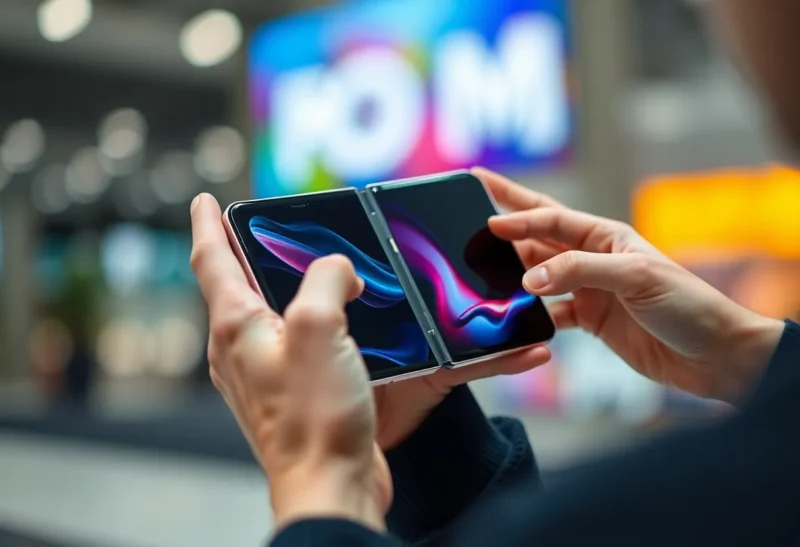
The first wave of consumer foldable phones — starting with Samsung’s Galaxy Fold in 2019 and expanding through 2020 and 2021 — attracted coverage that mixed genuine amazement at the engineering with well-documented reliability concerns. Early foldables had crease issues that reviewers couldn’t ignore, hinge mechanisms that were sensitive to dust and debris, inner screens that felt fragile despite UTG (Ultra Thin Glass) protection, and software that hadn’t fully adapted to the new form factor. The general verdict was: impressive technology, not ready for most people.
Four years of annual iteration have substantially changed this picture. The Samsung Galaxy Z Fold 6, Google’s Pixel Fold 2, Honor’s Magic V3, and Motorola’s Razr Plus represent a generation of foldables that have addressed most of the original criticisms. The question worth asking in 2026 is not “are foldables ready?” — they clearly are for a substantial population of users — but what specific problems the form factor actually solves well and where the remaining trade-offs still live.
What Improved Most: Durability and Hinge Reliability
The hinge mechanism is the most technically challenging component of a foldable and the one that most visibly improved through iterations. Samsung’s Flex Hinge and its successors are meaningfully more robust than early designs, and the IPX8 water resistance that became standard across flagship foldables by the Z Fold 5/6 generation addressed one of the most practical durability concerns for everyday carry. Dust and debris ingress resistance — initially absent and the cause of early screen failures — improved significantly with tighter hinge sealing in later generations.
The crease is still there, but the conversation around it changed. Early foldables had creases that were obvious in direct lighting and distracting to users who noticed them. Current-generation foldables have creases that are less pronounced and that most users adapt to quickly — the reviews consistently note that the crease registers more in photos than in actual use. This isn’t fully solved, but it’s evolved from “dealbreaker” to “minor adjustment.”
Durability data from real-world users has also improved the picture. Samsung has sold millions of Z Fold and Z Flip units; the anecdotal failure rate from early adopters was high and got significant coverage, but the improved hinge and screen protection on later generations have shown meaningfully better longevity in user reports. Third-party durability testing from channels like JerryRigEverything shows current-generation foldables surviving real-world abuse that earlier generations couldn’t. These are premium-priced devices with premium-level build quality expectations, and they’re increasingly meeting them.
The Use Cases That Actually Work
Book-fold phones (Galaxy Z Fold, Pixel Fold) have identified their strongest use cases through real-world user adoption data: productivity users who genuinely benefit from the tablet-sized inner display, people who use their phone heavily for reading and consuming content, and users who do meaningful document work on mobile. The inner display running two apps side by side — a common usage pattern — is genuinely more useful than the experience is on a standard phone screen. Reading a document while referencing notes, watching a video while texting, or having a web page and a translation app visible simultaneously are meaningful usability improvements over flipping between apps on a smaller screen.
The camera cover screen feature has also matured into a compelling use case. Most book-fold phones now allow using the outer cover screen as a viewfinder while pointing the higher-quality rear cameras at the subject — enabling selfie-quality shots with the main camera array, which produces significantly better results than front cameras for most users. This is a use case that doesn’t exist on any non-foldable form factor and has genuinely differentiated foldables for users who care about photo quality in social situations.
Flip-fold phones (Galaxy Z Flip, Motorola Razr) have a different value proposition: a compact pocket form factor that unfolds to full phone size, often with a larger-than-expected cover display that handles notifications and quick tasks without opening the phone. The Razr Plus in particular developed a larger cover display that runs full apps, allowing substantial use without unfolding. For users who want a smaller pocketable phone but don’t want to give up screen size when needed, the flip form factor solves a real problem that standard phones can’t address.
What’s Still a Trade-Off
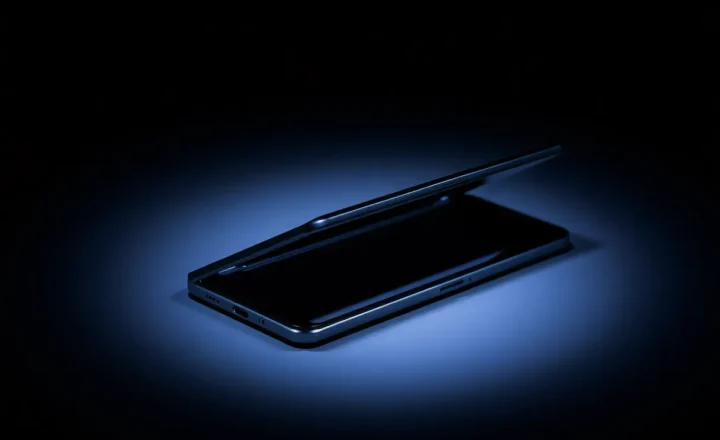
Thickness and weight remain real. A Galaxy Z Fold 6 folded is significantly thicker than any standard flagship phone — the engineering of a foldable display and hinge requires a minimum stack height that current technology hasn’t eliminated. For users who care about pocket bulk, a foldable carries more perceptible weight and thickness than a standard glass-slab phone. The improving trend is clear (current Z Fold 6 is thinner folded than Z Fold 3 was), but the gap remains.
Price is still a premium market reality. Book-fold phones start at $1,800 and top out above $2,000 for storage variants; flip phones are somewhat more accessible starting around $999 but still command significant premiums over comparable-tier standard phones. The price premium has been declining as manufacturing yields improve and competition (Honor, Xiaomi, Motorola alongside Samsung and Google) drives competitive pricing, but the category remains premium by definition.
Software optimization is better but not complete. Android multitasking on large inner displays improved substantially with Android 12L and subsequent versions specifically targeting foldable form factors. But the third-party app ecosystem, while substantially better than it was in 2021, still has apps that don’t fully optimize for the larger display or the specific aspect ratios foldables produce. Windowed mode and split-screen work reasonably well for most apps; full-screen optimization for the inner display remains uneven for apps that aren’t from major developers.
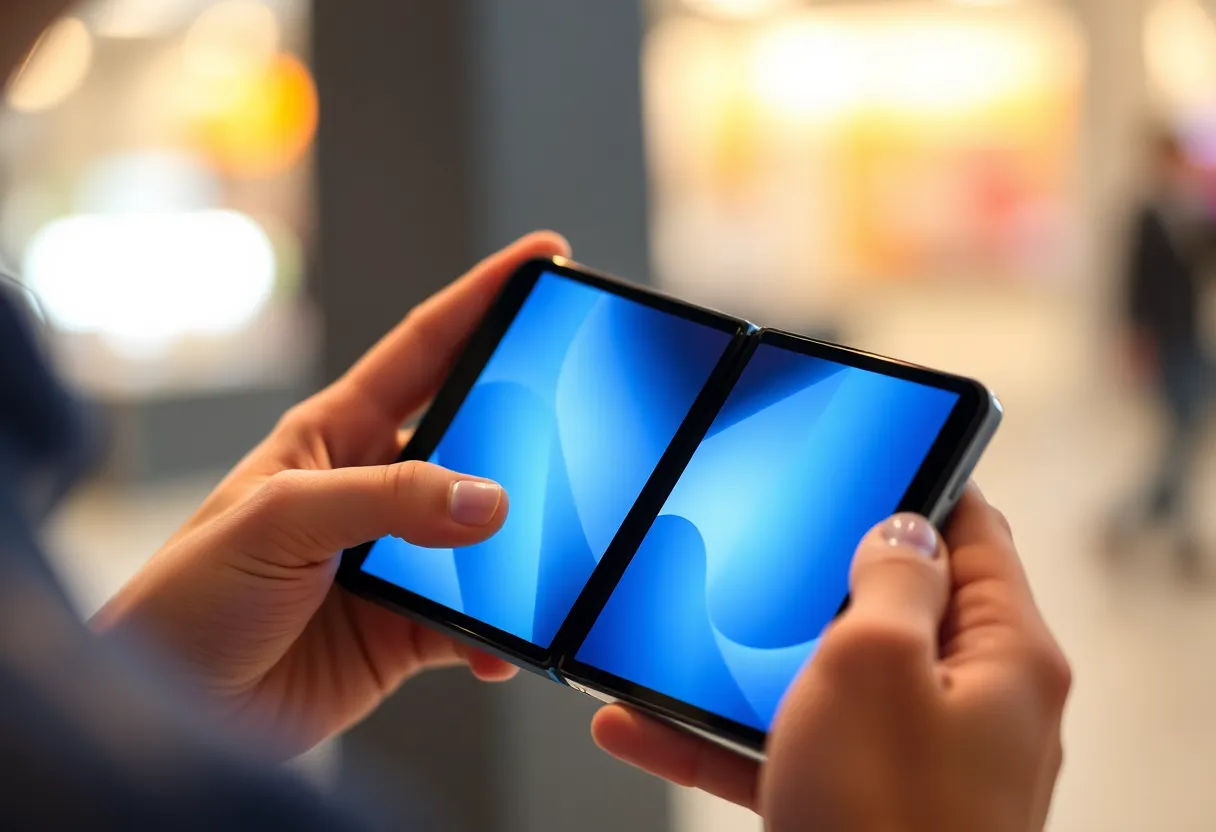
Who Foldables Are For Now
The population for whom foldables make clear sense has expanded significantly from the early adopter base. Book-fold phones make most sense for: heavy mobile productivity users, people who do meaningful document and spreadsheet work on phone, users who read extensively on their phone and would benefit from more display real estate, and users who want the camera-as-viewfinder cover screen feature.
Flip-fold phones make sense for: users who want the smallest possible closed footprint without giving up a full-size display, people who find the cover display’s quick-glance functionality genuinely useful for reducing full phone interaction, and users who value the aesthetic differentiation as much as functional use.
Standard glass-slab phones remain the right choice for: users who prioritize minimizing pocket bulk, anyone who wants the absolute best camera system (top-tier camera hardware is still more concentrated in standard flagships than in foldables, though this gap is closing), and users who want premium specs without the premium foldable price. The foldable segment has matured to the point where it serves real user needs rather than representing a technology demonstration — and for the users it serves, the iteration improvements since 2019 have made the difference between a compelling concept and a genuinely good daily driver.