Apple Watch Ultra vs Standard: When the Upgrade Cost Is Actually Justified

Chris Walsh
July 7, 2026
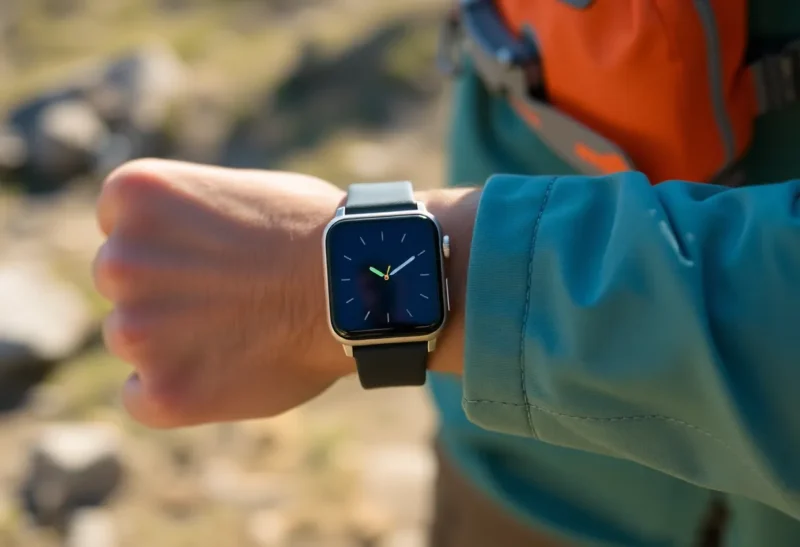
The Apple Watch Ultra costs roughly three times as much as a standard Apple Watch Series. That price gap has always demanded justification, and Apple’s marketing has supplied one: the Ultra is for serious athletes, outdoor adventurers, divers, and people who need the watch to survive conditions that would destroy a normal Watch. It’s positioned as a professional-grade tool for demanding use cases, not an incremental upgrade.
That positioning is accurate for some buyers and deeply misleading for others. The Ultra genuinely has capabilities the standard Watch lacks, and those capabilities are genuinely valuable for specific activities. But understanding which capabilities those are — and which ones are marketing-grade differentiators that don’t change anything for most users — is necessary to know whether the Ultra makes sense for you or whether you’re paying a premium for features that won’t affect your daily use.
What the Ultra Actually Does Differently
The Ultra’s most substantive advantages over the standard Apple Watch Series are battery life, physical durability, the Action button, and depth-rated water resistance. Let’s take each one directly.
Battery life is the Ultra’s clearest practical advantage. Apple rates the Ultra at up to 60 hours in Low Power Mode versus 18 hours for the Series on normal use. Real-world battery life is lower than rated in both cases, but the ratio holds: the Ultra consistently delivers multi-day battery life for users who don’t push features hard, while a standard Watch typically needs daily or every-other-day charging. If you find yourself forgetting to charge your Watch or wanting to wear it through multi-day activities (hiking, camping, travel days where you don’t sleep at a predictable time), the battery life alone is a real quality-of-life improvement. For users who charge nightly without issue, this advantage doesn’t affect them.
The titanium case and sapphire glass provide genuinely higher impact and scratch resistance than the aluminum case on standard Watch models. The Ultra has MIL-STD-810H certification for temperature, shock, and vibration, and its flat sapphire display resists scratching that would mark the Ion-X glass on aluminum Apple Watches. If you work with your hands, do trail running where your wrist contacts rocks and branches, or have a history of scratching watch displays, this matters. For office workers and casual users who don’t subject their watch to mechanical stress, it’s theoretical protection they never need.
The Action button — a physical programmable button on the left side of the Ultra — is more useful than it sounds in reviews. Having a physical button you can press without looking at the screen, configurable to any action (start a workout, toggle a workout metric, trigger a shortcut), is genuinely valuable during exercise. Tapping a small touchscreen display with sweaty fingers while running or cycling is worse than pressing a physical button. The Series 9 and later also have the double-tap gesture as a hands-free interaction option, which somewhat reduces the gap, but the Action button is better for specific scenarios.
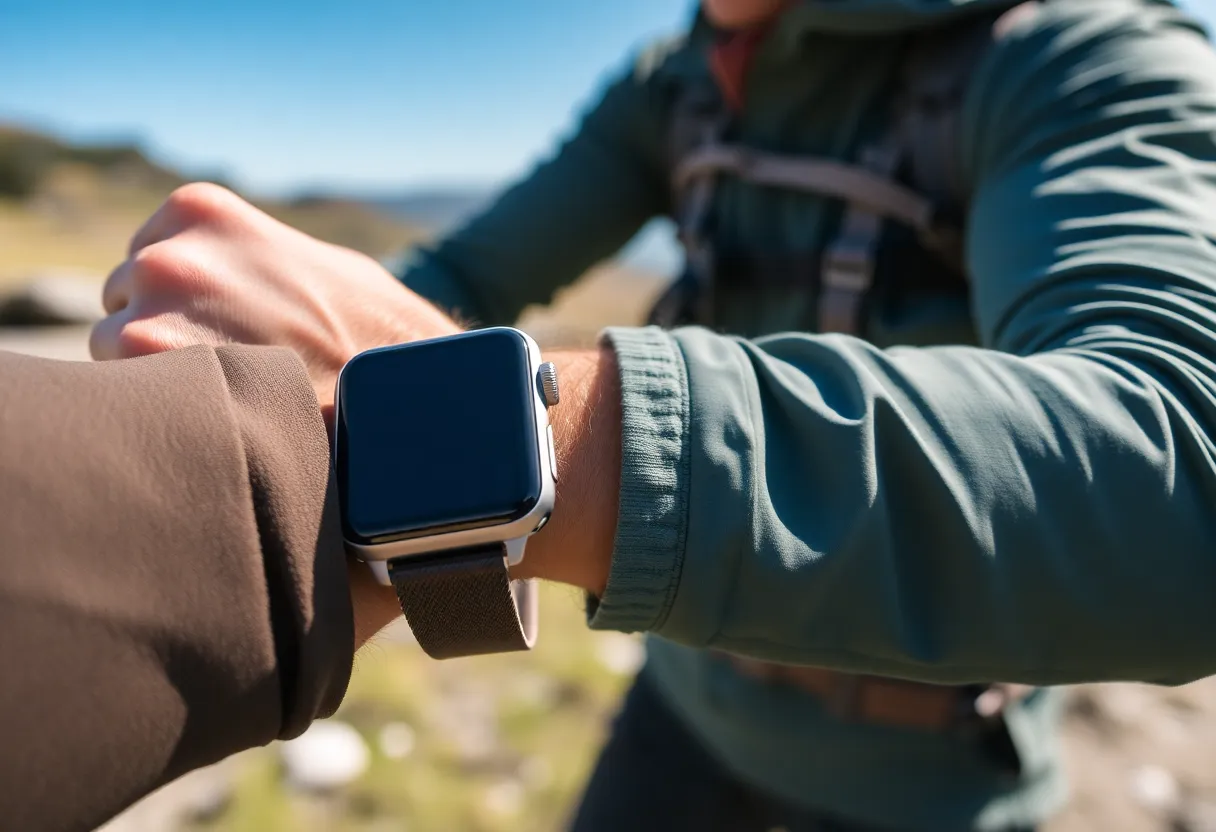
The 100-meter water resistance (versus 50 meters on standard Apple Watch) with EN13319 dive computer certification matters if you dive. Recreational scuba diving is within the Ultra’s rated depth, and with the Oceanic+ app it functions as a full dive computer. The standard Watch is swim-proof but explicitly not for scuba. For non-divers, both are fine for swimming, showering, and surf exposure without distinction.
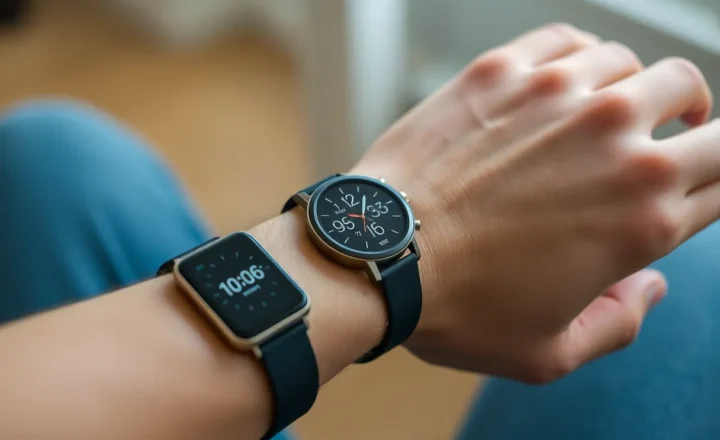
The larger display and case size (49mm versus 45mm for the larger standard Watch) provides more display area for metrics, and the brighter maximum display (up to 2000 nits on the Ultra) is meaningfully more readable in direct sunlight. These are quality-of-life improvements rather than capability differences, and they come with the trade-off of a larger, heavier watch on your wrist. The Ultra is noticeably bigger than a standard Watch and some users find the size uncomfortable for all-day wear.
What the Ultra Doesn’t Do That Marketing Implies
Health tracking and fitness features on the Ultra are functionally identical to the standard Apple Watch Series. The heart rate monitor, SpO2, ECG, crash detection, fall detection, and sleep tracking all use the same sensors and the same algorithms. You are not getting better health data from an Ultra. The temperature sensor added in recent generations is present in both Ultra and standard Series. If your primary use case for an Apple Watch is health monitoring, notifications, and daily fitness tracking, the Ultra’s sensors offer nothing the standard Watch doesn’t.
GPS accuracy is slightly better on the Ultra due to its dual-frequency GPS (L1 + L5), which matters for precision sports tracking in challenging environments — running under tree cover, in urban canyons, or at speed where single-frequency GPS occasionally drifts. For trail runners and cyclists who care about precise route recording, this is a real (if modest) improvement. For step tracking, general fitness monitoring, and casual run data, single-frequency GPS on the standard Watch is accurate enough that you won’t notice the difference.
watchOS features are identical. Every software capability, every app, every notification, every Apple Watch app on the App Store — all of it works identically on Ultra and standard Apple Watch. You are not buying a software advantage with the Ultra. Everything the Ultra runs, the Series runs too.
The User Profiles Where Ultra Is the Right Choice
Based on the actual capability differences, the Ultra makes sense for a specific, well-defined set of users.
Endurance athletes who use the Watch for activity tracking during long events — ultra marathons, long cycling rides, multi-day hikes, triathlons — genuinely benefit from battery life that doesn’t require mid-activity charging and Action button access during exercise. The GPS precision improvement also matters for route accuracy during long outdoor activities. These users get real utility from the Ultra that the standard Watch can’t match.
People who do water sports including surfing, open water swimming, kayaking, and particularly scuba diving benefit from the durability and depth certification. The rubber lugs on the Alpine Loop band are genuinely better for wet activities than standard Watch bands. The watch was designed for these use cases and it shows.
Users who want multi-day battery life and are willing to pay for it. Some people simply dislike daily charging. If the Ultra’s 3-day battery life in real-world use would improve your experience enough to be worth the premium, it’s a defensible purchase even if you don’t do endurance sports.
The User Profiles Where It Isn’t
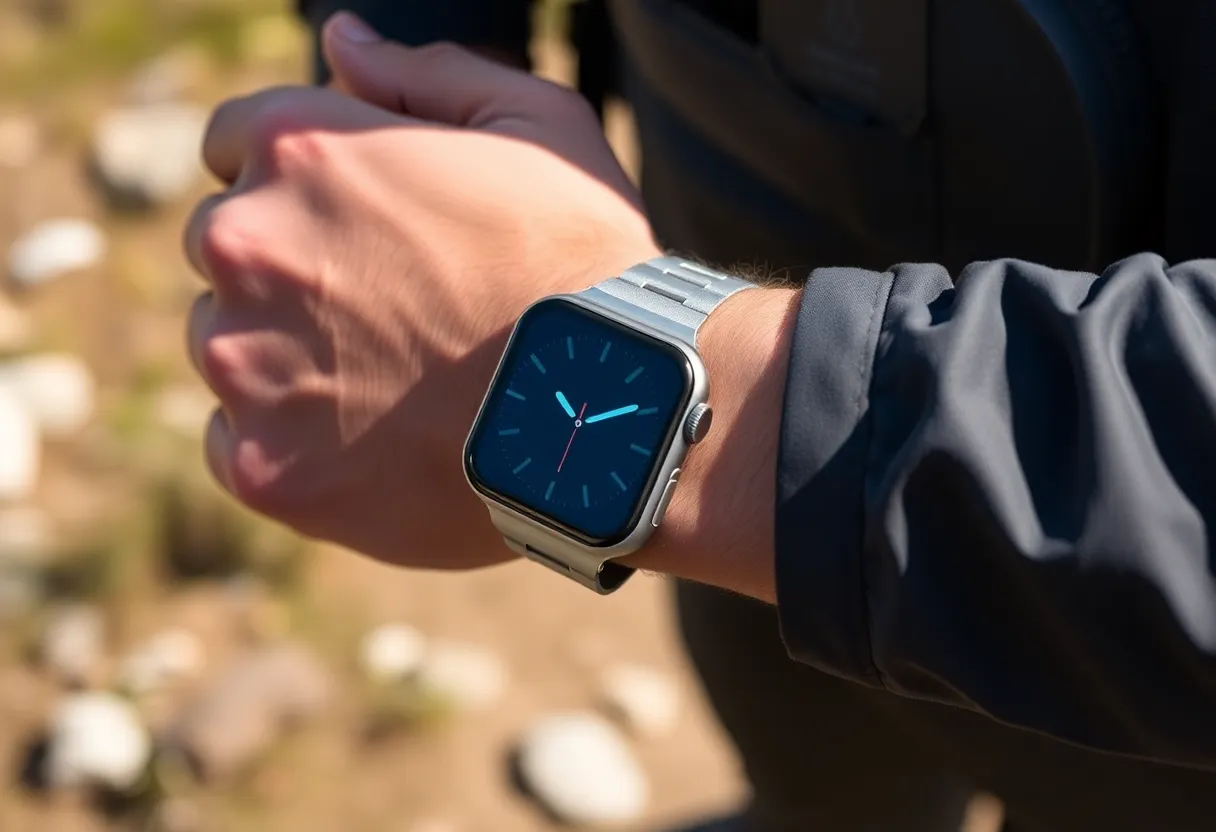
The Ultra is probably the wrong choice if: you charge your Watch nightly without it bothering you, you don’t regularly do activities where the physical size and durability provide genuine benefit, you use the Watch primarily for health monitoring and notifications, and you don’t dive or do high-intensity outdoor sports.
For those users, the standard Apple Watch Series delivers identical software capabilities, equivalent health sensors, and substantially better value. The premium goes toward titanium you’ll never scratch, depth rating you’ll never need, and battery life that exceeds what your routine requires. That’s not nothing if the larger screen and physical quality feel worthwhile to you — luxury goods have value beyond utility — but it’s worth being clear that you’re buying quality rather than capability at that point.
The cleaner way to think about it: Apple Watch Ultra is a purpose-built tool for specific active use cases that happen to also work well as a daily smartwatch. Apple Watch Series is a daily smartwatch that also handles most fitness tracking needs. If your activities fit the Ultra’s design intent, it earns its price. If they don’t, the standard Watch does everything you need for considerably less.