Ham Radio for Software Developers: Licensing Without the Gatekeeping Aesthetic

David Shaw
April 8, 2026
Software developers are drawn to systems with layers: protocols, stacks, failure modes you can model. Amateur radio is one of the oldest participatory protocol hobbies on Earth—and it has a reputation problem. Online forums can feel like a club handshake written in all caps. The hobby itself, though, is simply licensed experimentation on shared spectrum. You can enter without adopting anyone’s personality; you just pass a test and follow power and frequency rules.
Why engineers bother
Ham radio is not “better cell service.” It is a sandbox for antennas, propagation, digital modes, emergency nets, and satellite passes. If you already enjoy SDR waterfall displays or timing signals, the leap is smaller than the memes suggest. The license grants legal access to bands where you can build, break, and learn without pretending Wi-Fi is the whole electromagnetic story.
Licensing in practical terms
Many countries tier licenses by privilege. In the United States, Technician class gets you VHF/UHF access—enough for local repeaters and plenty of experimentation. General and Extra unlock HF, where intercontinental contacts become realistic. Exams are multiple-choice; study apps and clubs exist specifically to remove mystery. Morse code is not required for U.S. licenses anymore, though learning CW remains a rewarding side quest if you like elegant constraints.

Gatekeeping versus norms
Every community has grumps. Radio has jargon (“73”, phonetics) that functions like HTTP status codes—shorthand, not mysticism. You can learn net etiquette without cosplaying a mid-century broadcaster. The useful norm is shared spectrum stewardship: identify legally, use minimum power, yield to emergency traffic. Everything else is culture you can sample at your own pace.
Hardware: start small, iterate like any prototype
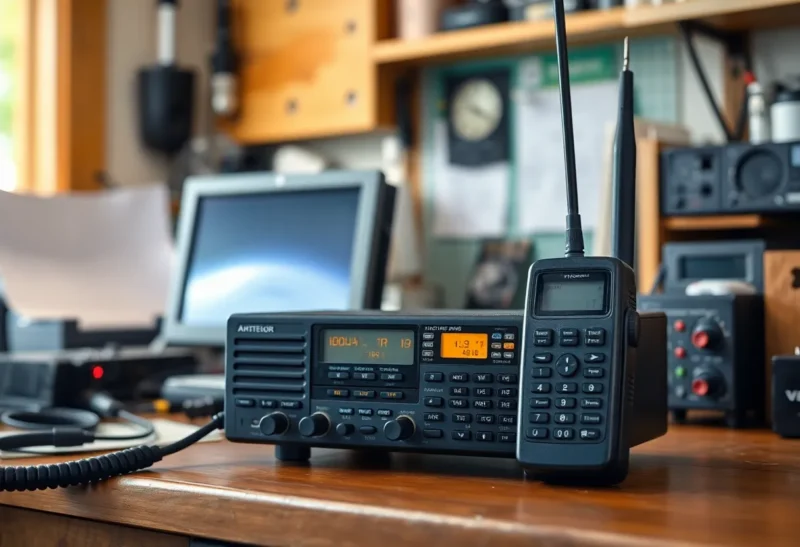
A handheld transceiver and a cheap antenna get you on local repeaters. From there, homebrew dipoles, digital hotspots, and satellite tracking scripts follow naturally if you enjoy projects. Resist the urge to buy a kilowatt of regret before you understand feedlines.
SDR overlap: your laptop is already curious
Software-defined radio bridges ham and dev worlds: GNU Radio, rtl-sdr, decoding ADS-B or weather satellites. You do not need a license to listen in many jurisdictions—transmitting is where law bites. Treat spectrum like production: test in isolation before you key up.
Emergency communications: reality check
Amateur operators sometimes assist when infrastructure fails—storms, earthquakes, grid outages. That service depends on training and relationships with local agencies, not on buying a shiny radio. If civic resilience motivates you, join drills and nets; if not, ignore the marketing and treat ham as pure learning.
When not to bother
If you dislike regulatory boundaries or maintaining antenna hardware, ham radio will feel like unpaid on-call. That is fine. The spectrum will still exist without you. But if you want a physical layer hobby that rewards systems thinking, the barrier is mostly paperwork and patience—not mystical initiation.
Get the license, be polite on the air, and build weird antennas with the same joy you bring to weekend side projects. The hobby needs curious newcomers more than it needs another lecture about the good old days.