Hydrogen Fuel Cell Passenger Cars: Where Deployment Stalled Outside Fleet Pilots

Jordan Lee
April 8, 2026
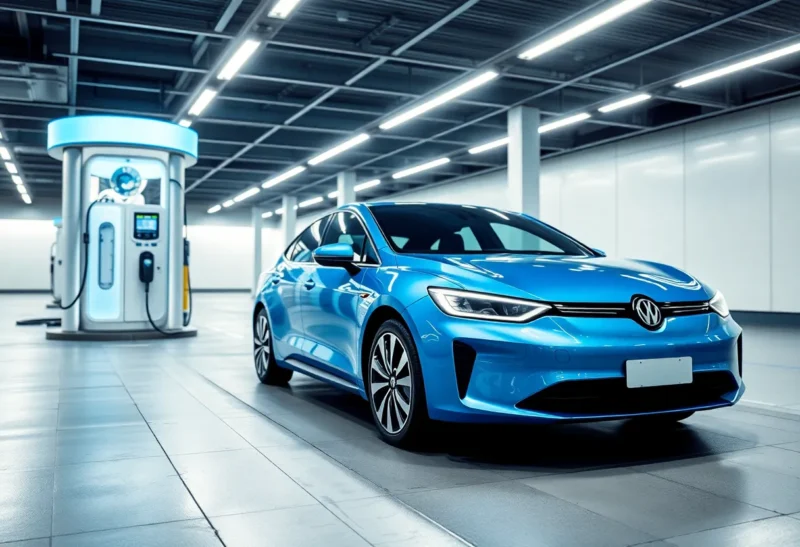
For years the hydrogen sedan was going to be the sensible compromise: refill in minutes, tailpipe emissions that are mostly water, and a driving experience closer to a gasoline car than an hour on a DC fast charger. Fleets and heavy trucks still bet on hydrogen for specific duty cycles. But the showroom story for passenger fuel cell vehicles has moved at the speed of infrastructure—not silicon. Here is why deployment outside fleet pilots stalled, what physics and economics have to say, and where hydrogen still refuses to disappear.
What a fuel cell car actually is
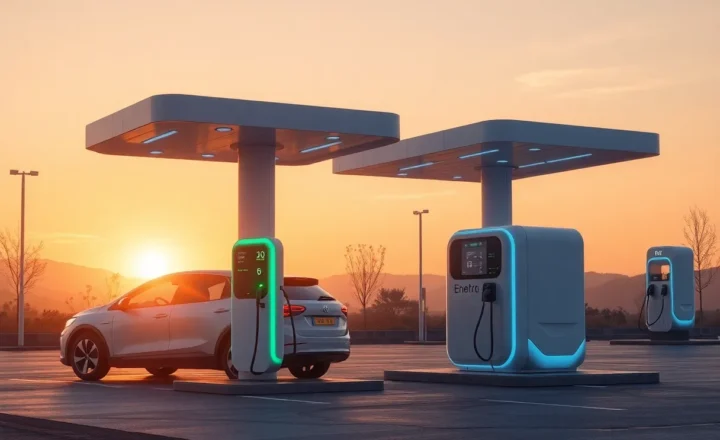
A hydrogen fuel cell electric vehicle (FCEV) is still an electric car: motors, inverter, battery buffer for regen and peak loads. The difference is energy storage. Instead of charging a large traction pack from the grid, you carry compressed hydrogen and convert it to electricity onboard through a fuel cell stack. Refueling resembles pumping gas—when a station exists, is open, and prices are sane.
Why fleets moved first
Fleets love predictable routes and centralized fueling. A municipal bus depot or drayage truck hub can amortize one electrolyzer or delivery contract across dozens of vehicles. Retail customers need a mesh of stations with uptime guarantees. Building that mesh for sedans is a capital-intensive coordination problem spanning utilities, retailers, and automakers—while battery electric vehicles (BEVs) piggyback on grid upgrades people already pay for at home.
Energy efficiency: the round-trip penalty
From electricity to hydrogen and back to wheels, each conversion step costs efficiency. Rules of thumb evolve with technology, but the directional truth matters: if your upstream goal is decarbonizing transport with limited clean electrons, direct electrification often spends fewer of them per mile. Hydrogen’s defenders argue it shines where batteries are heavy, cycles are brutal, or grid connections are impossible. Passenger sedans rarely hit those extremes compared with long-haul trucks or steel plants.
Chicken, egg, and the retail station map
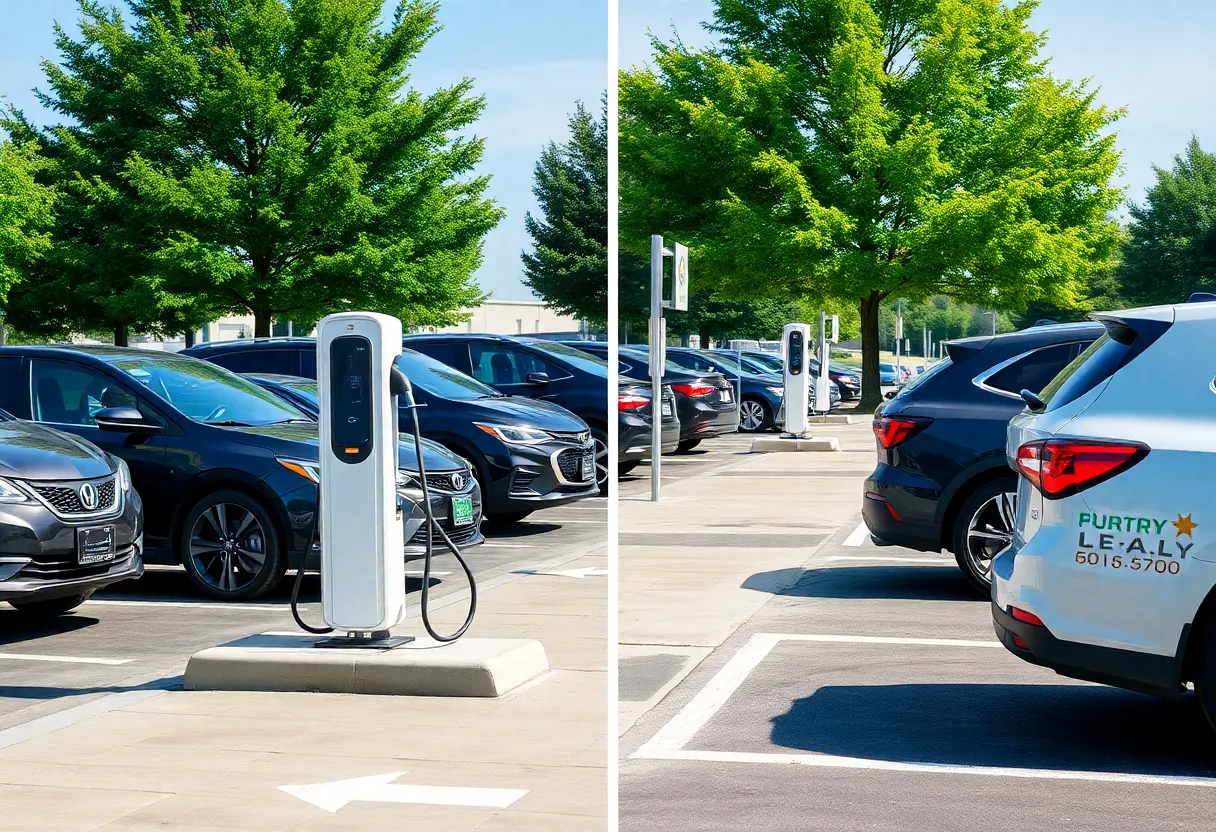
Most drivers will not buy a car that strands them two hundred miles from the next working pump. Automakers hesitate to scale models without stations; station operators hesitate without cars; investors watch utilization curves. Battery EVs partially cracked the loop with home charging—fuel cell cars cannot rely on a garage compressor for most people.
Regional splits matter
Japan and parts of Korea invested in consumer FCEVs and station networks early; California experimented with clusters and incentives. Europe mixes hydrogen into industrial policy with different urgency per country. None of these geographies has replicated the global momentum of plug-in sales. The lesson is not that hydrogen “failed,” but that passenger markets reward charging ubiquity more than they reward chemistry elegance alone.
Safety, perception, and the headline cycle
Hydrogen is safe when handled with the same discipline as other high-pressure fuels, but rare incidents echo loudly. Meanwhile, battery fires—statistically manageable—get their own scare coverage. Public acceptance is not purely rational; it is narrative. FCEVs needed a cleaner story than “find the one pump that works Sunday night.”
Total cost of ownership beyond sticker price
Lease incentives, fuel credits, and HOV lane perks once made early adopter math tolerable. As BEVs diversified into mass-market price bands, hydrogen sedans faced comparisons with vehicles that refuel overnight for pennies per mile. Maintenance on FCEVs is not exotic—electric drivetrains are simple—but fuel price volatility and station availability dominate the ownership experience more than motor wear ever will.
Plug-in hybrids as the awkward middle sibling
Buyers who fear range anxiety often land on plug-in hybrids first: electric miles for commuting, gasoline for road trips. That pathway siphons showroom attention from hydrogen without requiring new retail fuel. Until hydrogen stations feel as boringly reliable as a gas station on every interstate exit, passenger FCEVs compete with two mature alternatives instead of one.
Where hydrogen still makes sense on the road
- Heavy freight and return-to-base logistics when weight and downtime costs dominate.
- High utilization shuttles with captive refuelers—airports, ports, corporate campuses.
- Regions coupling hydrogen to steel, ammonia, or seasonal storage, creating transport synergies.
Passenger sedans sit awkwardly in that list: not heavy enough to laugh at batteries, not captive enough to ignore public refueling.
So is the fuel cell family car dead?
Not dead—just niche. New models may continue in markets with policy support and station subsidies. For the average buyer in 2026, plug-ins plus home charging solve daily miles; hydrogen’s pitch must prove incremental convenience worth incremental infrastructure cost. Until that math flips regionally, fleet pilots will keep teaching lessons that showroom brochures struggle to scale.
If you love the technology, root for electrolyzer cost curves and station uptime—not just concept cars. The fuel cell was never only an engineering problem; it was always an orchestration problem. Passenger cars were simply the hardest stage on which to open that show.