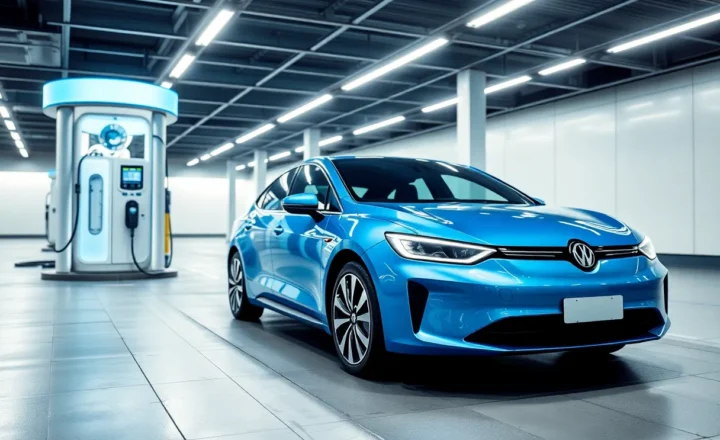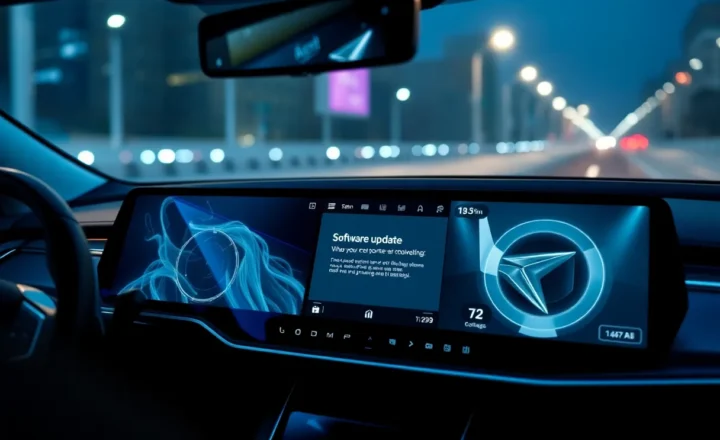
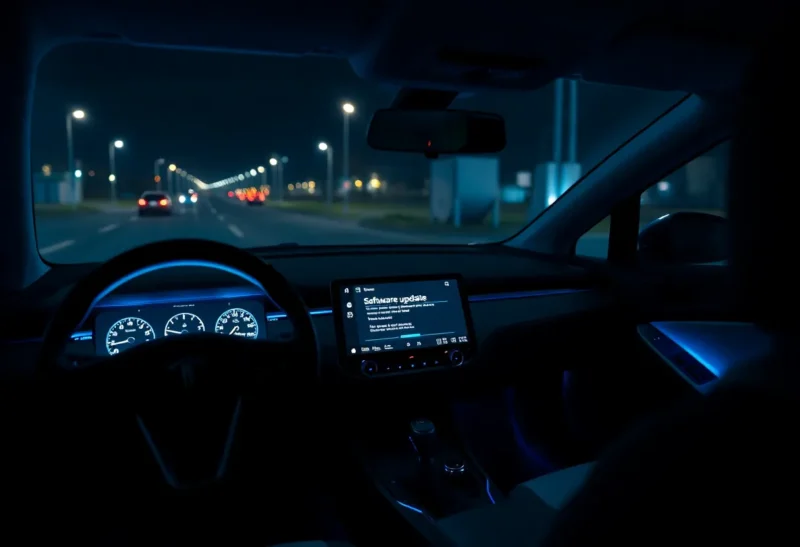
Your car used to be a fixed object. You bought it, you drove it, and aside from the occasional recall or dealer visit, what you had on day one was largely what you had for years. Today, if you own a modern electric vehicle or a connected car, that’s no longer true. Over-the-air (OTA) updates can change how your car drives, how far it goes, how its screen looks, and which features work—often with little more than a notification and a “Download” button. For many owners, that feels less like an upgrade and more like a gamble.
The Promise Versus the Reality
OTA updates are sold as a win for everyone. Manufacturers fix bugs without a trip to the dealer. You get new features and improvements for free. The car gets better over time instead of slowly becoming obsolete. In theory, it’s the same model that made smartphones feel so dynamic: your device evolves in your hand.
But a car isn’t a phone. When an app update goes wrong, you force-quit and reinstall. When a vehicle update alters throttle response, brake feel, or range estimation, you’re driving a different machine—and you might not know exactly what changed until you’re already on the road.
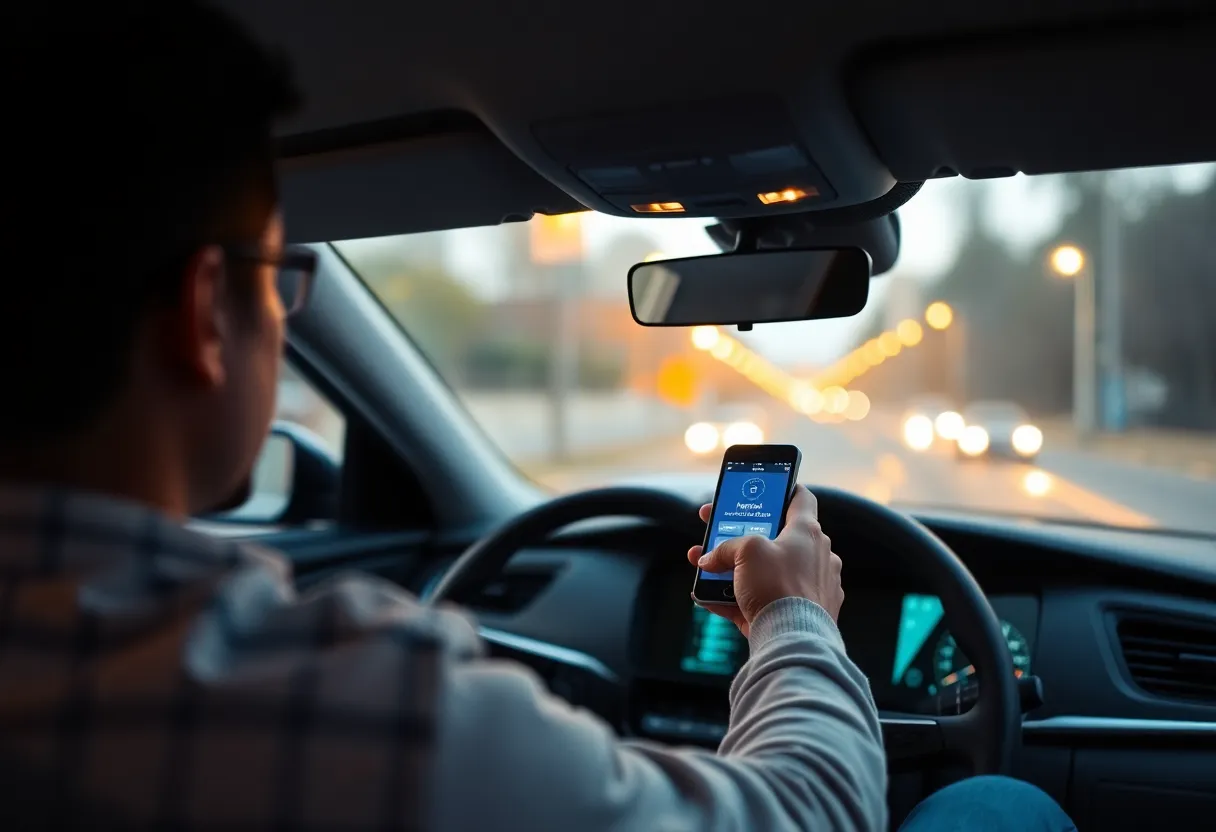
What You’re Really Agreeing To
Most OTA update prompts are vague. “This update includes performance improvements and bug fixes.” Performance how? Bugs where? Some automakers do better: release notes that mention specific areas like “improved cold-weather battery behavior” or “navigation map update.” Many still don’t. You tap “Install” without a clear picture of what will change in the car you rely on every day.
Worse, the timing is often out of your control. Updates may be pushed when the car is parked and idle, or they may require you to approve a slot. Either way, the content of the update—and its impact on drive feel, range, or features—is rarely spelled out in plain language. You’re trusting that “improvements” means improvements for you, not just for the manufacturer’s metrics or liability.
When Updates Go Wrong
Stories of OTA updates that backfire are easy to find. Owners report reduced range after an update, with no option to roll back. Features that worked one day disappear or behave differently the next. Infotainment systems that were snappy become laggy. In a few high-profile cases, updates have altered braking or power delivery in ways that made drivers feel less safe, not more.
Even when nothing goes catastrophically wrong, the experience can feel like a regression. A UI you’d learned is reorganized. A favorite shortcut is gone. The car’s personality—the way it accelerates or how the regen feels—shifts. For people who drive the same vehicle every day, that’s disorienting. You didn’t ask for a new car; you asked for an update.

The Transparency Problem
Accountability is thin. If an update reduces your car’s range or changes its behavior, there’s usually no formal changelog you can hold up and say “this is what you changed.” Customer support often can’t—or won’t—detail the exact differences between software versions. Rollbacks are rare; once an update is applied, you’re typically stuck with it until the next one.
That asymmetry is the core of the gamble. The manufacturer holds the code, the data, and the decision of what to push. You hold the risk. When it goes well, they get credit for “continuous improvement.” When it goes poorly, you’re left debugging your daily driver with no visibility into what actually changed.
How to Reduce the Gamble
You can’t eliminate the uncertainty entirely, but you can shrink it. First, don’t install updates right before a long trip or a critical day. Give yourself time to live with the new software and notice any changes in range, performance, or behavior. Second, seek out owner forums and communities where people report what they’ve seen after specific update versions. Crowdsourced experience is often more informative than the release notes.
Third, if your car allows it, choose when updates run—e.g., overnight or on a weekend when you’re not depending on the vehicle. And fourth, keep a mental (or actual) note of how your car drove and what your typical range was before an update. If something shifts, you’ll have a baseline to compare against when talking to support or deciding whether to escalate.
The Bottom Line
OTA updates are here to stay. They can deliver real value: safety fixes, better efficiency, and new features without a dealer visit. But until automakers treat vehicle software updates more like a partnership—with clear, honest release notes and realistic rollback options—the experience will continue to feel like a gamble. You’re not just updating an app; you’re changing the machine you trust to get you home. It’s reasonable to expect more transparency and control than we have today.