Consumer BCI Headlines vs Accessibility: What Neurology Patients Actually Get Today

Zara Nader
April 8, 2026
Brain-computer interfaces make dazzling headlines: mind-controlled drones, telepathic typing, billionaires demoing implants on stage. Meanwhile, people living with ALS, stroke sequelae, or locked-in states often meet simpler technologies first—eye trackers, switch scanning, predictive keyboards—that work today with insurance codes and occupational therapists in the loop. This article contrasts consumer hype with clinical accessibility reality, without diminishing either the promise of research or the dignity of present-day tools.
Readers excited about neural engineering deserve accurate framing; readers navigating disability today deserve respect for the tools they already use. Those audiences overlap more than tech Twitter admits. We can hold two truths: the field is advancing quickly, and “quickly” in medicine still means years, not sprint cycles—patience is not pessimism.
What “BCI” means in a hospital chart
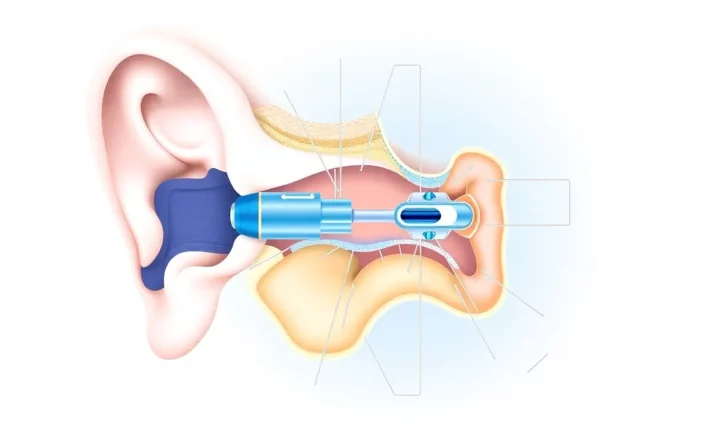
Clinicians distinguish invasive implants, minimally invasive procedures, and non-invasive scalp EEG systems. Each path balances signal quality, surgical risk, infection control, and regulatory pathways. A flashy keynote demo is not a prescription; it is a milestone in a long evidence chain.
Signal processing realities intrude quickly: muscle artifacts, sweat, electrode drift, and day-to-day physiological change. Algorithms that look crisp in lab notebooks wobble in home lighting. That gap explains why conservative rollouts persist despite headlines.
Rehabilitation context matters
Stroke recovery differs from degenerative conditions. Timing windows, neuroplasticity, and caregiver capacity shape what “success” means. A BCI that helps one population may be irrelevant or risky for another. Personalization is medical, not merely UX polish.
What patients actually receive first
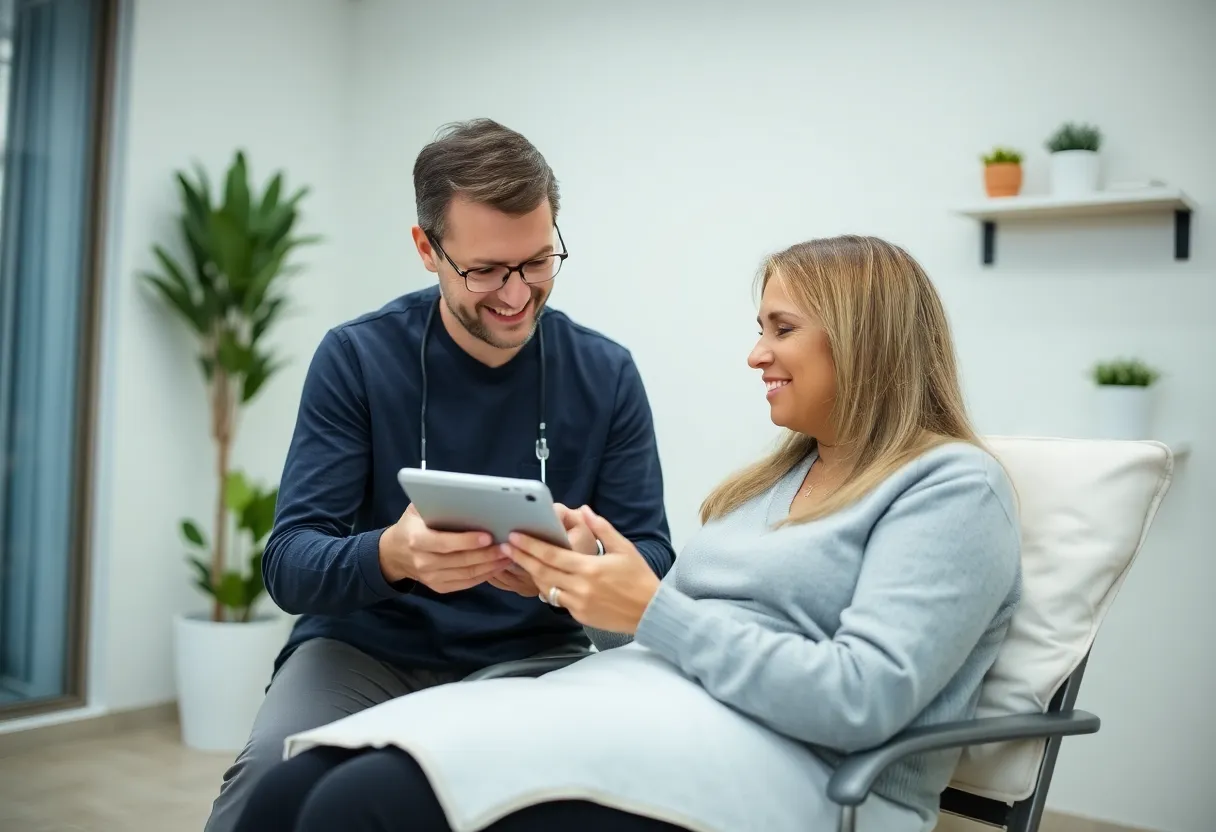
Often, low-tech wins: robust mounting arms for tablets, word prediction tuned to a person’s vocabulary, environmental controls that integrate with nursing routines. These are not sci-fi; they are independence. They also fail less often than prototype stacks, which matters when fatigue is a medical symptom.
Speech-generating devices with banked messages, partner-assisted scanning, and simple environmental controls can outperform half-baked “smart” stacks that demand constant troubleshooting. Occupational therapists optimize layouts; engineers should listen before overwriting workflows with novelty.
Insurance, paperwork, and the speed of bureaucracy
Even excellent hardware fails if approvals lag. Letters of medical necessity, prior authorizations, and durable medical equipment vendors move on timelines alien to software sprints. Advocates spend hours on hold—time not spent on therapy. Any serious accessibility discussion must name payer dynamics, not only silicon.
Why research timelines differ from consumer timelines
Clinical trials measure safety endpoints over years. Regulatory bodies ask for reproducibility across sites, not hero videos. Funding cycles and ethics boards move slower than venture news cycles. Expecting patients to wait for moonshots while ignoring existing assistive tech is its own kind of harm.
Publication bias skews public perception: successes surface loudly; abandoned arms vanish quietly. Meta-analyses take time; patients live in weeks. Humility about uncertainty should temper marketing claims.
Caregiver load and invisible labor
Devices do not operate in a vacuum. Partners reposition electrodes, charge batteries, troubleshoot Bluetooth, and translate doctors’ PDFs into action. A “seamless” demo often hides hours of skilled support. Designing for caregiver burnout is designing for patient outcomes.
Equity and access
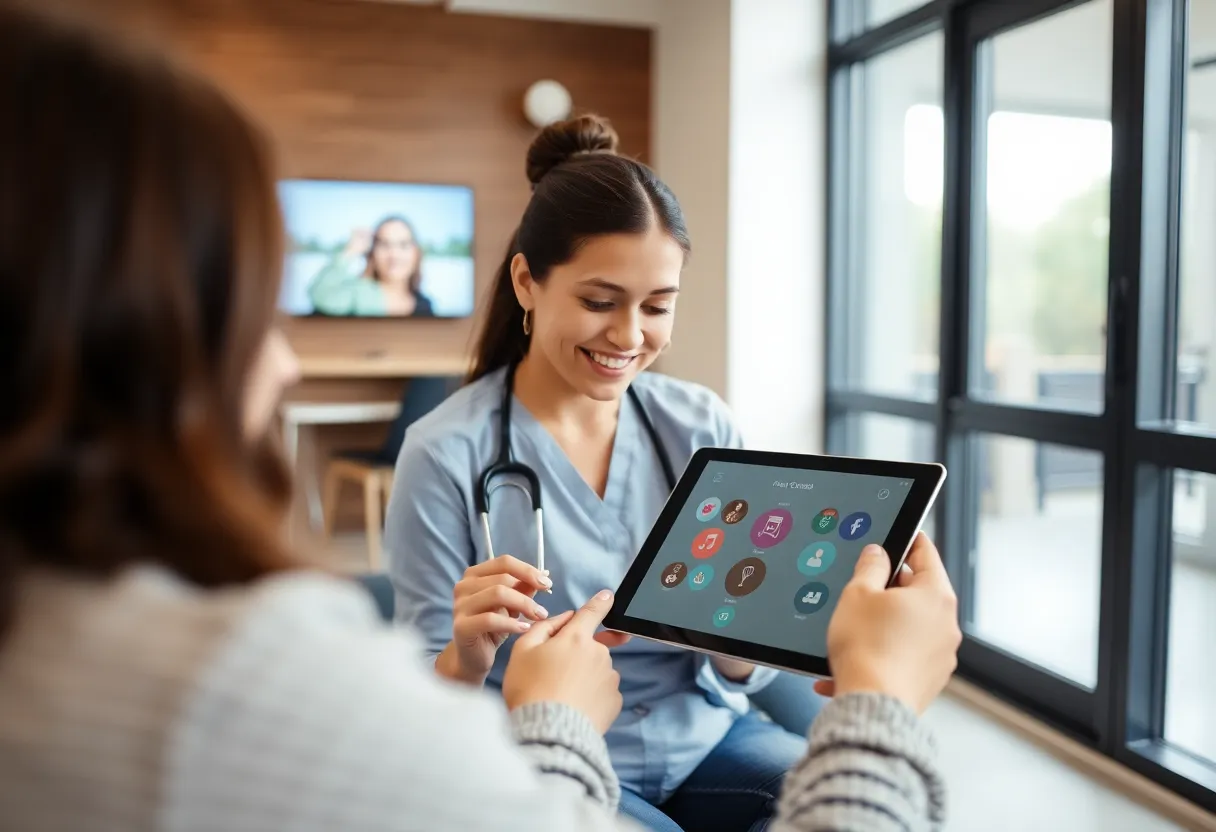
Cutting-edge BCI trials cluster at academic centers and select geographies. Travel, caregiving, and insurance barriers exclude many who might benefit. Meanwhile, mainstream assistive devices still face reimbursement fights. Progress requires parallel tracks: advance science while improving access to what already works.
Rural patients face internet and specialist shortages. Urban patients face traffic and parking taxes on clinic visits. Telehealth helps some assessments; hands-on fittings still matter. Designers who ignore geography reproduce inequality.
Data privacy and neural signals
Brain data feels intimate in ways keystrokes do not. Consent forms must explain retention, re-use, and breach scenarios plainly. Teenagers and cognitively diverse adults raise additional safeguards. “Move fast” culture clashes with neuroethics for good reasons.
Ethical edges
Consent, data ownership, and post-study support matter when brain data is involved. Patients are partners, not platforms. Narratives that “disrupt disability” risk ignoring voices from disabled communities who already know what they need.
Co-design is not a workshop buzzword—it shifts priorities. Button placement, error tones, and fatigue-aware session lengths belong to users with lived experience. Researchers who skip that step rediscover old mistakes expensively.
What responsible journalism looks like
Headlines should distinguish demonstrated cohort sizes, control conditions, and follow-up duration. Photos should show informed participants, not stock “inspiration porn.” Quote clinicians alongside founders. Context protects public trust—and patient safety.
Education and workforce gaps
We need more assistive technology professionals, not only more neural engineers. Training programs, fair wages, and career ladders matter. A breakthrough headset still needs someone competent to map it to a Tuesday afternoon at home.
Children, assent, and long horizons
Pediatric neurology introduces guardianship complexities. Devices that might be revised as kids grow need roadmaps families can understand. Schools add Individualized Education Program layers—timing, training, and stigma intersect. A cool lab result must translate into homework nights, not only conference posters.
Aging populations and comorbidities
Older adults may have thinner scalp signals, medication interactions, and sensory losses that change calibration. Fall risk rises when people reach for finicky gear. Simplicity often beats raw capability when tremor or arthritis enters the picture.
What “success” looks like outside metrics
Clinical trials love standardized scales; humans love texting a friend, adjusting a thermostat, or choosing a show without help. Qualitative endpoints belong in the story. If a device restores a small dignity, that is not a side effect—it may be the point.
Funding landscapes that distort priorities
Venture capital chases definable markets; rare conditions struggle for attention even when need is acute. Public funding and philanthropic bridges matter. Policy can align incentives so orphan indications see engineering—not only orphan drug style headlines, but assistive technology pathways.
Closing
Hope for neural interfaces is healthy; erasing today’s tools is still not okay at all. Celebrate research milestones without implying patients lack agency if they choose established assistive technologies. The future should expand choices, not shame the present—or rush people past support that already works.
Consumer gadgets borrowing BCI language
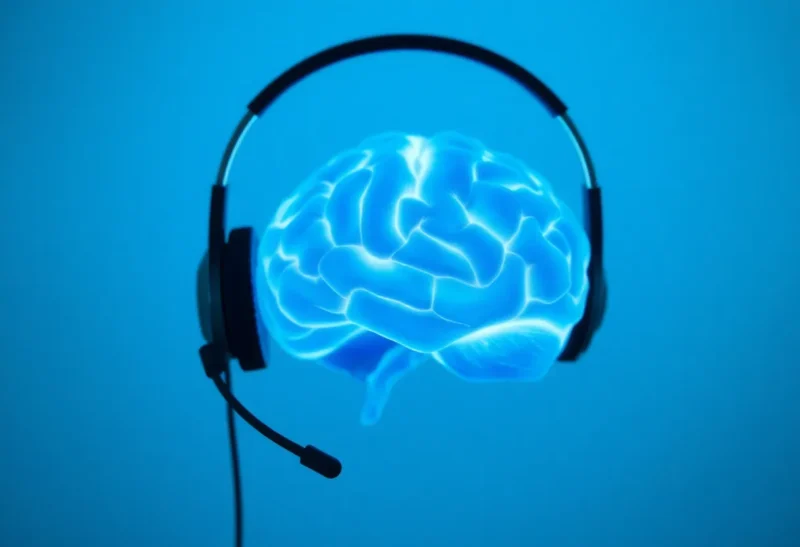
Wellness headsets and focus trainers sometimes borrow neuroscience aesthetics without clinical validation. Harm may be subtle—distraction from proven therapies, wasted money, misplaced optimism. Skepticism is not cynicism; it is proportion.
Mental health boundaries
Neural signals are not mind-reading. Conflating EEG toys with psychiatric diagnosis risks stigma and false confidence. Clear labeling and scope limits protect users—especially adolescents.
International perspectives
Regulatory regimes differ. A device cleared in one market may be unavailable elsewhere. Travelers with implants face airport security questions; documentation helps. Global equity is not uniform rollout—it is context-aware access.
How allies can help
Vote for durable medical equipment coverage, fund community organizations, and hire disabled experts as paid consultants—not token panelists. Amplify patient-led research agendas instead of only founder keynotes.
If you build, test with messy real homes: pets, kids, uneven Wi-Fi, and imperfect lighting. If you report, ask about dropouts and adverse events, not only peaks. If you fund, balance moonshots with maintenance for tools people rely on tonight.
The measure of progress is not how loud the demo room applauds—it is whether someone gains a reliable way to say “I love you” on a Thursday evening. Sometimes that arrives through a tablet and a therapist who cared enough to adjust the mount by three centimeters. Sometimes it arrives through a decade of science. Respect both timelines.
Intersections with neurodiversity
Attention and sensory profiles differ; some people find headsets intolerable while others tolerate them well. Universal design asks for options and opt-outs—not one-size-fits-all brain gadgets. Listen to autistic self-advocates and neurodivergent clinicians who warn against “fixing” identities that are not broken.
Language matters in public discourse
“Locked-in” metaphors can mislead; degrees of motor preservation vary. “Brave” narratives can pressure people to perform inspiration. Neutral, precise language respects autonomy. Ask people how they describe their own experiences before borrowing dramatic adjectives.
Maintenance, repairs, and the right to tinker
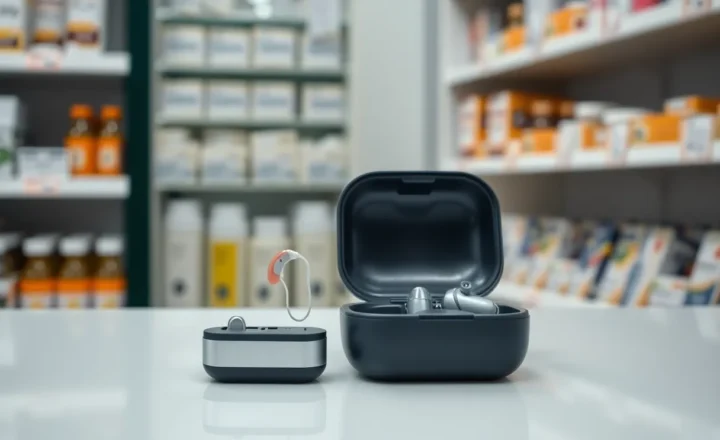
Sealed devices complicate repairs; proprietary chargers fail at cruel moments. Open-ish ecosystems with documented connectors help families keep systems running. Right-to-repair debates apply here as they do in phones—dependence without recourse is vulnerability.
Research participation as work
Participants spend time, endure discomfort, and generate valuable data. Compensation, travel support, and transparent exit plans honor that labor. Token gift cards do not erase power imbalances, but they signal respect more than “exposure” ever could.
Hope without erasure—a practical stance
Follow the science with optimism; fund assistive services with real urgency today. When you share an article about neural implants, pair it with resources people can use this month: disability rights organizations, AAC communities, and local centers for independent living. Hype plus help beats hype alone.
Clinicians, engineers, and the handshake between worlds
Weekly multidisciplinary rounds—not one hero inventor—keep patients safe. Firmware updates need clinical sign-off; symptom changes need differential diagnosis. Build communication channels so support tickets reach people who understand both spike sorting and bedside manner, because “turn it off and on again” is not a care plan.
When something fails at 9 p.m., families need a path that does not depend on a founder’s Twitter DM. Sustainable service models matter as much as hardware novelty—sometimes more, when someone’s voice depends on uptime.