Cheap Oscilloscopes and Garage Bench Safety: Where Software People Get Hurt First

Jade Wu
April 8, 2026
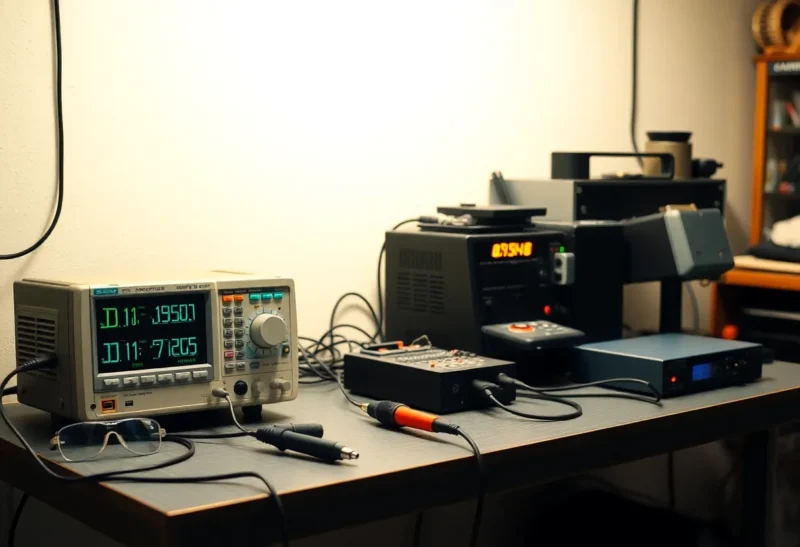
Software developers who wander into hardware often buy a cheap oscilloscope before they buy patience. The tool promises truth: a waveform where you once had only guesses. The bench also hides ways to get hurt that do not appear in Stack Overflow threads—mains voltage, capacitor banks, metal probes slipping at the wrong moment. This article pairs practical scope advice for beginners with honest safety notes so your first measurement is not your last.
Nothing here replaces certified electrical training or your local electrical code. Treat it as orientation: enough to ask smarter questions, respect limits, and know when to stop before a hobby becomes an emergency room anecdote you regret sharing.
What a scope actually buys you
Oscilloscopes plot voltage over time. Logic analyzers decode protocols; multimeters average slowly. Scopes shine when signals move faster than your eyes—PWM, ringing, noise. Entry-level scopes today are astonishing for the price, but bandwidth and sample rate limits still matter: if you chase gigahertz signals on a 50MHz frontend, you will see a polite fiction.
Sample rate interacts with bandwidth through Nyquist’s ghost: too few samples per second and aliases masquerade as real signals. Read the manual’s real-time sample rate at all channels enabled, not the headline number on the box. Memory depth determines how long you can capture at high rates—shallow buffers force ugly compromises between timebase and detail.
Triggers: stop the blur
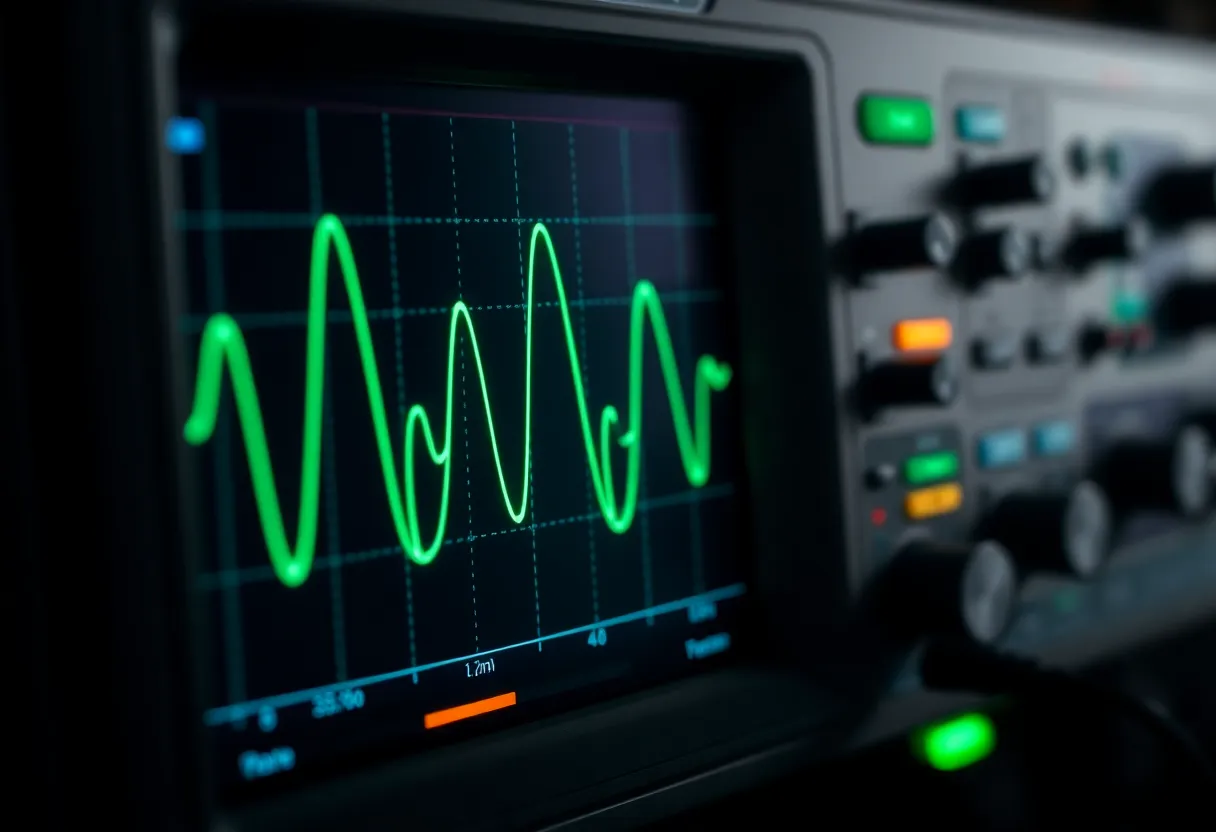
Beginners stare at free-running waves and feel seasick. Learn edge triggering, pulse width, and serial triggers if your scope supports them. Stable triggers turn chaos into diagnosis. For intermittent bugs, sequence modes and persistence displays help—if you have the patience to wait.
The first injuries are rarely exotic
They are slips: probe ground clips touching the wrong rail, soldering iron tips brushed bare-handed, hot air aimed at plastic that melts into fingers. Software folks underestimate how quickly 12V becomes painful when it shorts through a wedding ring. Remove jewelry; tie hair back; wear glasses—not for style but for splashes.
Lead-acid batteries in garage projects deliver enormous current into faults—enough to vaporize thin probes. Use appropriate fusing, thick wires where needed, and respect that “low voltage” is not synonymous with “safe.”
ESD and boards that stop working mysteriously
Winter dry air turns humans into walking Tesla coils. Ground yourself before touching FPGAs and RF parts. Anti-static mats help; humility helps more when you realize you killed a $40 chip to save $0 on a strap.
Mains-powered projects deserve respect
If your curiosity reaches live AC, stop and level up: isolation transformers, differential probes, GFCI outlets, and someone experienced beside you. Internet bravado is cheap; ventricular fibrillation is not. For most beginners, stay in low-voltage DC until fundamentals feel boring.
Never defeat ground pins to “fix” noise—that noise was trying to warn you. If you need floating measurements, buy the right probe instead of improvising with alligator clips and hope.
Bench layout as safety engineering
Separate “dirty” power supplies from sensitive measurement areas. Keep coffee away from electronics—liquids cause shorts and heartbreak. Cable strain relief matters: tripping over a scope USB cable can drag a hot iron onto your forearm.
Probe grounding is a skill
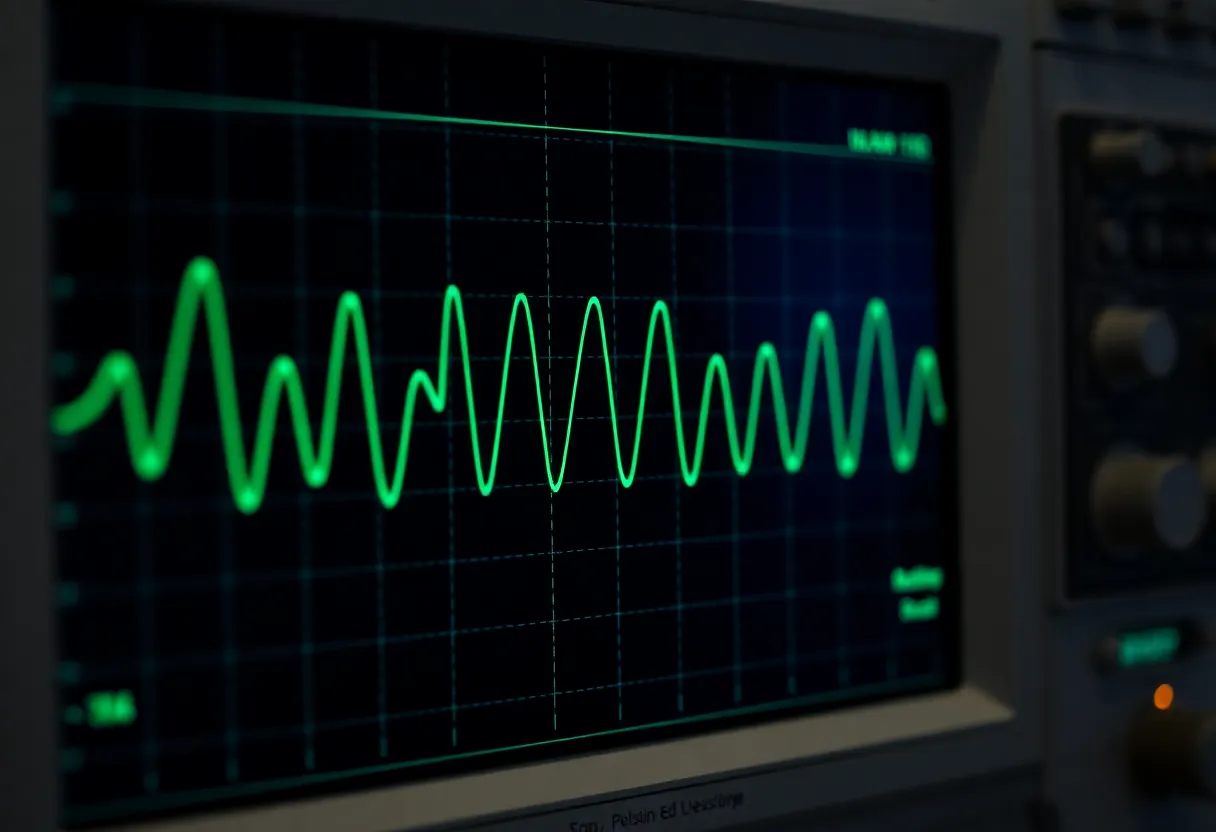
Alligator clips are not decorative. A ground lead too long turns measurements into antenna demos. Learn spring hooks, probe compensation, and why looping ground wires lies to you about ringing. Practice on a known square wave calibration output before declaring a circuit “noisy.”
10x probes divide voltage; understand attenuation before you misread amplitudes. 1x mode loads circuits more—sometimes you need that intimacy, sometimes you distort the thing you measure.
Math channels and cursors without superstition
Modern scopes compute RMS, frequency, and duty cycle. Trust but verify with manual cursors occasionally—software bugs exist, and so do mis-set thresholds.
Capacitors and stored energy
Big caps in power supplies hold charge after unplugging. Discharge safely through appropriate resistors; verify with a meter. “It should be off” is not a measurement.
Inductors in switching converters store energy too—respect flyback spikes when probing MOSFET gates. Probes come with voltage ratings; exceeding them can damage the scope front end and your afternoon.
Bench habits that scale
- Keep a fire extinguisher rated for electrical fires within reach—not in another room.
- Label supplies: current limits on bench tops, fuse ratings on homebrew boards.
- Work lit; shadows hide shorts.
- Step away when frustrated; fatigue causes slips.
First aid basics matter: know how to cool a minor burn, when to call emergency services, and where your house’s main breaker lives. A bench buddy is worth two scopes when something smokes.
Smoke signals: what to do when something pops
Power down calmly at the source—often the bench supply, not the wall if you can help it. Ventilate. Inspect charred parts with daylight, not hope. Learn why it failed before replacing components blindly; otherwise you donate another resistor to the gods.
Software debugging habits that help on the bench
Binary search still works: divide the circuit, isolate rails, compare expected versus measured at each node. Write measurements in a notebook—screenshots scatter; notebooks persist. Timestamp weird events; correlation beats vibes.
Documentation and reverse engineering etiquette
If you probe consumer gear, remember warranties and legal lines. Some devices encrypt or authenticate; others expose dangerous rails under innocent plastic. When in doubt, read service manuals or stop.
Kids, pets, and shared garages
Lock out curious hands. Store sharp probes point-down. Explain hot zones to family members who share the space. A dog’s tail can sweep a power supply onto concrete—expensive and loud.
Choosing a first scope without regret
Two or four channels beat one more than marketing admits—ground references differ across rails. Deep memory helps with sporadic glitches. USB scopes are portable; bench scopes are tactile. Buy from vendors with documentation; mystery firmware ages poorly.
Consider update rates and UI responsiveness—laggy knobs teach bad habits when you need speed. FFT is handy for rough noise signatures; do not expect spectrum analyzer purity from a budget scope.
Used gear: bargains and booby traps
Older analog scopes are educational; calibrating them takes time. Digital scopes with dead encoders or dim screens are negotiation leverage, not gifts. Verify inputs and test signal before money changes hands.
When to stop and call a pro
Rewiring house circuits, repairing microwave ovens, opening large inverters—some domains want licensed hands. Pride is cheaper than hospital bills.
Closing
A cheap oscilloscope can teach you more in an afternoon than a month of printf debugging—if you stay curious and cautious. Learn the limits of your gear and your body; upgrade skills before voltage. The bench rewards humility.
Microcontroller bring-up without magical thinking
When UART looks dead, measure TX lines before you reflash firmware for the tenth time. When SPI looks flaky, verify clock edges with the scope—rise times lie politely on datasheets. Ground your logic analyzer and scope to a common reference unless you enjoy ground loops singing harmonics.
Power integrity on breadboards
Long jumper wires add inductance; decoupling caps matter far more than TikTok suggests. If your rail droops under load, a scope shows it in milliseconds—use that feedback to place ceramics where they actually help, not where the wiring diagram looks pretty.
Audio and analog adjacent projects
Scopes help with crossover distortion, hum, and oscillation in op-amp circuits. Remember audio is slow compared to RF—your entry scope is often enough. Still, mind probe loading on high-impedance nodes; sometimes a high-impedance buffer or a dedicated audio interface teaches more than brute force probing.
Community resources worth your time
Manufacturer app notes, EEVblog rants, and well-moderated forums accelerate learning. Cross-check advice; even experts have blind spots. Local maker spaces sometimes offer mentorship—take classes before borrowing expensive equipment.
Calibration and drift
Budget scopes drift over temperature. Let gear warm up before trusting picosecond brags. If you need serious measurement assurance, compare against a known reference or send the unit to calibration periodically—overkill for hobbyists, mandatory for some workplaces.
Ergonomic reality
Scopes at eye height reduce neck strain. Chairs matter when you spend evenings chasing ghosts. Hearing protection near loud fans or transformers is underrated. Sustainable hobbies last longer than heroic all-nighters.
If you remember nothing else: measure twice, probe once, and keep one hand in your pocket when working near anything that could be live. Old advice survives because it keeps old engineers alive.
Shipping gear and travel
Flying with lithium-powered tools? Check airline rules. Protect probe tips in transit—bent grounds ruin weekends. If you loan your scope, tape a note with voltage limits and a reminder about calibration output location.
Insurance and liability (briefly)
Home insurance may care if you run a business from your garage. Disclosure beats denial if something goes wrong. This is not legal advice—just a nudge to read your policy before sparks fly.
Celebrate small wins too: the first clean square wave, the first caught glitch, the first time you explain a measurement to a friend without sounding like a wizard. Curiosity plus caution builds makers who last, and lasting makers build better software too. Stay curious, stay grounded, and keep spare fuses where you can find them in the dark.