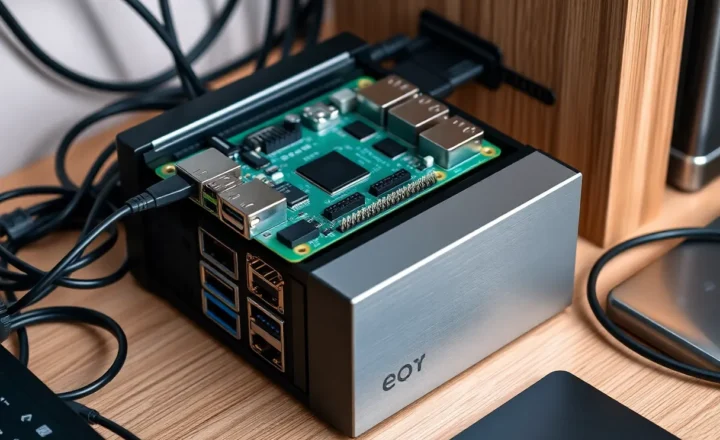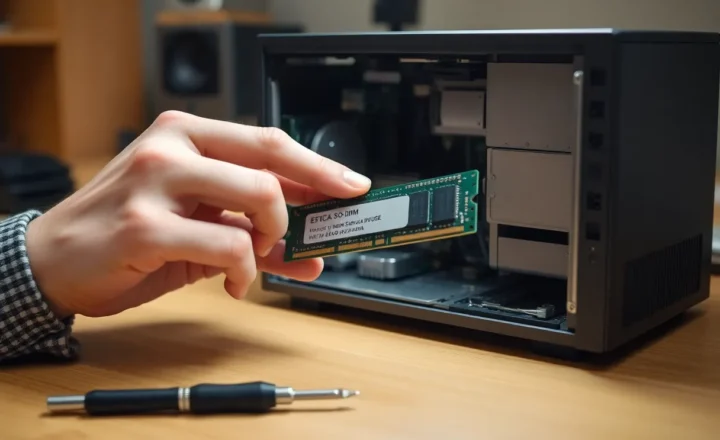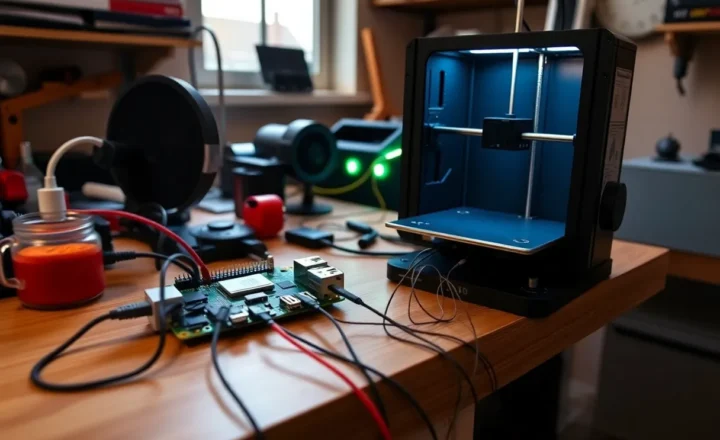
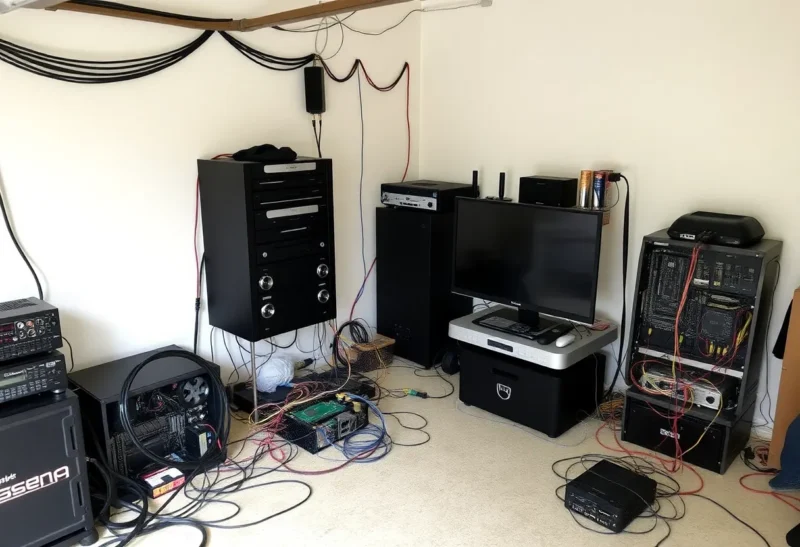
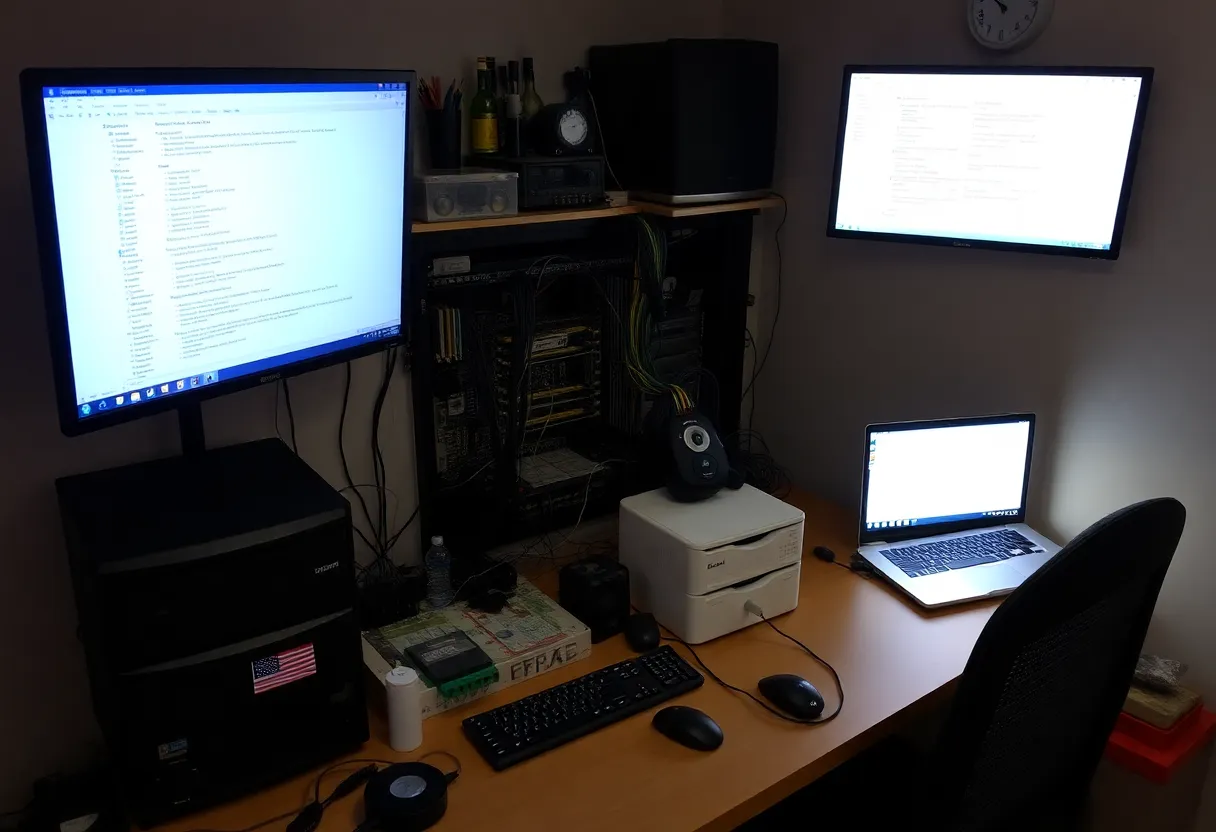
Everyone’s first homelab is a disaster. Not in a “you’re doomed” way—in a “you’re learning” way. You’ll buy the wrong thing. You’ll run cables that make no sense. You’ll break the network at 11 p.m. and have to fix it before work. You’ll discover that the tutorial you followed assumed a different OS, a different router, or a different level of patience. That’s normal. Here’s why your first homelab will be a disaster—and why that’s actually fine. The 2026 case for doing it anyway is what you learn that cloud can’t teach.
You Don’t Know What You Don’t Know
Homelab guides and Reddit builds make it look linear. Buy a NAS, add a Pi, run Docker, done. In practice, your first setup is a pile of unknowns. What’s your actual use case? Do you need 24/7 uptime or just “works when I need it”? What’s your power budget? Your noise tolerance? Your spouse’s tolerance for blinking lights in the closet? You don’t have good answers until you’ve lived with a bad setup. So the first homelab is an experiment. You’re not building the final system; you’re building the system that teaches you what the final system should be.
That means wrong choices. A server that’s too loud. A topology that doesn’t scale. Software you’ll replace in six months. It feels like waste. It’s tuition. The people with the clean, documented homelabs you admire almost certainly had a messy first version. They just don’t post pictures of it.

Failure Modes Are the Best Teachers
When something breaks at home, you own it. There’s no ticket, no escalation, no “someone else will fix it.” You have to understand why the DHCP lease expired, why the container won’t start, or why the disk is full. That pressure is where real learning happens. You read the logs. You search the forums. You try the wrong fix and then the right one. By the time it’s working again, you’ve learned more than any tutorial could teach. Your first homelab will give you a lot of those moments. That’s the point.
The disaster isn’t the goal—but the disaster is inevitable. Embracing it means not getting discouraged when the first attempt fails. It means documenting what you did wrong so the second attempt is better. It means asking for help (Discord, Reddit, the friend who’s been there) instead of assuming you’re the only one who’s ever had a rack that looked like spaghetti.
Iteration Beats Perfection
The homelabs that look perfect on the internet are usually version three or four. The first version was a laptop and a USB drive. The second was a Pi and a used NAS. The third added VLANs and then got ripped out. The fourth is what they show you. If you wait until you know enough to build version four the first time, you’ll never start. So start with version one. Let it be a disaster. Learn from it. Then build version two. That’s how homelabs actually get good.
The Bottom Line
Your first homelab will be a disaster because you’re learning in public, with your own money and your own time. The wrong hardware, the wrong software, and the wrong assumptions are part of the process. The goal isn’t to avoid the disaster—it’s to get through it, document what you learned, and build the next version better. Everyone started somewhere. Your somewhere is allowed to be messy.