Indie Games and the Algorithm: Discoverability After the Feed Stopped Being Fair

Connor Ashford
April 8, 2026

If you shipped an indie game in the early 2010s, the story might sound familiar: a modest Steam Greenlight campaign, a burst of attention from a few YouTubers, and a long tail of sales that rewarded word of mouth. If you ship today, the story often includes months of polish, a trailer that punches above its budget—and still a quiet launch unless the storefront’s algorithm decides you are worth showing. Discoverability has never been a meritocracy, but the gap between “good game” and “seen game” has widened as feeds became personalized, crowded, and optimized for engagement metrics that do not always align with quirky or slow-burn titles.
This article looks at how algorithmic distribution shapes indie survival, what developers can still control, and how players can find work that never cracked the home page carousel.
From curated lists to infinite shelves
Digital storefronts were supposed to democratize access: no shelf space, no physical manufacturing. In practice, infinite shelf space created infinite competition. Platforms responded with recommendation engines, tags, and “more like this” rails that decide who gets a second glance. Those systems are not malicious; they are trying to match millions of users to thousands of weekly releases. But their optimization targets—click-through, conversion, time on page—can favor familiar genres, recognizable thumbnails, and games that already have velocity.

For a solo developer or a tiny studio, breaking into that loop without a marketing budget can feel like shouting into a wind tunnel. The “fair” feed was always a myth—editorial picks and friend networks were gatekeepers too—but the opacity of today’s ranking signals is its own stressor. You rarely get a straight answer about why your game vanished from New and Trending after forty-eight hours.
What algorithms reward (and what they bury)
Engagement-heavy genres with strong hooks—roguelites, cozy sims with clear loops, multiplayer party games—often travel more easily through algorithmic funnels because they produce watchable clips, repeatable sessions, and user-generated content. Narrative-heavy adventures, slow-paced strategy, or experimental mechanics can be brilliant and still struggle to generate the same signals unless a creator or curator intervenes.
Thumbnail literacy matters more than many developers want to admit. A clean, readable icon in a crowded grid is not selling out; it is basic navigation design for a human scrolling fast. But the arms race for legible, high-contrast key art can also homogenize presentation, nudging distinct art styles toward a common “marketable” look.
Creators, streams, and the second algorithm
Streaming platforms and short-form video apps have their own recommendation layers. A single viral clip can lift sales overnight; absence from the feed can starve even polished games. That creates a double bind: developers must think about camera-friendly moments, pacing, and “clipability” without letting those concerns override creative goals.
Ethical creators disclose sponsorships and avoid misleading thumbnails; audiences reward authenticity. Still, the structural reality is that discoverability often depends on someone else’s editorial calendar or algorithmic mood. That is why community building—Discord servers, mailing lists, festivals—persists as slow, unglamorous infrastructure.
What developers can still control
Clear positioning helps both humans and machines. Thoughtful tags, accurate genre labels, and a demo that runs smoothly on mainstream hardware reduce friction. A press kit with high-resolution art and a fact sheet respects journalists who still cover games between algorithm shifts.
Localization is expensive but can unlock regional charts that are less saturated. Accessibility options—remappable controls, readable UI scaling—expand the audience and generate goodwill that compounds through word of mouth.
Timing matters. Launching opposite a blockbuster or during a seasonal sale avalanche can bury a small title. Calendars, platform-specific events, and festival showcases are not guarantees, but they give algorithms a chance to see spikes of legitimate interest rather than a flat line.
How players can push back against the feed
If you are on the player side, you can diversify where you look for games: curated newsletters, museum-style collections, itch.io bundles, local indie meetups, and long-form critics who still play deeply. Wishlists matter on storefronts that use them as signals; reviews from verified buyers help future readers more than hot takes.
Following developers directly—not only their publishers—helps you catch updates and behind-the-scenes work that never makes the storefront trailer. Patronage models and ethical subscriptions can stabilize teams that algorithms ignore.
Storefront quirks: Steam, consoles, and the tyranny of the front page
On PC, Steam remains the gravitational center for many indies, but “New Releases” scrolls faster than human attention. Features like Next Fest demos, seasonal sales, and themed events act as secondary algorithms layered on top of baseline discovery. A successful festival slot can spike concurrent players, which feeds back into popularity lists—another feedback loop that rewards early momentum.
Console ecosystems bring certification, patch pipelines, and sometimes parity requirements that add calendar risk. The upside is curated storefront tiles and platform marketing funds for selected partners; the downside is that a delayed certification can miss a planned launch window, scattering press coverage and confusing fans who saw a trailer months ago.
Mobile stores are their own universe: ad-driven user acquisition, subscription fatigue, and chart dynamics that favor soft-launch territories. Cross-platform developers often find that skills do not transfer cleanly—what works on Steam may flop on phones without a radically different monetization and session design.
Pricing, refunds, and the signals buyers send
Generous refund policies protect consumers but change incentives for short, narrative games that players can finish within policy windows. Developers respond with achievements, meaningful side content, or pacing that encourages players to stay—sometimes creatively rich, sometimes awkwardly game-shaped around policy. The underlying tension is real: sustainable pricing for small teams versus player expectations trained by deep discounts and bundles.
Regional pricing, when done thoughtfully, expands access and can lift global review counts. When mishandled—currency swings not updated for years—it generates resentment and review bombs that hurt algorithmic standing far beyond the affected regions.
Publishers, porting houses, and when to share revenue
Not every indie needs a publisher, but partners with marketing muscle, localization networks, and porting expertise can buy runway. The trade is revenue share and sometimes creative input. Due diligence matters: contracts that lock IP, vague marketing commitments, or unclear ownership of store pages have burned teams who were already fragile from crunch.
For studios that self-publish, budgeting for trailer production, PR retainers, and convention travel is as important as budgeting art passes. The algorithm might never notice your bugfix sprint, but it will notice a coordinated week of legitimate traffic if you can orchestrate it.
Festivals, awards, and the human loop
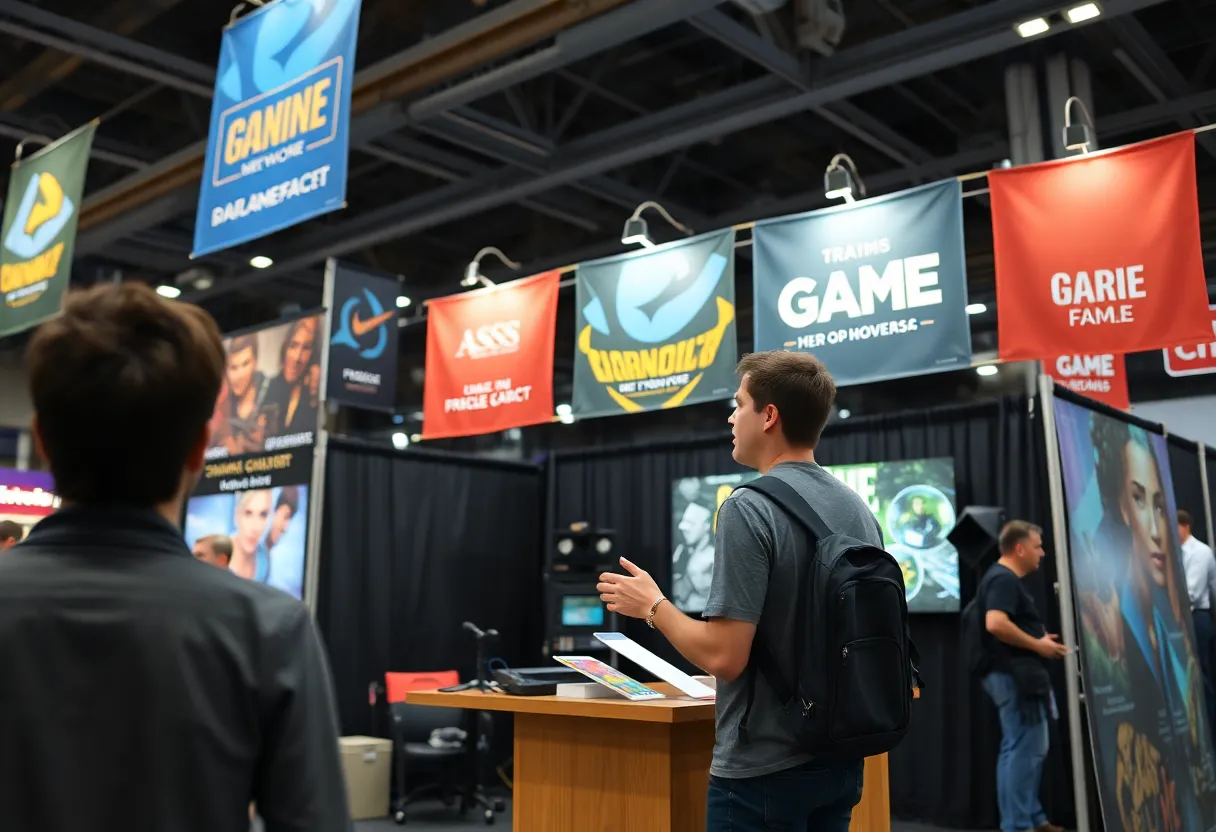
Events like IndieCade, IGF, and regional showcases remain vital human filters. They surface games that might not trend on TikTok but reward experimentation. Awards are imperfect, but they create narrative arcs that algorithms can pick up secondhand—news coverage, panel invites, and bundle opportunities.
Early access, live service, and the pressure to stay visible
Some teams choose early access or episodic releases to stay in the “recently updated” lanes and keep community chat active. That path can fund ongoing development, but it also binds teams to roadmaps, public expectations, and patch notes as performance art. The algorithm may reward constant updates, yet human sustainability requires boundaries—clear communication about scope, realistic timelines, and time off that does not get punished as “dead game” chatter.
Live-service ambitions are even heavier: servers, moderation, seasonal content, and anti-cheat responsibilities scale differently than a polished single-player campaign. Studios that chase persistent engagement because the feed favors it sometimes inherit operational burdens that dwarf their original design goals.
The mental health cost of invisible metrics
Developers internalize numbers: wishlists, follower counts, review ratios. When metrics dip, it is easy to confuse platform feedback with personal worth. Communities that normalize talking about burnout, and peers who share realistic postmortems, help counter the highlight reel effect of social media.
Players can help by being specific in praise, avoiding review-bombing over platform issues outside a dev’s control, and remembering that small teams cannot patch the entire economy of attention.
Looking ahead: regulation, transparency, and tools
Some jurisdictions are scrutinizing dark patterns and manipulative storefront design. Greater transparency into how categories rank could help small studios plan launches without guessing. Open platforms and tools that let developers sell direct—minus a fair payment cut—offer leverage when discovery feels rigged.
None of that arrives overnight. Until then, the honest summary is uncomfortable: algorithms are the weather. You can build a better boat, study the forecasts, and find harbors—communities, festivals, direct sales—that are less exposed to the storm.
Bottom line
Indie games are not failing for lack of talent; they are competing for attention in systems tuned for scale. Fairness was never guaranteed, but the feed’s opacity makes planning harder. Developers who blend craft with clear positioning—and players who look beyond the default carousel—keep the ecosystem wider than any single algorithm would choose on its own.
Until storefronts publish clearer discovery rules—and until audiences diversify where they shop—success will keep looking like a lightning strike. The work is still worth doing; just measure your expectations in human years, not trending hours, and celebrate small wins that never touch a chart.