After years of remote work and virtual events, it’s easy to wonder whether tech conferences are still worth the cost and hassle. Talks are online. Networking happens in Slack and Twitter. Why fly somewhere and sit in a room? The answer is that the best parts of a conference—the hallway conversations, the chance encounters, and the shared context of being in the same place—still don’t translate to video calls. For learning, hiring, and building relationships, the trip is often still worth it.
Talks Are the Tip of the Iceberg
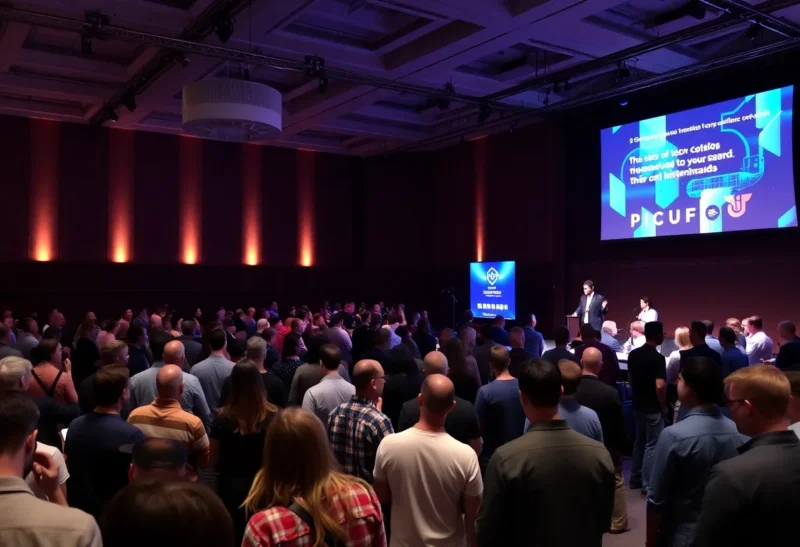
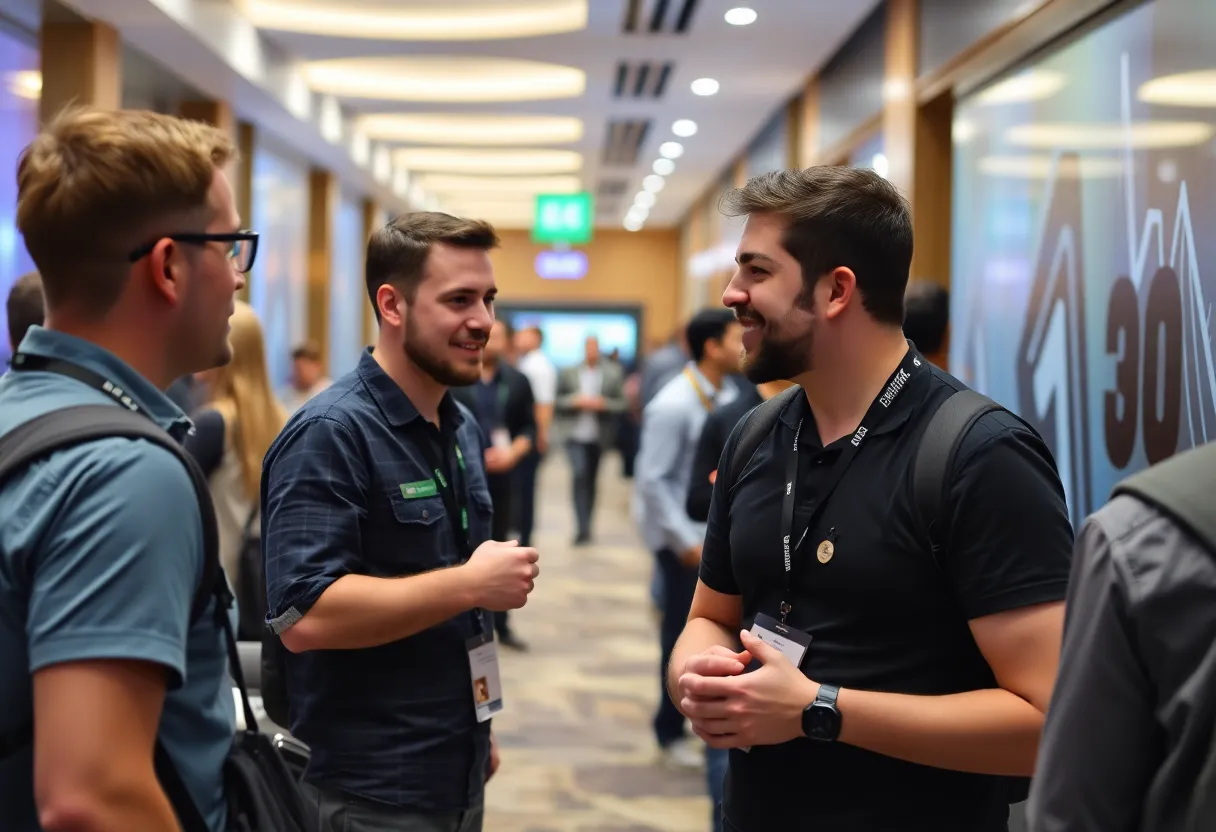
Keynotes and sessions are the visible part of a conference. You can watch many of them later on YouTube or in recorded form. But the value of being there in person isn’t mainly the talks—it’s the conversations that happen around them. You bump into someone who’s solved the problem you’re stuck on. You meet a potential collaborator or hire. You hear what’s actually working (and what isn’t) from people who are in the trenches. Those interactions are unstructured and hard to replicate online. A scheduled Zoom call has an agenda; a hallway chat can go anywhere. Conferences create density: a lot of people who care about similar things in the same place for a few days. That density is what makes the trip worthwhile.
Hiring and Being Hired
If you’re hiring, conferences are one of the few places where you can meet a lot of technical people in a short time. Candidates who show up are motivated and often open to conversation. You get a sense of how they think and communicate that’s hard to get from a resume or a single interview. If you’re job-seeking, the same applies in reverse: you meet teams and companies in a low-pressure setting. Not every conversation leads to an offer, but the optionality is valuable. In a remote-first world, the chance to put faces to names and build a bit of rapport before a formal process is rare. Conferences create that chance.
Context and Serendipity
Online, you choose who you talk to and when. At a conference, you’re in a shared context. Everyone just heard the same talk or saw the same demo. That shared context makes conversations deeper. You can reference the session, the speaker, or the theme of the event without explaining from scratch. Serendipity also plays a bigger role: you sit next to someone at lunch, you get into a conversation at the coffee line. Those encounters don’t happen when you’re at home with a calendar full of back-to-back calls. Conferences are designed to increase the surface area for those moments. If you go with a loose agenda—learn a few things, meet a few people—you often leave with more than you planned for.

Cost and ROI
Conferences aren’t free. There’s the ticket, travel, accommodation, and the opportunity cost of being away from work or family. So it’s worth being selective. A local one-day meetup might give you 80% of the networking benefit at a fraction of the cost. A big international conference might be worth it if your goal is to meet a specific community or if your company is sending you to recruit or represent. For indie developers and solo founders, smaller regional events or topic-focused conferences often offer better conversation density than the giant trade shows. Think about what you want to get out of it—ideas, hires, partnerships, or simply reconnecting with the tribe—and choose events that match. The trip is worth it when the ROI is clear; it’s a luxury when it’s not.
When It’s Worth the Trip
Not every conference is worth every trip. Choose events that attract the kind of people you want to meet—same stack, same industry, or same stage (e.g. startup vs enterprise). Consider size: huge events can feel overwhelming; smaller ones often have better conversation density. And be honest about your goals: if you’re going mainly to watch talks, you might get most of the value from the recordings. If you’re going to meet people, hire, or be hired, or to reconnect with a community, the in-person experience is hard to replace. Budget for one or two a year that fit your goals, and treat the trip as an investment in your network and your context—not just in the content on stage.
The Bottom Line
Tech conferences are still worth the trip when the value is in the people and the serendipity, not just the talks. The hallway conversations, the chance to hire or be hired in a human context, and the shared experience of being in the same place still don’t translate fully to remote. Pick events that match your goals, show up with an open mind, and use the density to your advantage. The best ROI often comes from the conversations you didn’t schedule.