Why Your Next Smartwatch Should Focus on Battery, Not Features

Grant Webb
March 15, 2026
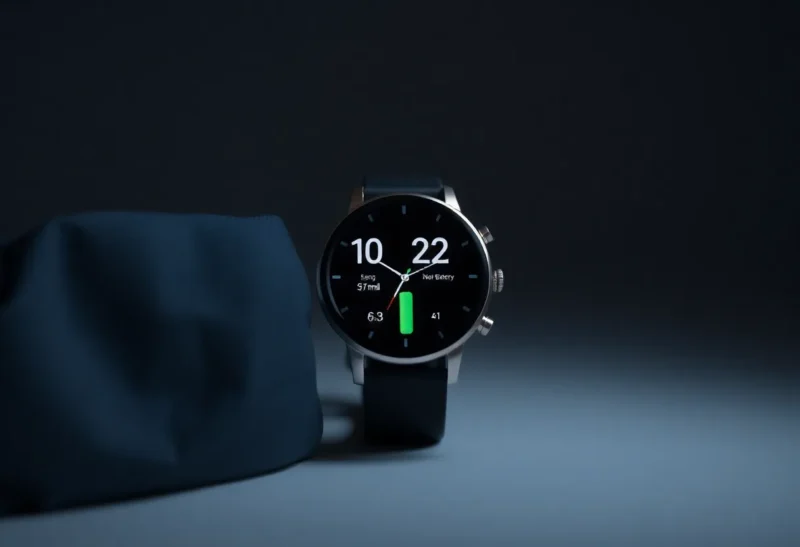
Smartwatch makers keep packing in more features: more sensors, more apps, more always-on data. The pitch is that more capability means a better watch. But for most people, the feature that matters most is the one that gets the least marketing love: battery life. When your watch dies before the day is over, or you have to charge it every night and hope you didn’t forget, the rest of the features stop mattering. Your next smartwatch should prioritize battery and reliability over the longest spec sheet.
The Feature Bloat Trap
Modern smartwatches can track heart rate, SpO2, sleep stages, stress, skin temperature, and a dozen workout types. They can run apps, stream music, take calls, and display notifications. That’s impressive—and for some users, genuinely useful. But every feature consumes power. Always-on displays, continuous heart-rate monitoring, and background sync with your phone add up. So do third-party apps that weren’t optimized for a wrist-sized device. The result is that many flagship watches barely make it through a full day with everything turned on. You’re left choosing between turning off the features you wanted or living with charging anxiety.
Choosing a watch that prioritizes battery doesn’t mean giving up on capability. It means choosing a device that can deliver the core experience—time, notifications, basic health metrics, maybe a workout or two—without forcing you to charge at lunch or skip sleep tracking because you forgot to plug in. Watches that last multiple days on a charge exist. They often use more efficient processors, simpler software, or slightly smaller screens. What they sacrifice in headline features they gain in something more valuable: not having to think about the battery at all.
What “Enough” Features Actually Looks Like
For most people, the must-haves are: time, date, and weather; notifications (call, message, calendar); basic activity and heart rate; and maybe sleep tracking if they care about it. Everything else is nice-to-have. A watch that does those things well and lasts three to five days is more useful than one that does twenty things but dies by evening. The former stays on your wrist and becomes part of your routine. The latter becomes a device you’re constantly managing—charging, turning features off, or wondering if it’ll make it through your meeting.
Battery-first design also tends to improve longevity. A watch that isn’t constantly maxing out its SoC and display runs cooler and may age better. Software updates that add features often hurt battery life; a watch built around efficiency has more headroom. And when the battery eventually degrades after a few years, a device that started with multi-day life will still get you through a day. One that started at “all day” might not.
Charging Rituals vs. Set and Forget
The best battery is the one you don’t think about. If your watch lasts four or five days, you can charge it when it’s convenient—maybe when you shower or once on the weekend. You’re not building your day around a charging routine. You’re not skipping sleep tracking because you need to charge overnight. You’re not stuck with a dead watch because you forgot one night. That mental load might seem small, but it adds up. A watch that reliably lasts multiplies the chance you’ll actually wear it and use it. A watch that doesn’t becomes another gadget you have to babysit.
Why Manufacturers Push Features Over Battery
It’s no accident that spec sheets emphasize sensors and apps over runtime. Features are easy to list and compare; battery life is messy. Real-world usage varies wildly, and “up to X days” depends on settings most people never touch. So marketing leans on what’s measurable: number of workout modes, health metrics, app ecosystems. That doesn’t mean you have to play along. When you’re comparing watches, invert the priority: start with “how long does it last in real-world tests?” and “how fast does it charge?” Then see whether the feature set is enough. Often you’ll find that a watch with fewer headline features but better battery is the one you’ll actually wear every day.
Who Should Prioritize Battery (Hint: Almost Everyone)
Unless you’re a serious athlete who needs continuous GPS and advanced metrics for hours, or a power user who genuinely uses a dozen apps on the wrist, a battery-focused watch will serve you better. That includes people who want sleep tracking (you need the watch to last through the night and into the next day), travelers who don’t want to pack a charger for a short trip, and anyone who’s ever been annoyed by a dead watch. The market is full of options that last three to seven days with a solid feature set. They might not have the flashiest spec sheet, but they have the spec that matters most: enough battery to stay out of your way.
The Bottom Line
Your next smartwatch should focus on battery, not features. Choose a device that delivers the core experience—time, notifications, basic health, maybe workouts—and lasts multiple days. Skip the ones that pack in every possible feature but can’t get you through a full day without a charge. The best watch is the one you wear without thinking about it. That starts with a battery that doesn’t make you think.