DIY Solar for Home Office: What Actually Works in 2026

Evan Pierce
March 15, 2026
Powering a home office with DIY solar sounds appealing: cut the grid for your desk, run a few panels and a battery, and work through an outage or just trim the bill. In practice, what actually works in 2026 depends on how much you need, where you are, and how much you’re willing to spend. Here’s a practical look at what’s realistic.
What “DIY Solar for Home Office” Usually Means
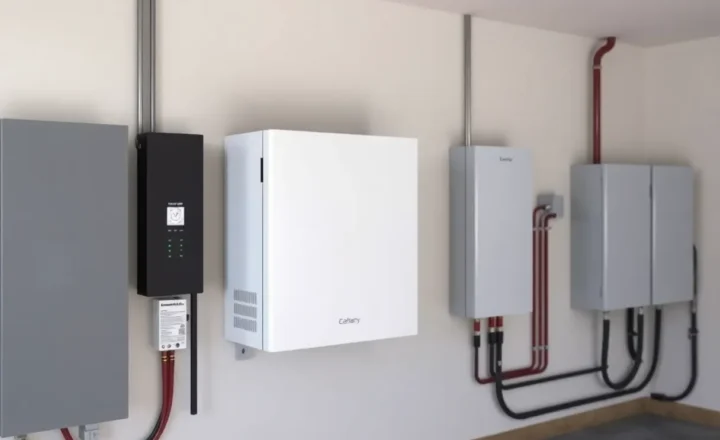
For most people, it means one of three things: small portable panels that charge a laptop or power a router during the day; a balcony or window setup with a few hundred watts and a battery; or a proper rooftop or ground array tied to a battery and optionally the grid. The first is the easiest and cheapest; the third is a serious project. For a typical home office—laptop, monitor, maybe a router and a light—you’re often in the middle: enough to run the essentials for a few hours or to offset some grid use.
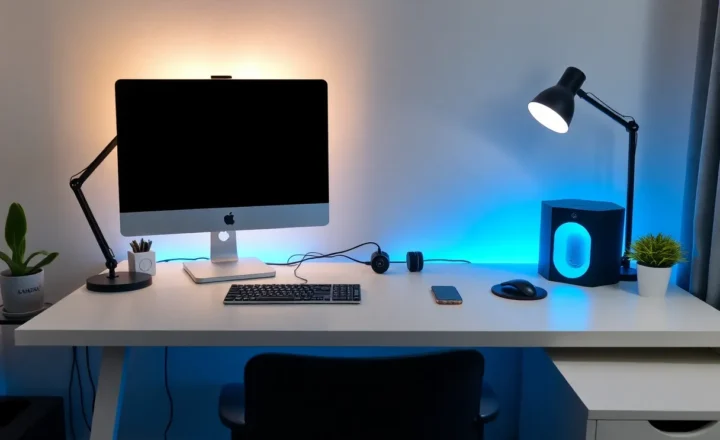
The key is to size for your real load. A laptop and monitor might draw 50–80 W; add a router, a lamp, and a small NAS and you could be at 100–150 W sustained. A 100 W panel in good sun might give you 400–600 Wh in a day depending on location and angle; a 200–300 W setup can cover a full workday of light use if you have decent sun and a battery to smooth out clouds.
Portable and Small Setups
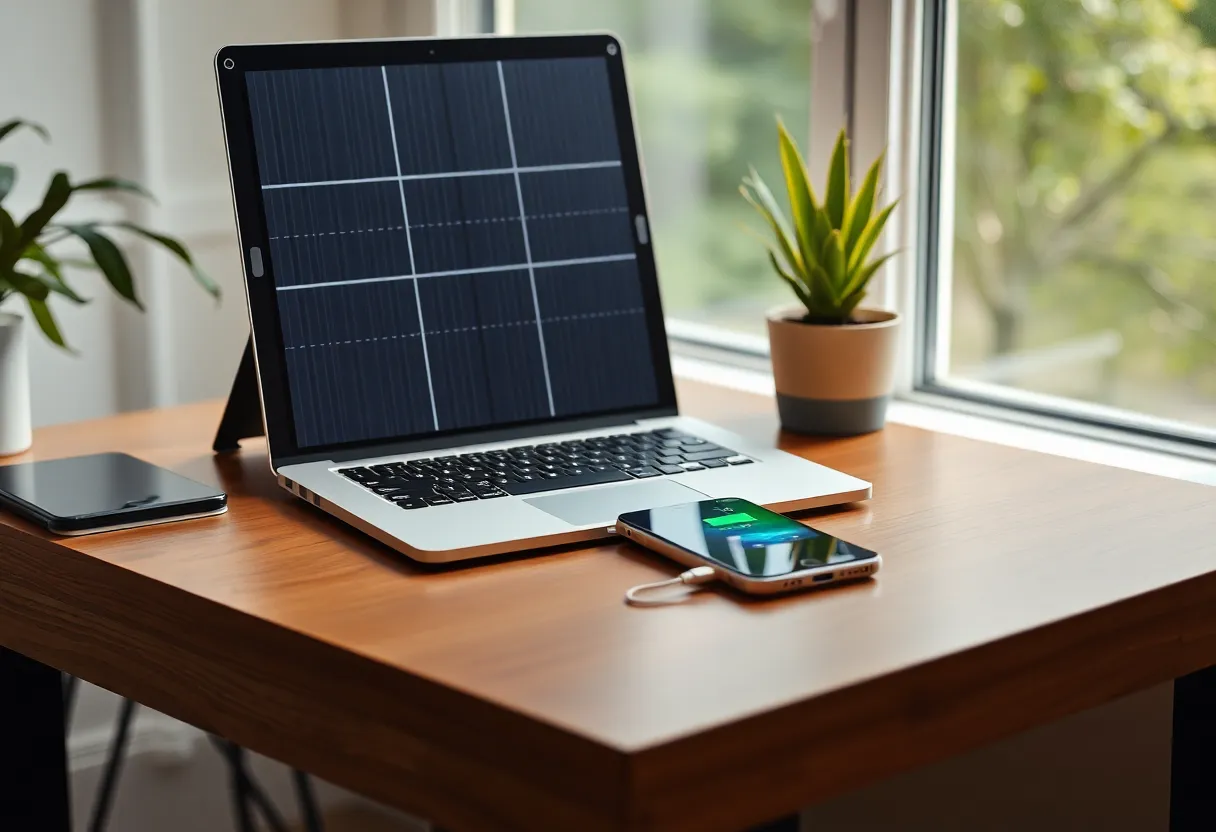
Portable foldable panels (50–100 W) plus a power station or battery pack are the entry point. You can charge a laptop, run a small monitor, and keep a router going during the day. At night or on cloudy days you’re back on the grid unless you’ve sized a battery large enough. This works for “run my desk when the sun’s out” or “backup for short outages,” not for full off-grid. Quality panels and a decent power station (with pure sine wave if you’re running sensitive electronics) are worth the extra cost; cheap kits often disappoint in real-world output.
Indoor or window-mounted “solar” options exist but are mostly gimmicks—indoor light is too weak to meaningfully power a home office. Real DIY solar means panels that see the sky. A balcony or a small ground array is the next step up from portable.
Balcony and Small Fixed Arrays
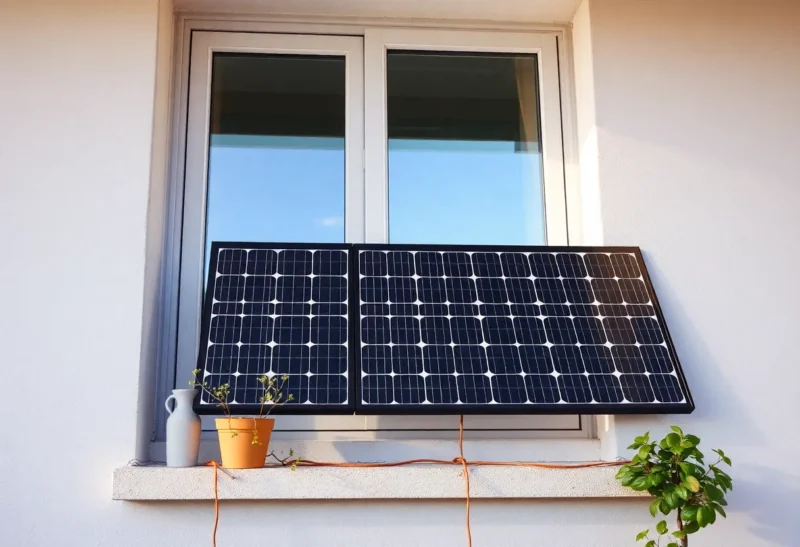
In 2026, balcony-sized kits (200–400 W) are common. You mount panels on a railing or frame, run DC to a charge controller and battery, and use an inverter for AC gear or feed DC directly to compatible devices. This can cover a good chunk of a home office’s daytime use in a sunny climate; in northern latitudes or shaded spots, output drops. You need to think about weight, wind, and whether your building allows it. Permits and HOA rules vary—check before buying.
Battery choice matters. Lithium (LiFePO4) is the standard for small setups: safer and longer-lasting than lead-acid for this use. Size the battery so you can store at least a few hours of your typical load; that way you can work through a cloudy afternoon or into the evening.
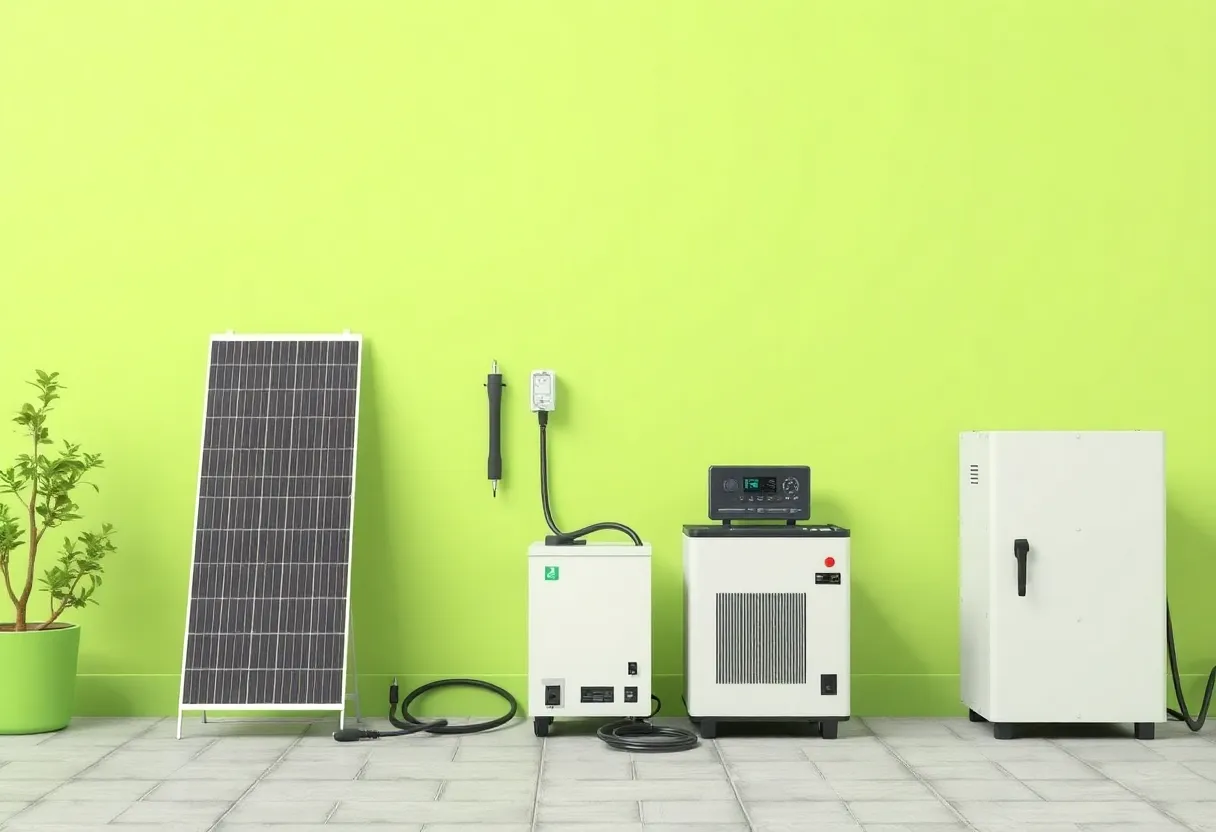
What Actually Works: Realistic Expectations
DIY solar for a home office works if you: (1) size for your real watt-hours, (2) put panels where they get sun, (3) use a proper charge controller and battery, and (4) don’t expect to run a full gaming PC or AC off a small setup. For a laptop-based desk, a 100–300 W array and a 500–1000 Wh battery can give you meaningful backup and some grid offset. Going bigger means more cost, more complexity, and possibly permits and electrician involvement.
Grid-tie (feeding surplus back to the utility) usually requires permits and an electrician; true off-grid for a whole house is a different scale. For “power my desk” and “ride out an outage,” DIY solar in 2026 is viable and the gear is better and more available than ever. Just match the system to the load and the sun you actually have. If you’re wiring anything beyond a plug-and-play power station, follow local codes and get help for anything that ties into your home’s electrical system—safety and insurance matter as much as wattage.
The Bottom Line
DIY solar for a home office can work: start with portable panels and a power station for simplicity, or step up to a balcony-sized array and battery for more capacity. Size for your real load, put panels in the sun, and set realistic expectations. In 2026, the tech is there—the limit is usually sun, space, and budget, not the gear.