Why Sleep Optimization Tech Is Still Guessing at Your Best Hours

Maya Chen
March 15, 2026
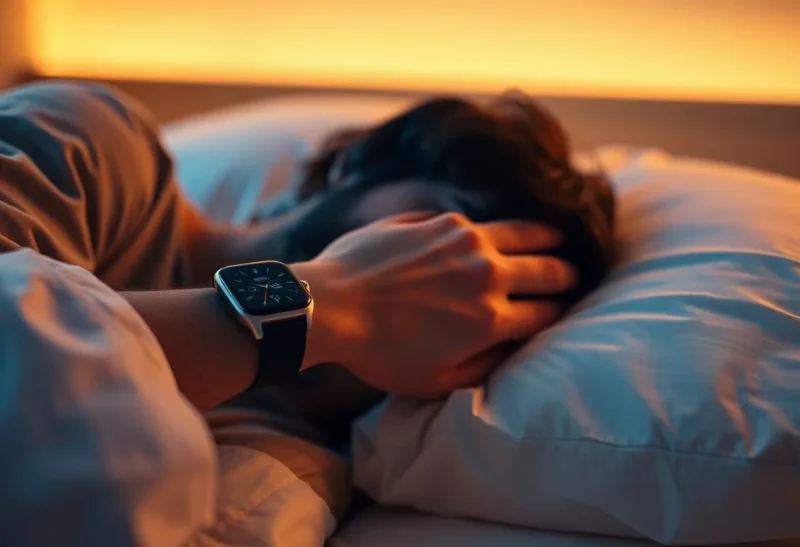
You wake up at 6:47 a.m. Your smartwatch says you slept 6 hours 23 minutes, with 1 hour 12 minutes of deep sleep and a “sleep score” of 72. The app suggests you go to bed 15 minutes earlier tonight and avoid caffeine after 2 p.m. It sounds precise. It feels scientific. And for most of us, it’s mostly guesswork dressed up as data.
Sleep optimization technology—the wearables, the apps, the “smart” alarms—has exploded in the last decade. We’re told we can hack our sleep, tune our circadian rhythm, and wake up at the perfect moment in our cycle. The promise is seductive: better rest, more energy, sharper thinking. The reality is messier. The hardware is getting better, but the science of turning raw signals into actionable insight is still catching up. Here’s what’s actually going on under the hood, and why your device is still guessing at your best hours.
The Data You’re Actually Getting
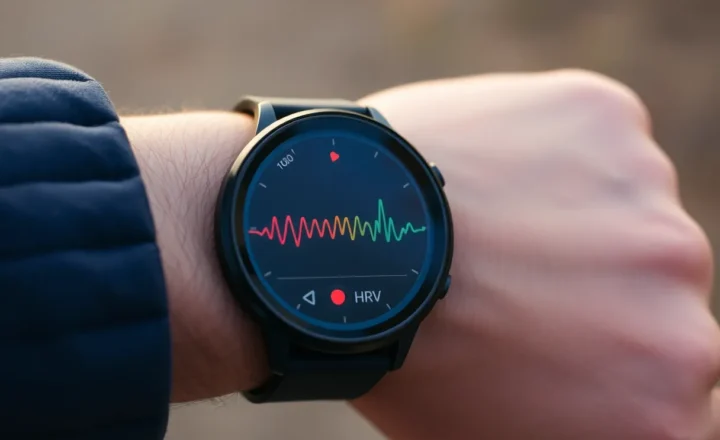
Most consumer sleep trackers don’t measure sleep directly. They infer it. Wrist-based devices use a combination of accelerometry (movement) and optical sensors that shine light into your skin and measure blood volume changes—photoplethysmography, or PPG. From that, algorithms estimate heart rate and heart rate variability. Combine movement and cardiovascular signals with time of day, and you get “sleep stages”: awake, light, deep, and REM.
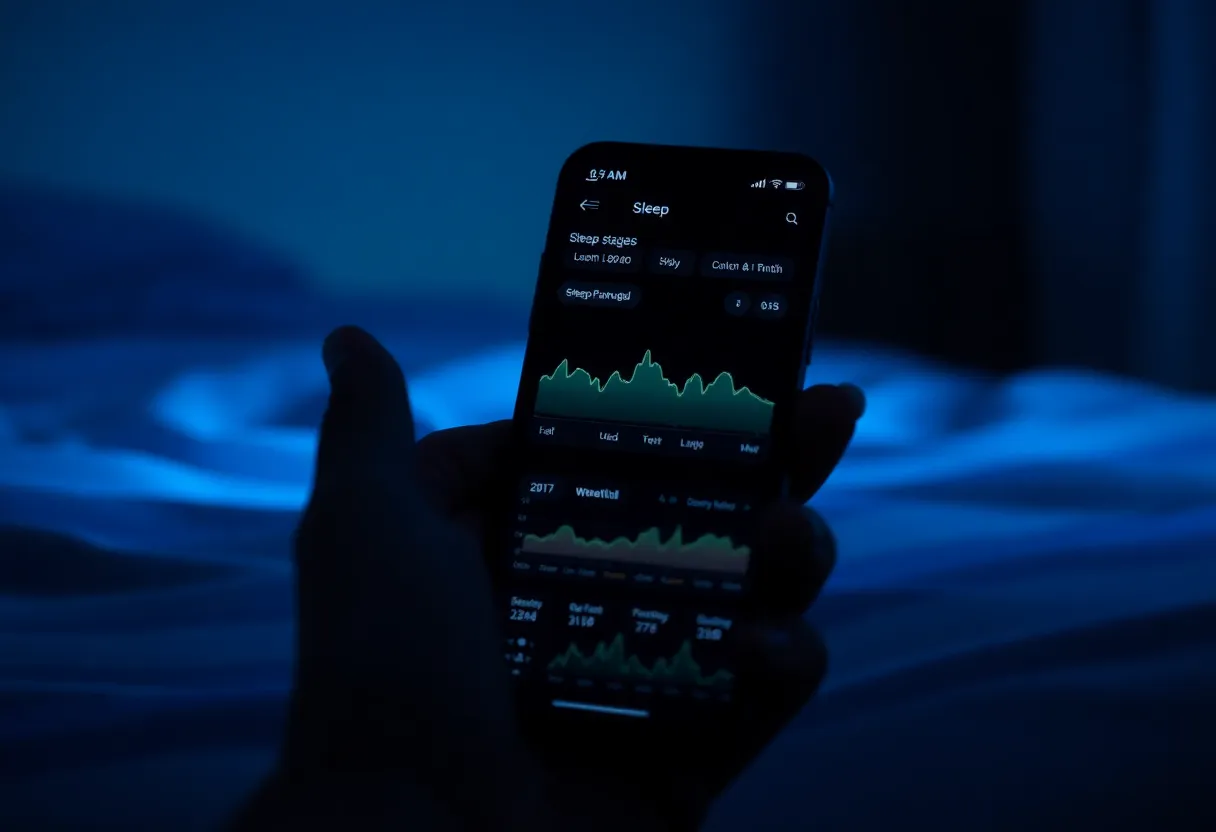
That inference is the first bottleneck. PPG on the wrist is noisier than a chest strap or a medical-grade EEG. Movement during sleep can confuse the optical sensor. Sleeping on your arm can block the signal. The algorithms are trained on people who slept in labs with gold-standard polysomnography, but your night on your mattress with your arm under the pillow is a different beast. So the “deep sleep” and “REM” numbers you see are best understood as rough proxies—trends over time can be meaningful, but any single night’s breakdown should be taken with a large grain of salt.
Why “Optimal Wake Windows” Are Mostly Marketing
One of the most appealing features of sleep tech is the smart alarm: wake me during light sleep so I feel less groggy. The idea comes from real sleep science. We do cycle through stages, and waking from deep or slow-wave sleep can feel worse than waking from light sleep. The problem is that consumer devices don’t know your stage with the precision they imply. Stage detection is delayed and smoothed; by the time the algorithm decides you’re in light sleep, you may have already moved into another stage. So that “optimal” 30-minute window might be no more accurate than setting a fixed time and hoping for the best.
Some people swear by these alarms. Placebo and routine likely explain a lot of that. If you believe you’re waking at the “right” moment, you may feel better—and going to bed and waking at consistent times is one of the few sleep interventions with strong evidence. The tech can support that habit. Just don’t assume the device has a direct line into your brain.
What Sleep Tech Is Actually Good For
Where sleep optimization tech does add value is less glamorous but real: consistency and awareness. Seeing a timeline of when you went to bed and when you woke up can make vague feelings (“I’ve been tired lately”) concrete. Noticing that your resting heart rate or HRV drifts when you’re stressed or sick can be useful. For people with irregular schedules, a tracker can highlight how much variation they’re actually getting and nudge them toward more stable bedtimes.
Trends matter more than single nights. If your device says your deep sleep has been trending down for two weeks, that might be worth paying attention to—not because the absolute number is correct, but because the direction of change could reflect real shifts in sleep quality, stress, or health. That’s where the data can inform behavior: earlier wind-down, less alcohol, better room temperature, or a conversation with a doctor if something seems off.
The Limits of Self-Optimization
Sleep is not a productivity hack. The culture around “optimizing” sleep can make it feel like one more thing to perform—hit your deep-sleep target, max out your score, wake in the perfect window. For some people, that framing is motivating. For others, it adds anxiety. Checking your score first thing in the morning can turn a decent night into a source of stress if the number doesn’t match your expectations.
The other hard limit is that sleep quality is influenced by things no wrist sensor can fix: stress, mental health, chronic pain, medication, sleep disorders. A tracker can suggest you go to bed earlier; it can’t address insomnia or sleep apnea. If you’re consistently exhausted despite “good” numbers on the app, the next step is usually a human—a doctor or a sleep specialist—not a firmware update.
What to Do With Your Data
If you use sleep tech, use it as a rough mirror, not a oracle. Pay attention to trends over weeks. Use consistent bedtimes and wake times as your main lever; that’s the intervention with the strongest evidence. Treat stage breakdowns and scores as suggestive, not diagnostic. And if the numbers start to stress you out more than they help, consider stepping back. The goal is better rest and clearer thinking—not a higher score on a dashboard.
Sleep optimization technology is still guessing at your best hours. It’s getting better, and for many people it’s still useful. Just know what you’re looking at: informed estimates, not truth. Your body is the final judge. If you feel rested, you’re probably doing okay—with or without a number to prove it.