What the Latest Chiplet Research Means for Desktop PC Prices

Marcus Webb
March 15, 2026
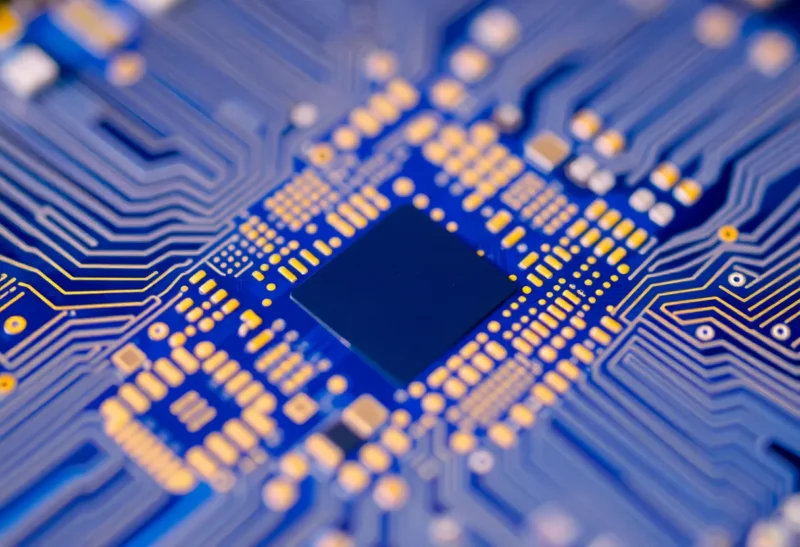
Chiplet-based design—building processors from smaller, modular dies instead of one giant monolithic chip—has moved from research to mainstream. AMD’s Ryzen and EPYC lines use chiplets; Intel has followed. Research keeps pushing the approach further: better interconnects, mixed process nodes, and more flexible stacking. What does that mean for desktop PC prices? In short: more choice, better binning, and the chance for lower costs at the mid and high end—but not overnight.
Why Chiplets Change the Economics
Monolithic dies are expensive: a single large die has more defects per wafer, so yield drops as area grows. Chiplets let you build a big CPU from smaller dies, each with better yield. You can mix and match: compute chiplets on a leading node, I/O or cache on an older, cheaper node. That flexibility can lower cost per good part and let vendors offer more SKUs from the same building blocks. So in theory, chiplet research and adoption should eventually mean more performance per dollar and more segments (budget to enthusiast) served efficiently.
What “Latest Research” Adds
Recent chiplet research focuses on faster die-to-die links, 3D stacking, and heterogeneous integration. Better interconnects reduce the performance penalty of splitting the design; stacking can pack more cache or compute in the same footprint. For desktop PCs, that could mean higher core counts and better performance without proportionally higher prices—or the same performance at lower price points as manufacturing matures. The catch: research takes years to reach volume. What you read about today may show up in products in two to five years.
What It Means for You
Today, chiplet-based desktop CPUs (e.g. AMD Ryzen) already offer strong value in many segments. As the tech and processes improve, we should see more of that: better binning (fewer wasted dies), more product tiers, and potentially lower prices for a given performance level. So what the latest chiplet research means for desktop PC prices is directionally positive—more efficient manufacturing and design can flow through to consumers—but the timeline is gradual, and other factors (supply, competition, node costs) will still drive actual retail prices.