Why Your Next Mechanical Keyboard Should Be Hot-Swappable

Owen Finch
March 7, 2026

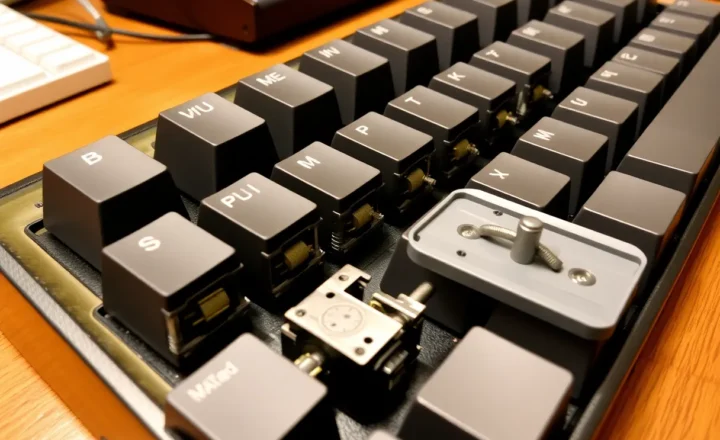
When you’re buying your next mechanical keyboard, the single most important spec might be one that doesn’t show up in the flashy marketing: hot-swap. A hot-swap board lets you pull out switches and replace them without soldering. That might sound like a niche feature for enthusiasts, but it should matter to anyone who isn’t 100% sure what switch they want—or who might want to change their mind later. Here’s why your next board should have it.
You Probably Don’t Know What You Want Yet
Linear, tactile, or clicky? Heavy or light spring? The only way to know what you’ll enjoy for hundreds of hours of typing is to try it. Reviews and sound tests give you a rough idea, but feel is personal. If your next keyboard is soldered, you’re locking in that choice. If it’s hot-swap, you can buy a small pack of different switches later and try them in a few keys. No second keyboard purchase, no soldering. For most people, that flexibility is worth a small premium—and in 2026, the premium is often negligible because hot-swap is common even on mid-range boards.
Avoiding Buyer’s Remorse
Nothing is worse than buying an expensive keyboard, loving the build and the layout, and realising after a month that you hate the switch. With a soldered board, you’re stuck: desolder everything (tedious and risky) or sell the board and buy another. With hot-swap, you spend a few dollars on a set of different switches and an hour swapping them. The board you liked stays; only the feel changes. That’s why “your next” keyboard should be hot-swap: you’re buying optionality. You might never use it, but if you do, it saves you from a costly do-over.
Repairs and Longevity
Switches can fail. A key starts chattering, double-registering, or not registering at all. On a soldered board, fixing it means desoldering that switch and putting in a new one—doable but a hassle. On a hot-swap board, you pull the bad switch and plug in a replacement. Same for spills: you can remove the affected switches, clean the board, and put them back (or replace them). Your next keyboard will last longer if you can easily fix or replace the parts that wear out.
When Hot-Swap Might Not Matter
If you’ve already tried a dozen switches and you know exactly what you want, and you don’t plan to tinker, a soldered board can be slightly lighter and sometimes cheaper. Some high-end custom builds are soldered by design. For everyone else—first mechanical keyboard, second board and still exploring, or anyone who values the option to change—hot-swap is the safer choice. When in doubt, get the hot-swap version. You can always leave the switches alone; you can’t add hot-swap after the fact.
The Bottom Line
Your next mechanical keyboard should be hot-swap because it keeps your options open, reduces the risk of buyer’s remorse, and makes repairs and experimentation easy. The feature is widely available and often doesn’t cost much extra. Unless you’re certain you’ll never want to change switches or fix one, it’s the smarter default.