What Synthetic Biology Means for Medicine in the Next Decade

Eliot Vance
March 7, 2026
Synthetic biology—designing and building biological systems that don’t exist in nature, or rewriting existing ones—has moved from academic labs into drug development, diagnostics, and agriculture. In medicine, it’s already producing new therapies, better tools for understanding disease, and a path toward more personalized treatments. Here’s what’s real today and what the next decade is likely to bring.
What Synthetic Biology Is (In Practice)
At its core, synthetic biology treats biology as something you can engineer. Instead of only discovering how cells work, researchers design genetic circuits, reprogram cells to produce drugs or sense disease, and build organisms that perform specific tasks. That might mean bacteria that make insulin, yeast that produce biofuels, or immune cells edited to attack cancer. The tools—gene editing (including CRISPR), DNA synthesis, and computational design—have gotten cheaper and more precise, so what was once lab-scale is increasingly industrial.
Gene and Cell Therapies Already Here
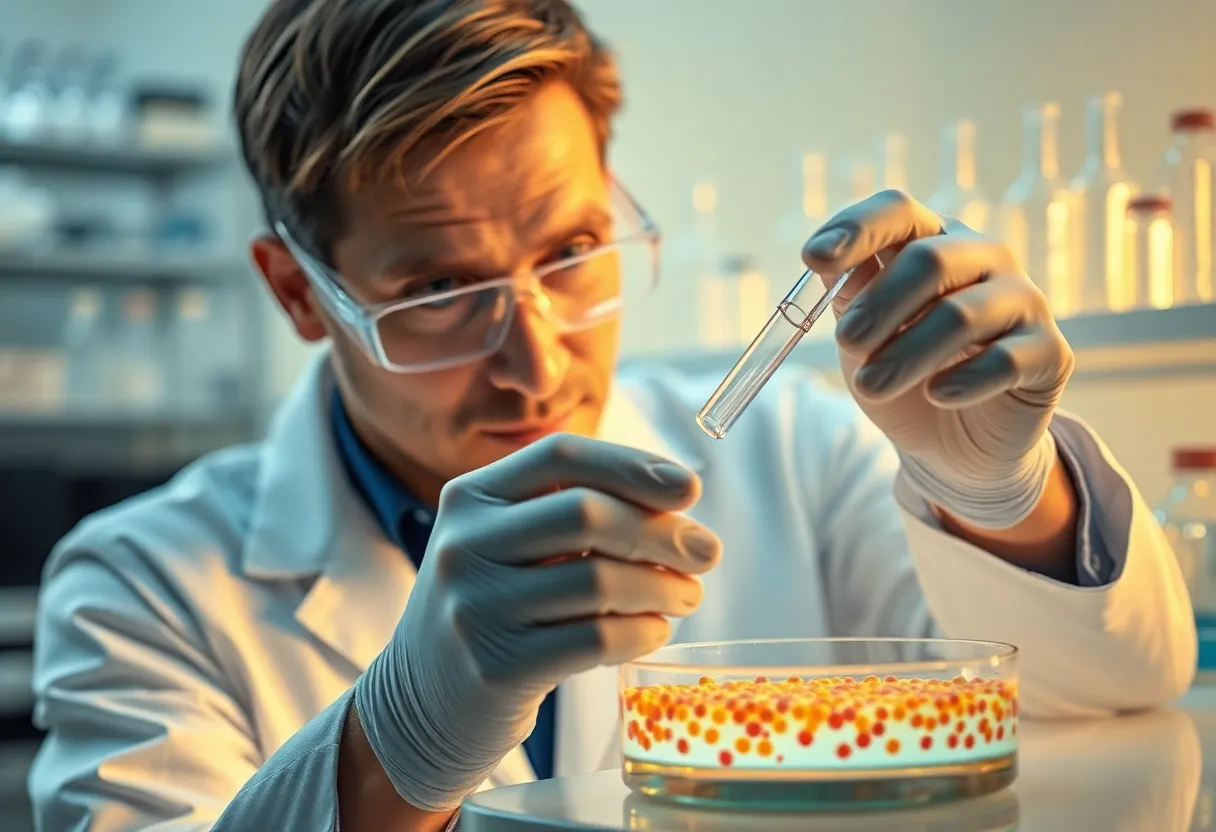
Medicine is already seeing the impact. CAR-T therapies—where a patient’s immune cells are taken out, genetically modified to target cancer, and reinfused—are approved for certain blood cancers. Several gene therapies for inherited disorders (e.g. some forms of blindness or spinal muscular atrophy) are on the market. These are early examples of “living medicines”: cells or viruses designed or edited to treat disease. In the next decade, expect more of these for more conditions, with better delivery (targeting the right tissues), lower cost, and improved safety profiles as the technology matures.
Diagnostics and Sensing
Synthetic biology is also improving how we detect disease. Engineered molecules and cells can be designed to sense specific biomarkers—proteins, DNA, or other signals—and report back. That could mean cheaper, faster tests for infections or cancer, or continuous monitoring via implantable or wearable biosensors. Some of this is still in research; some is already moving into clinical use. The trend is toward earlier detection and more precise stratification of who needs which treatment.
Personalized and Bespoke Therapies
Because synthetic biology allows design at the level of DNA and cells, it opens the door to therapies tailored to an individual’s genetics or their specific tumor. “Off-the-shelf” cell therapies (where donor cells are engineered so they can be used in many patients) are in development to reduce cost and wait time. At the same time, truly personalized treatments—designed for one patient—are being explored for rare diseases and certain cancers. The next decade will likely see a mix: more standardized engineered therapies for common indications, and more bespoke options where the biology or the market justifies it.
Challenges: Safety, Cost, and Access
None of this is without hurdles. Safety is paramount: engineered organisms and gene edits can have off-target effects or long-term risks that aren’t fully known. Regulation is still catching up, and the cost of developing and manufacturing these therapies is high. Access is another issue—today’s gene and cell therapies are among the most expensive drugs in the world. Bringing costs down through better manufacturing, more efficient design, and scalable platforms will be essential if synthetic biology is to change medicine at scale rather than only for a few.
Ethics and oversight will remain in the spotlight. Editing the human germline, engineering organisms that could persist in the environment, and the use of synthetic biology in non-medical domains (e.g. agriculture, materials) all raise questions that science alone can’t answer. The next decade will see more of these therapies reach patients, but also more debate about how they’re developed, approved, and paid for.
The Bottom Line
Synthetic biology is already changing medicine through gene and cell therapies, and it’s expanding into better diagnostics and more personalized treatments. Over the next decade, expect more approved therapies, better tools for sensing and treating disease, and ongoing debates about safety, cost, and who gets access. It’s not science fiction—it’s the direction the field is moving, with real products today and a pipeline of what’s next.