The Real Cost of Owning an Electric Scooter for Commuting

Jordan Lee
March 7, 2026
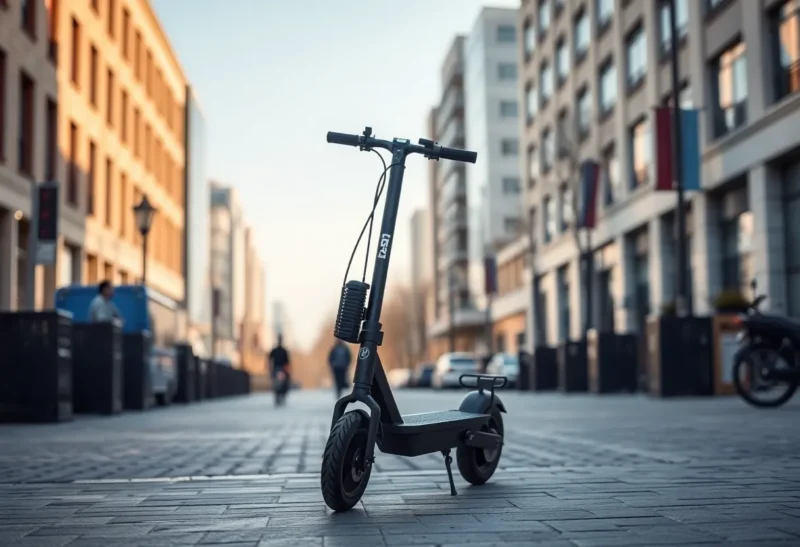
An electric kick scooter can look like a no-brainer for short commutes: buy once, charge at home, skip traffic and parking. But the sticker price is only part of the story. Batteries age, tires wear, and repairs can add up. Before you commit to a scooter as your daily ride, it helps to add up the real cost of ownership—purchase, electricity, maintenance, replacement parts, and the day you’ll need to replace the whole thing.
Upfront Cost and What You Get
Decent commuter scooters start around $400–600 and run well into the thousands for higher range, suspension, and build quality. Cheap models often have weaker batteries, no water resistance, and components that fail quickly. For daily use, plan on at least $500–800 for something that will last more than a year of real commuting. You’re paying for battery capacity (which dictates range and longevity), motor power, and build—not just top speed.
Range claims are optimistic. A scooter rated for 25 miles might deliver 15–18 in real use—hills, cold weather, and your weight all cut into it. If your commute is 5 miles each way, that’s fine; if it’s 10, you’ll be cutting it close and may need to charge at work. Factor that into your choice.
Electricity and Charging
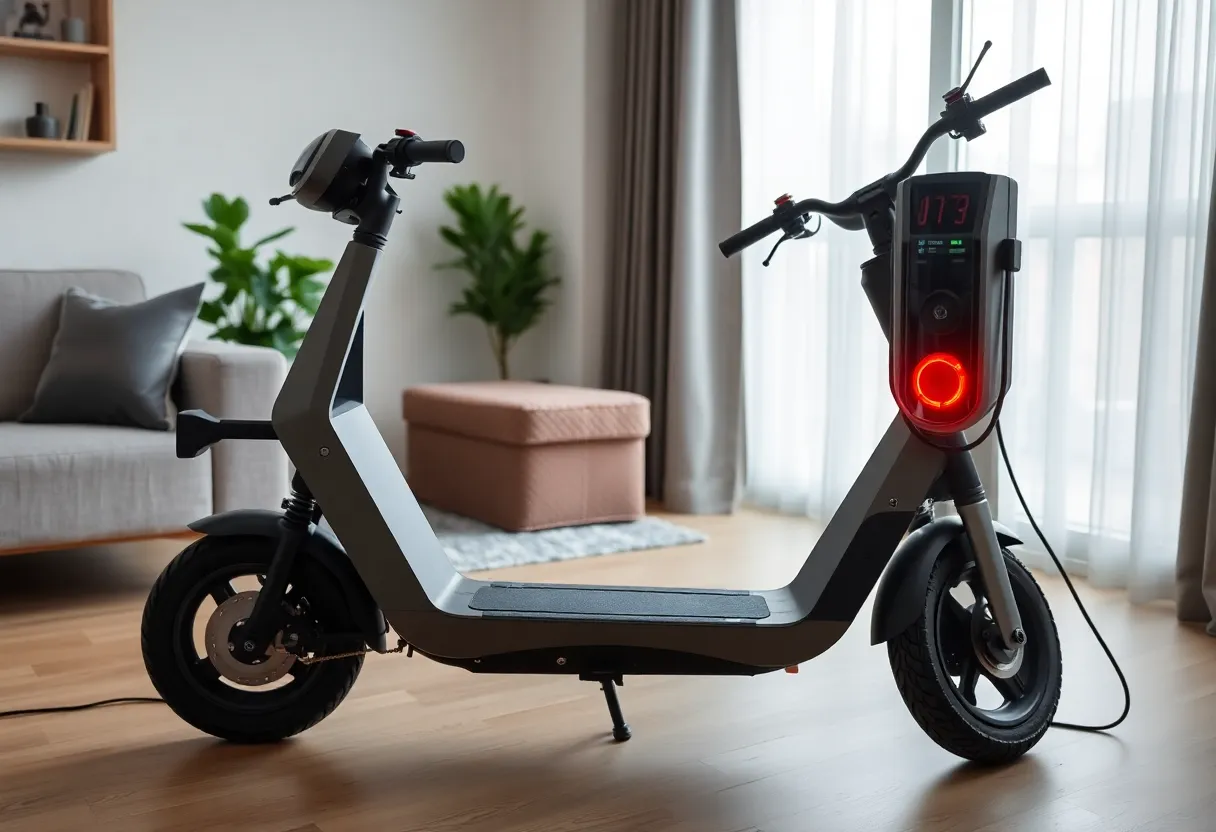
Charging is cheap. A typical scooter battery is 300–500 Wh; even at high electricity rates, a full charge might cost a few cents. Over a year of daily commuting, you’re looking at tens of dollars, not hundreds. The real cost of “fuel” is negligible compared to a car or even public transit in many cities. The catch is convenience: you need a place to park and plug in at home (and maybe at work if you’re pushing range).
Maintenance and Repairs
Tires are the most frequent consumable. Solid tires last longer but ride harder; pneumatics are more comfortable but puncture and wear. Expect to replace tires every 1,000–3,000 miles depending on type and terrain. Brake pads (if your scooter has them) and brake discs also wear. Some models use tubeless or proprietary tires that are expensive or hard to find—check availability before you buy.
Batteries degrade. After a few hundred charge cycles, capacity drops; after several years, you may be down to half the original range. Replacement batteries can cost $150–400 or more, and not every manufacturer sells them indefinitely. If you’re planning to keep the scooter for five years, factor in a battery replacement or accept reduced range.
Other Hidden Costs
Locks, helmets, and rain gear add up. So does insurance if you want coverage for theft or damage—scooters are easy to steal. Some cities require registration or have rules about where you can ride and park. Fines and impound fees are a cost too if you run afoul of local rules. And if you ever need to take it on transit or in a car, consider whether it folds and how heavy it is; portability has a value.
Storage matters too. If you can’t bring the scooter inside at home or work, you need a secure place to lock it. Outdoor charging isn’t always practical, and leaving a scooter outside in rain or cold can accelerate wear. Factor in whether you have a garage, a secure bike room, or an office that allows scooters inside. The real cost of ownership includes having a place to keep the thing.
When It Pencils Out
Compared to car ownership, a scooter is a fraction of the cost. Compared to ride-share or daily transit passes, it can break even in a few months if you use it most days. The math depends on your alternatives. If you’d otherwise take the bus for $100/month, a $600 scooter pays for itself in half a year—before you count maintenance. If you’d bike for free, the scooter is a convenience premium. Either way, the real cost of owning an electric scooter is more than the sticker price but still low enough that, for many urban commuters, it’s a rational choice—as long as you budget for tires, battery decline, and the eventual replacement.
The Bottom Line
Electric scooters are cheap to run but not free to own. Plan for tires, brakes, and a battery replacement over the scooter’s life. Buy something robust enough for daily use, and the real cost of commuting can still be far lower than a car or repeated ride-shares—just don’t let the upfront price fool you into forgetting the rest.