Neural Implants: What’s Actually in Human Trials in 2026

Zara Nader
March 7, 2026

Neural implants have moved from sci-fi to human trials. Neuralink has placed devices in patients. Synchron has enrolled participants in its stentrode study. Precision Neuroscience is testing its flexible electrode array. The hype is real—but so is the gap between what’s being tested and what headlines suggest.
Here’s what’s actually in human trials in 2026: who’s doing what, who the patients are, and what “success” looks like in practice. The picture is more grounded than the marketing—and in some ways more impressive, because it’s real.
Neuralink: The High-Profile Leader
Neuralink has received the most attention. Its N1 implant—a coin-sized device with over 1,000 electrodes—is designed to be placed in the motor cortex by a custom surgical robot. The first human implant was announced in early 2024; more have followed. The initial target: people with quadriplegia, using the device to control a cursor or type with their thoughts.
The trials are early. We’re not talking about seamless mind-control—we’re talking about learning to modulate brain signals to move a cursor on a screen. That’s still a huge deal for someone who can’t use their hands. But it’s iterative: patients train over weeks and months to improve control. The experience is closer to learning a new interface than to “reading thoughts.”
Neuralink has also faced scrutiny: the FDA initially rejected its human trial application over safety concerns, and there have been reports of complications in animal studies. The company has addressed some issues and moved forward—but the path from “works in a lab” to “widely available” remains long.
Synchron: The Stentrode Approach
Synchron takes a different path: instead of open-brain surgery, it threads a stent-like electrode array through blood vessels into the brain. The “stentrode” reaches the motor cortex without cutting through skull or tissue. That’s less invasive—and potentially safer—than Neuralink’s approach.
Synchron has been running human trials in Australia and the US. Patients with paralysis have used the device to control computers—clicking, typing, texting. The bandwidth is lower than Neuralink’s electrode count, but the surgical risk is lower. For many patients, that trade-off matters. Synchron is also pursuing FDA approval for broader use.
Precision Neuroscience: The Flexible Array
Precision Neuroscience is testing a thin, flexible electrode array that sits on the surface of the brain—”like cellophane,” as the company describes it. The approach avoids penetrating tissue, which could reduce scarring and extend the device’s lifespan. Precision has run human trials during brain surgery (when the skull is already open for other procedures) and is working toward a standalone implant.
Surface electrodes typically capture less detail than penetrating arrays—you’re recording from outside the cortex, not inside it. But they may be more stable over time. The field is still figuring out the right balance of invasiveness, signal quality, and longevity.
Who Gets These Implants—And Why
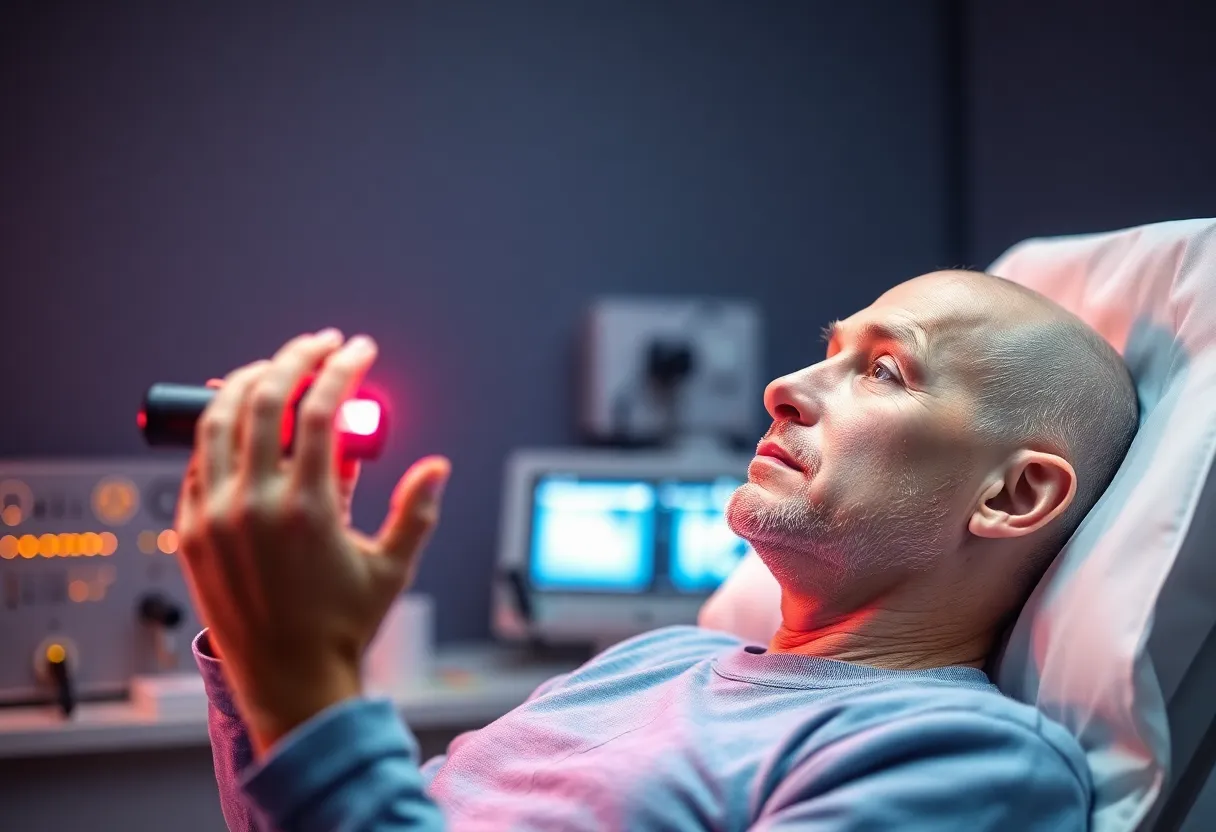
Current trials focus on people with severe motor impairment: quadriplegia, ALS, stroke. The rationale is clear. If you can’t move your arms or speak, a brain-computer interface that lets you control a cursor or type could restore agency. The medical need is urgent, and the risk-benefit calculation favors experimentation.
Healthy people aren’t in these trials. The devices are experimental; the surgery carries risk. The FDA and ethics boards are rightly cautious. Consumer neural implants—for gaming, productivity, or enhancement—are years away, if they ever arrive. The path runs through medical applications first.
What “Success” Looks Like Today
Success in current trials means: a patient learns to control a cursor or type at a useful rate. Maybe they can text a loved one for the first time in years. Maybe they can browse the web, send email, or operate smart home devices. That’s life-changing—but it’s not “read your thoughts” or “download skills.” The technology is narrow and task-specific.
Researchers are also working on restoring sensation—sending signals from prosthetics back to the brain—and on speech decoding for people who’ve lost the ability to talk. Those trials are advancing, but they’re still early. The field is moving fast, but it’s moving in focused steps.
The Bottom Line
Neural implants are in human trials. Neuralink, Synchron, Precision Neuroscience, and others are enrolling patients and collecting data. The applications are medical first—restoring communication and control for people with paralysis. The experience is less glamorous than headlines suggest: lots of training, iterative improvement, and narrow use cases. But it’s real progress.
Regulation and Ethics
The FDA and similar bodies treat neural implants as high-risk devices—and rightly so. Brain surgery is serious. The long-term effects of electrodes in tissue (or on vessels) aren’t fully known. Trials move slowly by design. Companies must demonstrate safety and efficacy before broader approval.
The ethics questions are real. Who decides who gets an implant? What happens if a device fails or a company goes under? What about data privacy—brain signals are intimate. These questions are being debated now, not after deployment. That’s a good thing.
It’s worth watching—not for sci-fi fantasies, but for the people whose lives could change.